
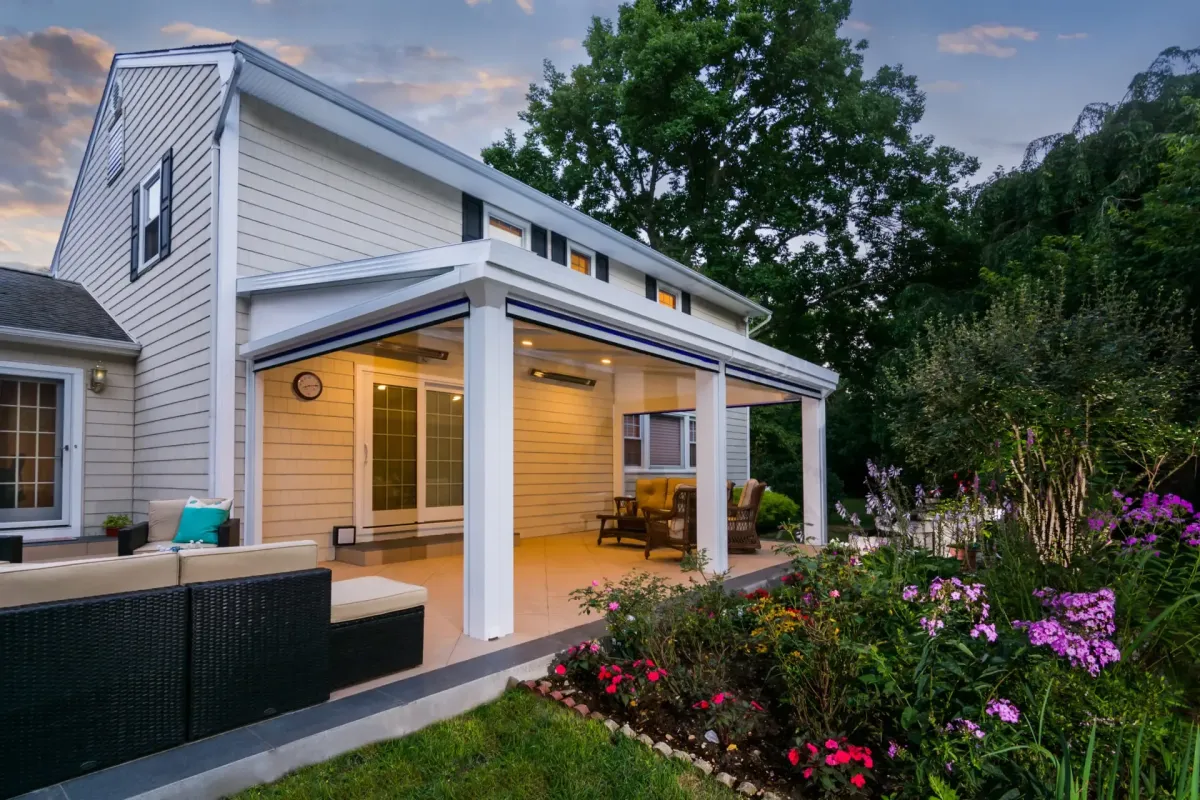
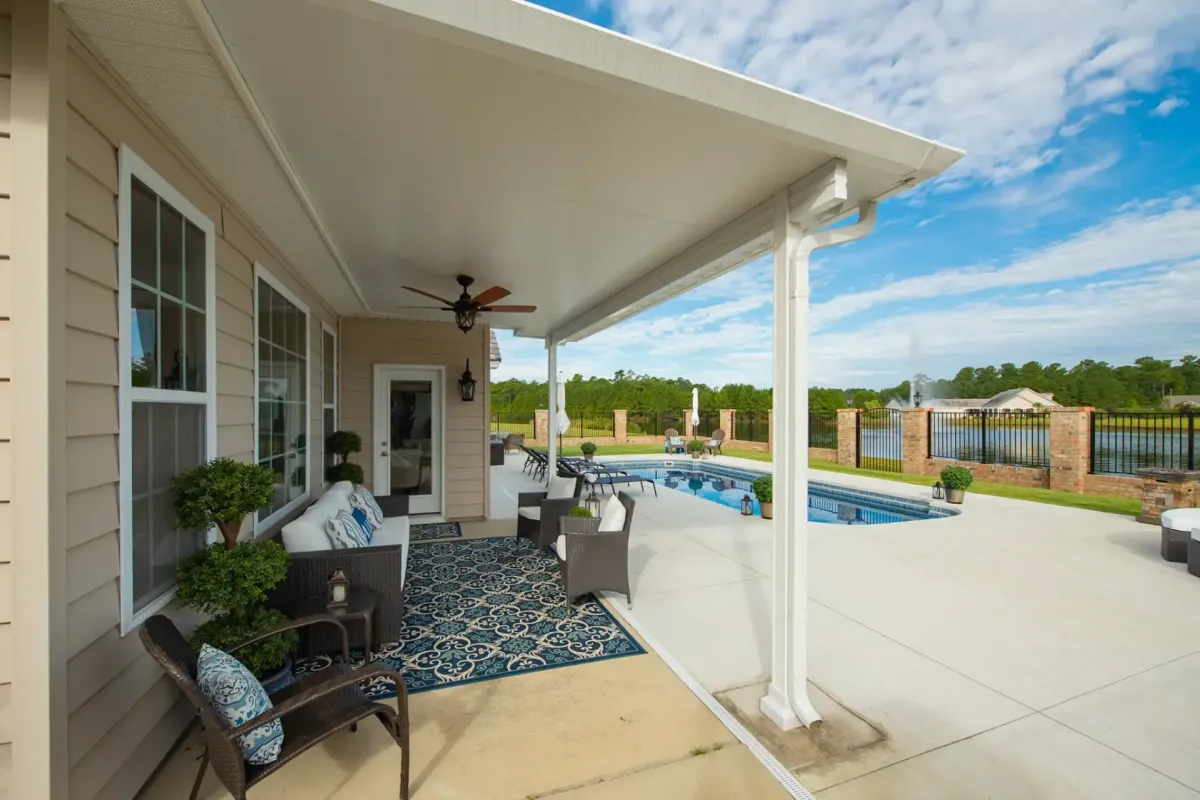
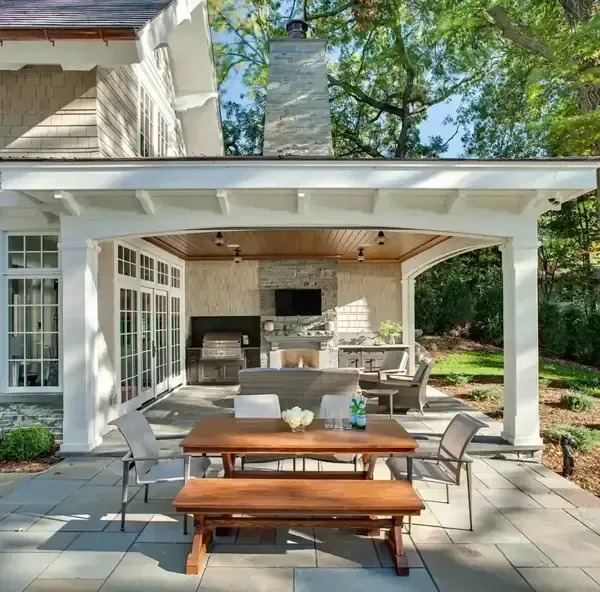
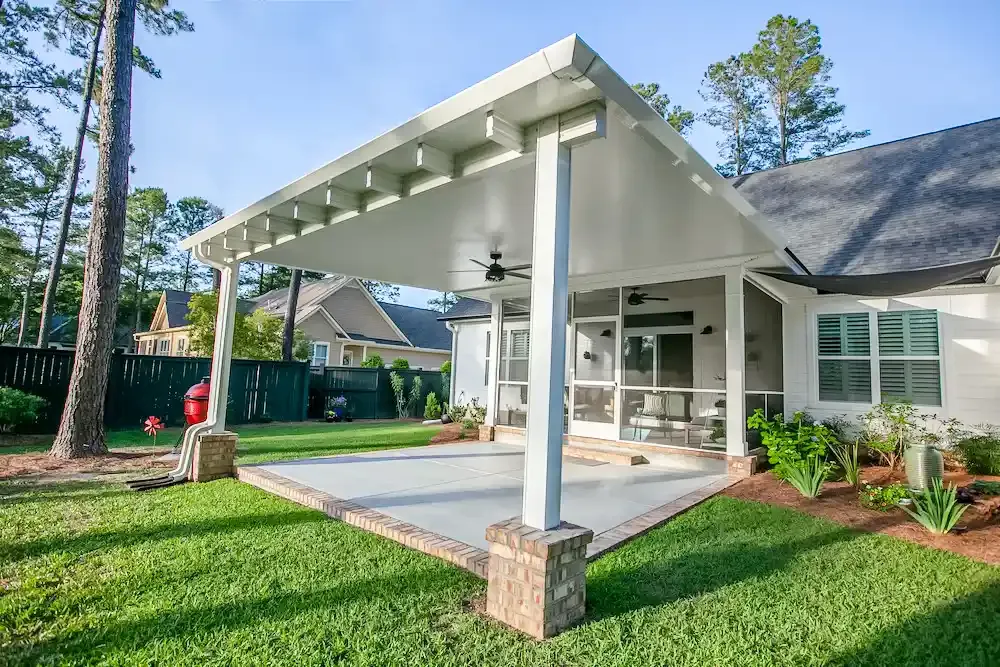
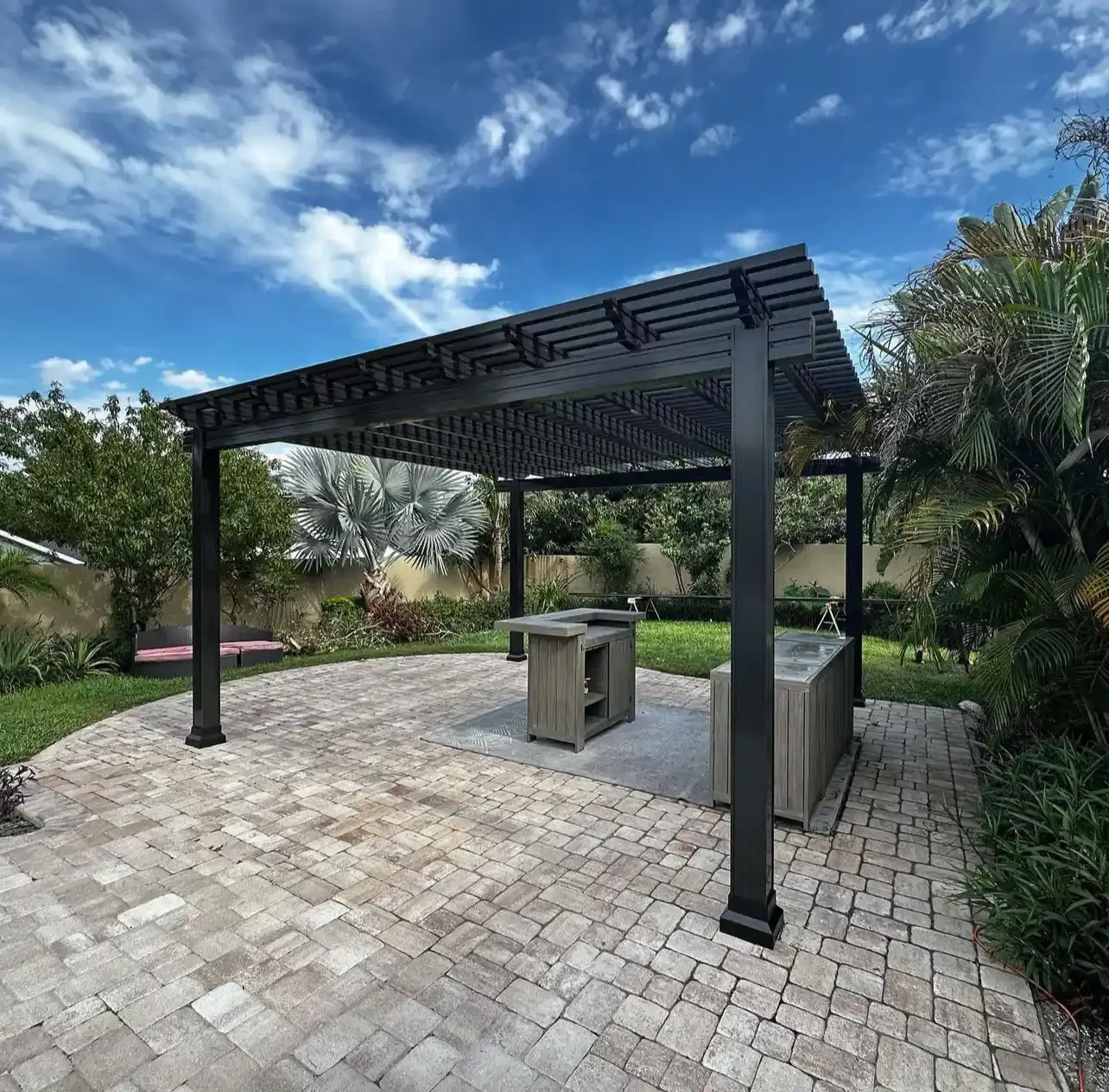
Aluminum vs Insulated Patio Covers: What Texas Homeowners Should Know About Benefits and Costs.
Picking the right patio cover makes a big difference for Texas homes — it affects comfort, energy use, and how much you’ll enjoy your outdoor space. Below we compare the perks and costs of aluminum and insulated patio covers so you can choose what fits your needs. Aluminum patio covers are prized for durability and low upkeep, while insulated covers add real thermal protection for better year-round comfort. In Texas, where heat and sun matter, those differences can impact both outdoor living and indoor energy bills. The sections below break down features, typical costs, and how to choose.
What Are the Key Features and Benefits of Aluminum Patio Covers?
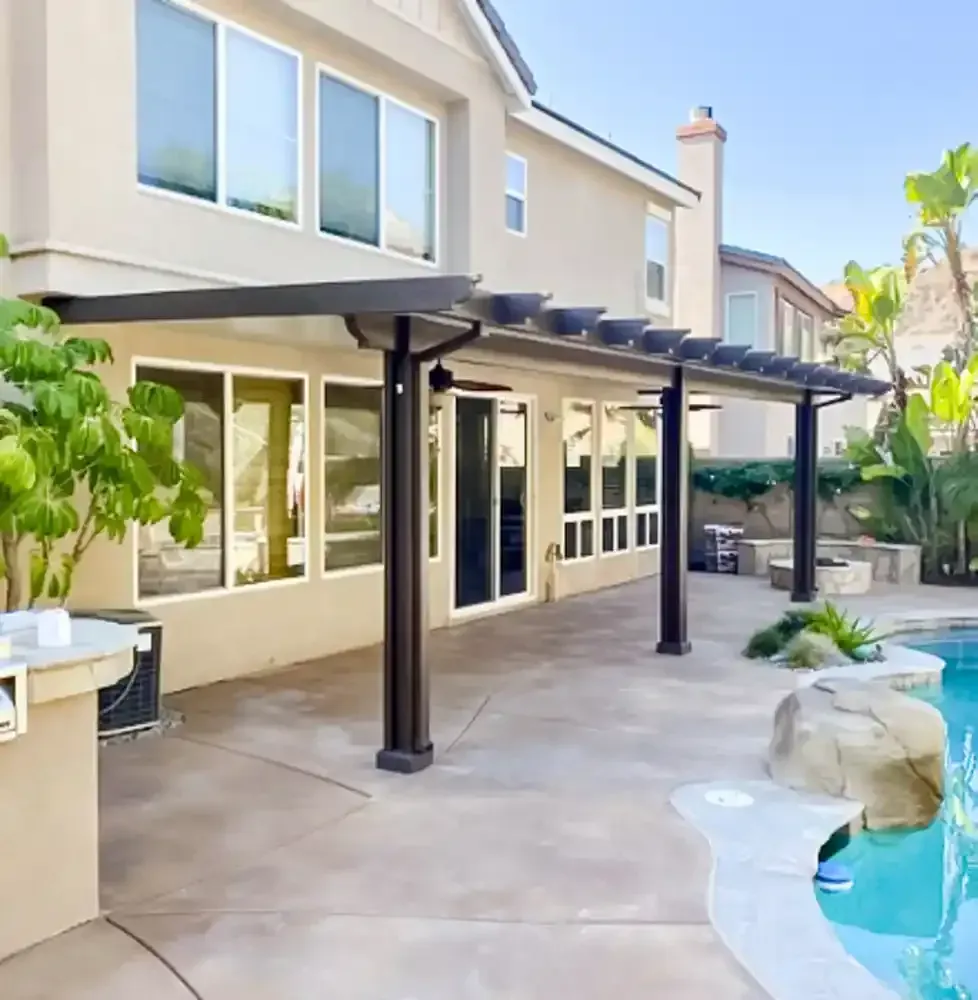
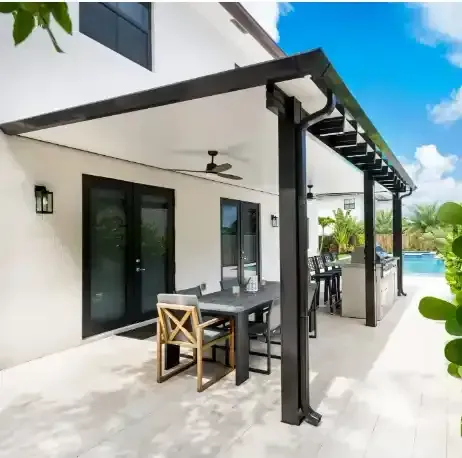
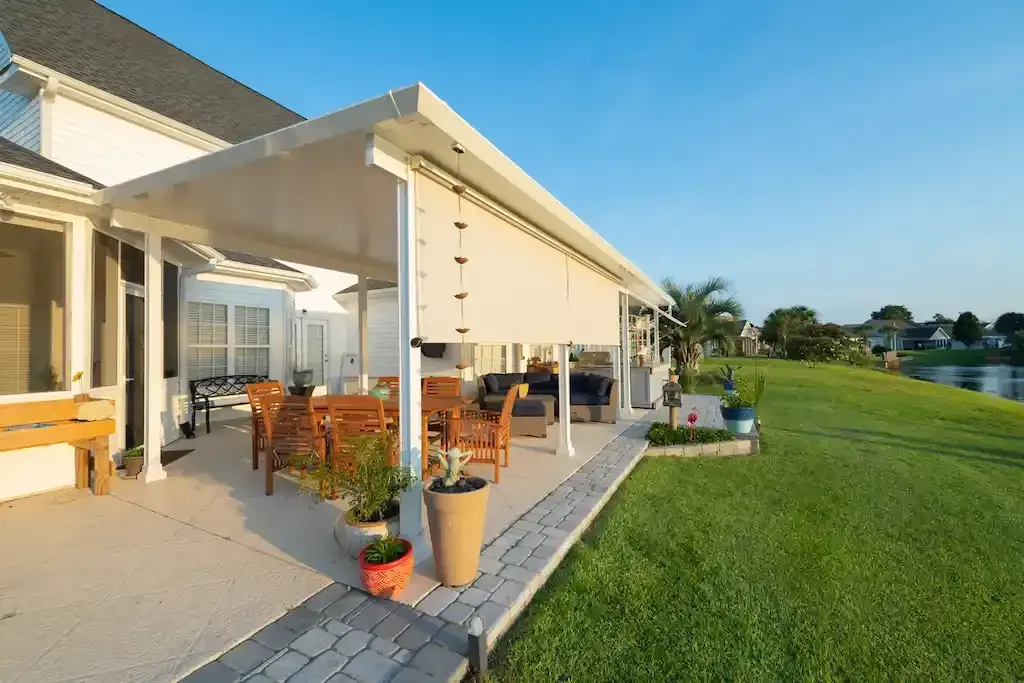
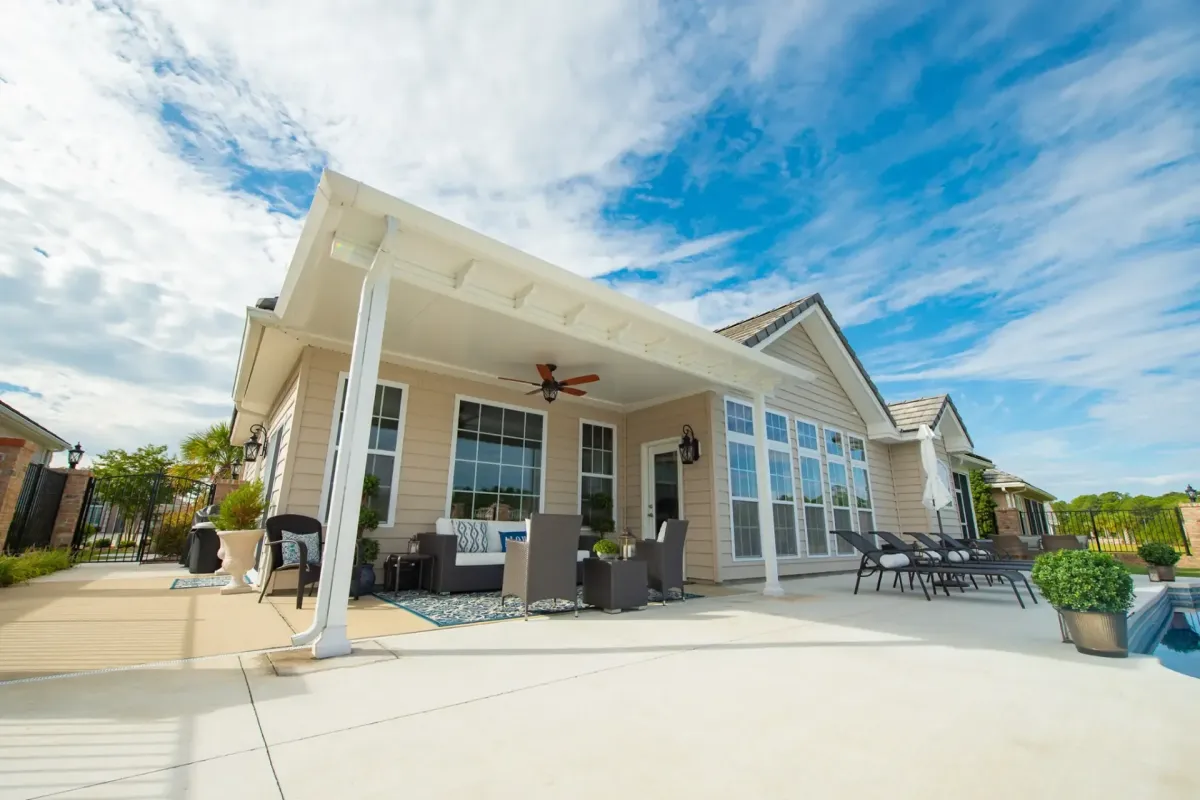
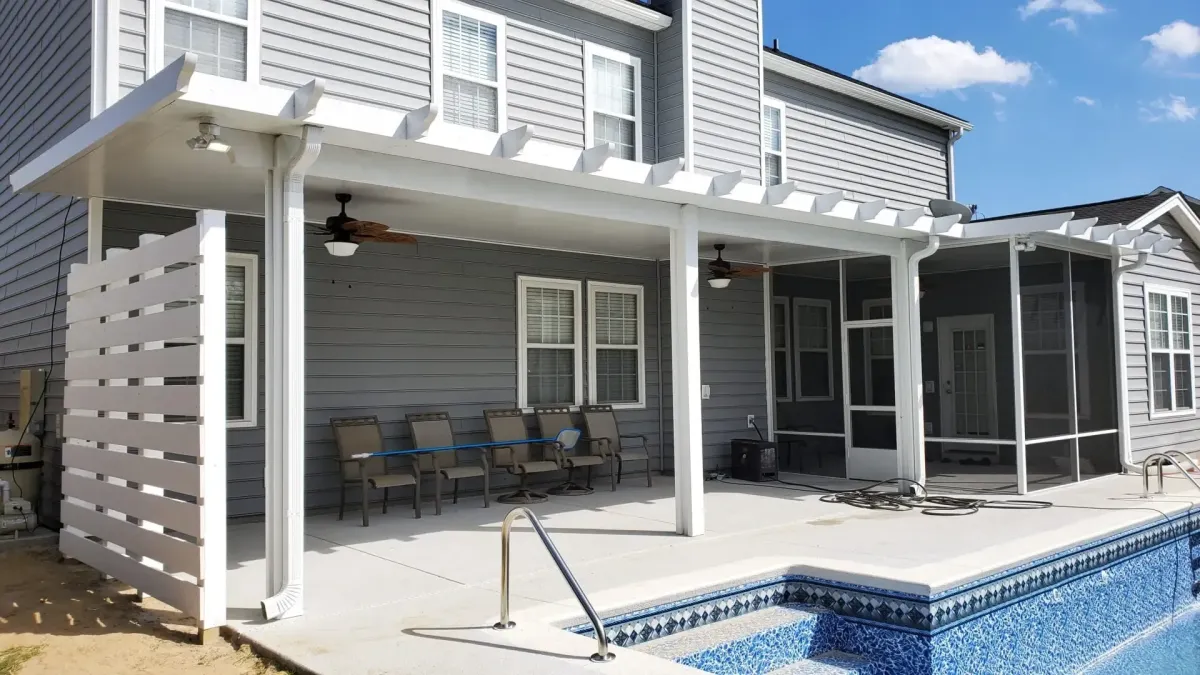
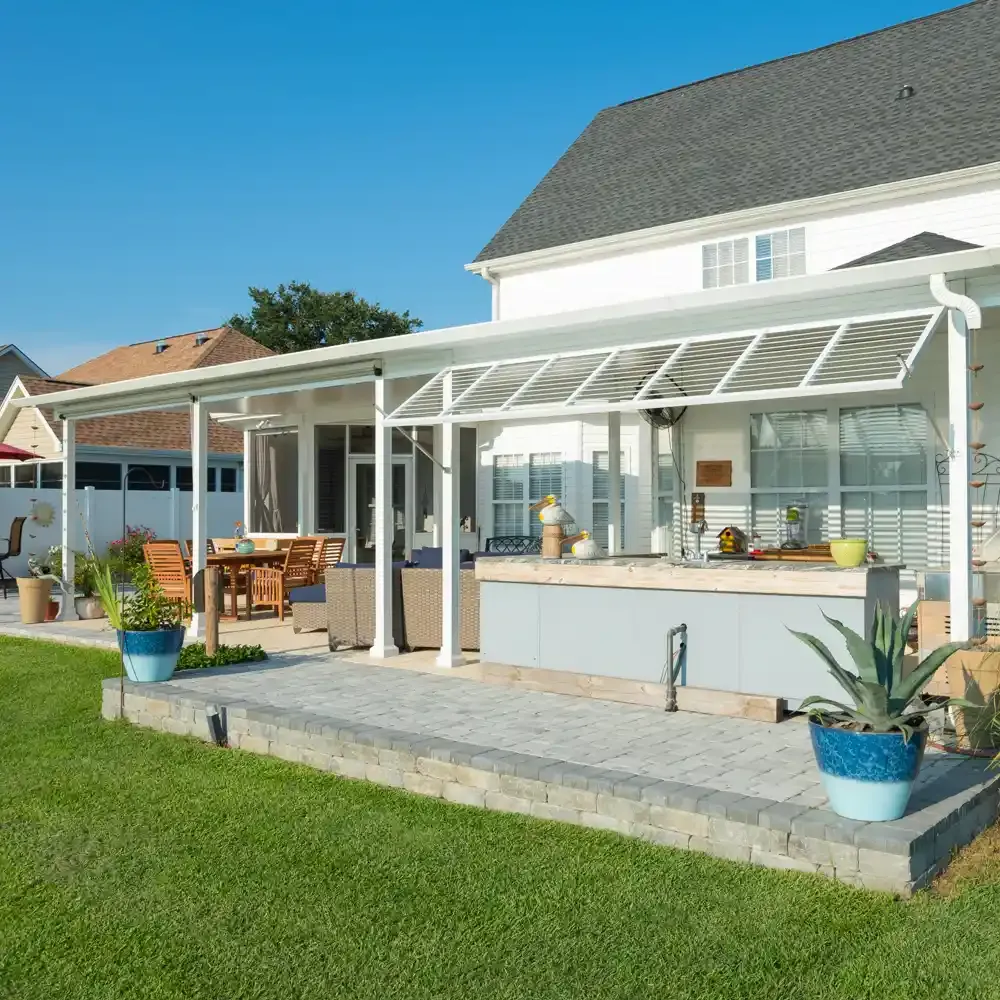
Aluminum patio covers give long-lasting, attractive protection for your patio. Made from rust- and corrosion-resistant aluminum, they hold up well in Texas weather and need little maintenance — no regular painting or staining required.
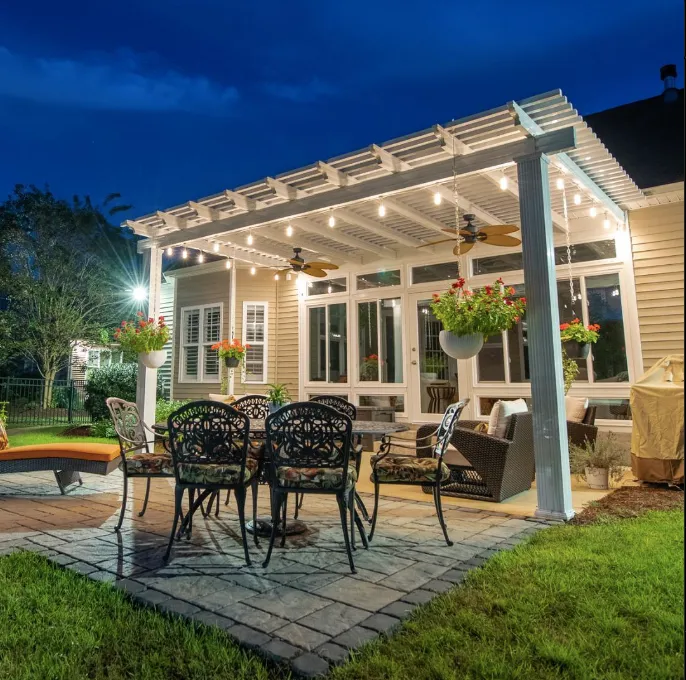
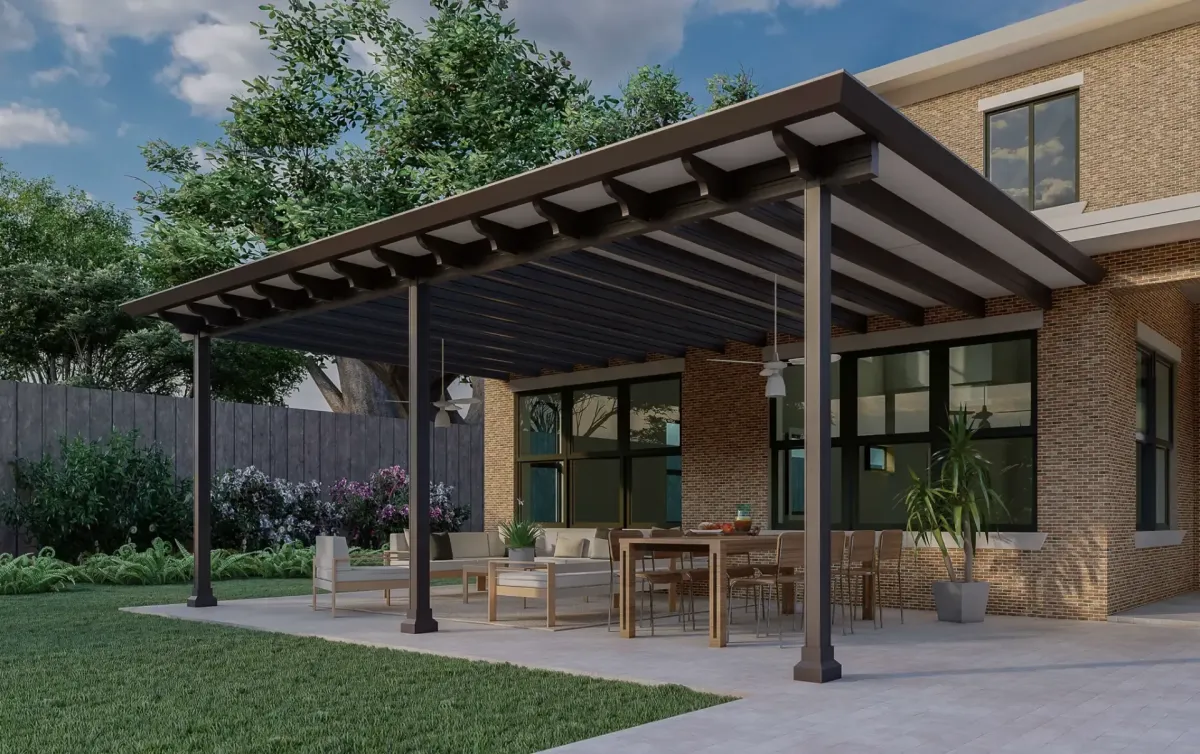
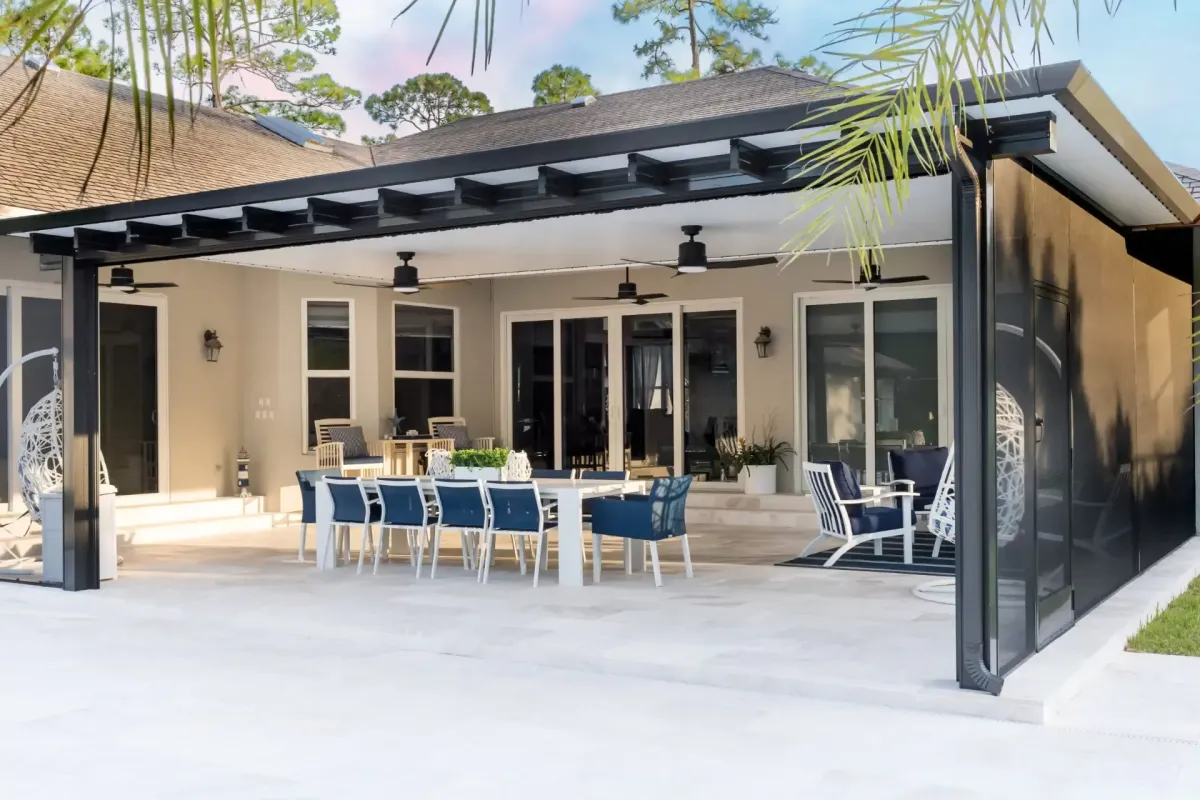
You’ll find aluminum covers in many styles and colors to match your home’s look, and they can help boost curb appeal. They also offer dependable sun protection, so your patio stays usable even during the hottest part of the day.
How Do Insulated Patio Covers Enhance Energy Efficiency and Comfort?
Insulated patio covers use a foam-core or layered construction to slow heat transfer and stabilize temperatures. That helps keep the covered area cooler in summer and warmer in winter.
Because insulated covers reduce how much heat enters or leaves adjacent rooms, they can lower indoor temperature swings and produce measurable energy savings. They also make outdoor gatherings more comfortable by limiting extreme temperatures on the patio.
What Are the Cost Differences Between Aluminum and Insulated Patio Covers in Texas?
Budget is a major factor for many homeowners. Aluminum patio covers typically cost less up front, often running about $20 to $30 per square foot depending on the design and installation. Insulated patio covers generally fall in the $40 to $60 per square foot range because of their more complex materials and construction.
Final cost will depend on the size of your patio, the materials you choose, and any installation specifics. While insulated covers have a higher initial price, their energy performance can lead to long-term savings that offset the extra cost over time.
Patio Cover Type
Average Cost per Square Foot
Key Features
Aluminum
$20 - $30
Durable, low maintenance, customizable
Insulated
$40 - $60
Energy-efficient, temperature regulation, enhanced comfort
This side-by-side view highlights the trade-offs between a smaller upfront investment and potential long-term benefits, helping you pick the option that best fits your priorities.
How Can Texas Homeowners Choose the Best Patio Cover for Their Outdoor Living Space?
To choose the right cover, weigh a few key factors so the result fits your lifestyle and complements your home. Consider these criteria:
- Style and Design: Think about how the cover will look with your home's architecture. Aluminum tends to suit modern, sleek designs, while insulated options can be finished to match more traditional styles.
- Material Durability: Consider long-term performance. Aluminum resists rust and needs minimal upkeep, while insulated covers add comfort by improving thermal performance.
- Functionality and Budget: Match your intended use to your budget. If you entertain often or want year-round outdoor comfort, an insulated cover may be worth the extra investment.
Balancing these factors will help you choose a patio cover that improves outdoor living for your household. For tailored recommendations and accurate project estimates, consult experienced outdoor living professionals.
Express Sunrooms is a Texas-based provider of outdoor living solutions, specializing in patio covers, sunrooms, and related products. Our team can help with product selection and installation guidance so you get the most from your outdoor space.
Frequently Asked Questions
1. What are the environmental impacts of aluminum and insulated patio covers?
Both options have environmental trade-offs. Aluminum is recyclable and cuts down on waste, but producing it is energy-intensive. Insulated covers often use foam cores that can be harder to recycle. When evaluating impact, look at the full lifecycle and recyclability of the materials you choose.
2. How do patio covers affect outdoor temperature regulation?
Patio covers change temperature mainly through shade and, for insulated options, added thermal resistance. Aluminum covers reduce solar gain by blocking sun, while insulated covers slow heat transfer, helping keep the patio cooler in summer and warmer in winter.
3. What is the lifespan of aluminum versus insulated patio covers?
Life expectancy depends on material quality and installation. Aluminum covers often last 20 years or more with little maintenance. Insulated covers commonly last around 15 to 25 years, depending on materials and installation quality. Regular inspections and upkeep will extend service life for both types.
4. Can I customize the color and style of my patio cover?
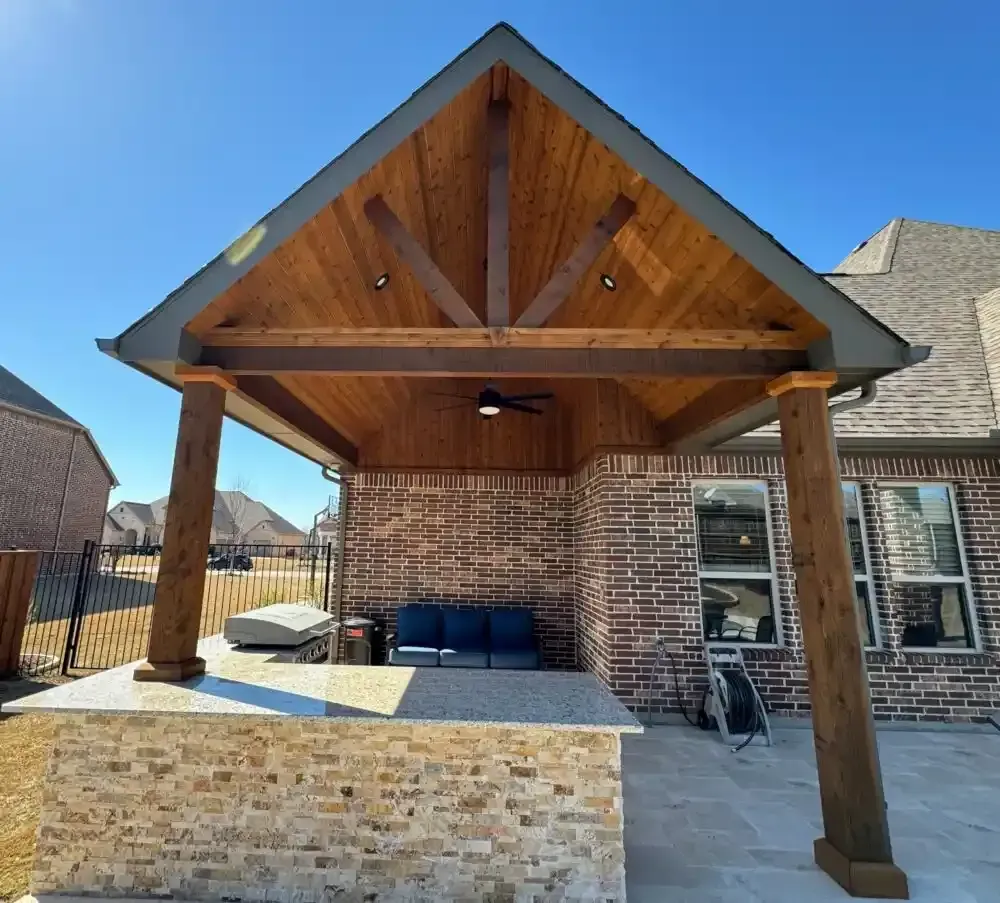
Yes. Aluminum covers are available in a wide range of finishes to match your exterior. Insulated covers can be made to resemble wood or other styles. You can also add features like lighting or fans to meet both aesthetic and functional needs.
5. What are the best practices for cleaning and maintaining patio covers?
Routine cleaning preserves looks and performance. For aluminum, soap and water usually remove dirt and debris. Insulated covers may need more frequent cleaning if textured. Check both types regularly for damage and keep gutters and drainage clear to prevent water buildup.
6. How do patio covers impact outdoor lighting options?
Patio covers expand lighting choices — you can add overhead fixtures, pendants, or ceiling fans with lights. Insulated covers can provide better protection for wiring, and choosing LED or solar fixtures helps keep your lighting plan energy-efficient.
7. Are there any warranties available for patio covers?
Manufacturers typically offer warranties for both aluminum and insulated patio covers, with terms varying by brand and product. Aluminum warranties often range from 10 to 30 years. Insulated covers may offer similar protections for material and workmanship defects. Always review warranty details to understand coverage and duration.
Conclusion
Choosing between aluminum and insulated patio covers comes down to balancing durability, maintenance, and thermal performance. Aluminum offers long-term durability and low upkeep, while insulated covers deliver better energy efficiency and year-round comfort. Compare those benefits against cost and how you plan to use the space to find the best fit. For personalized guidance and to explore available options, contact our experts.