
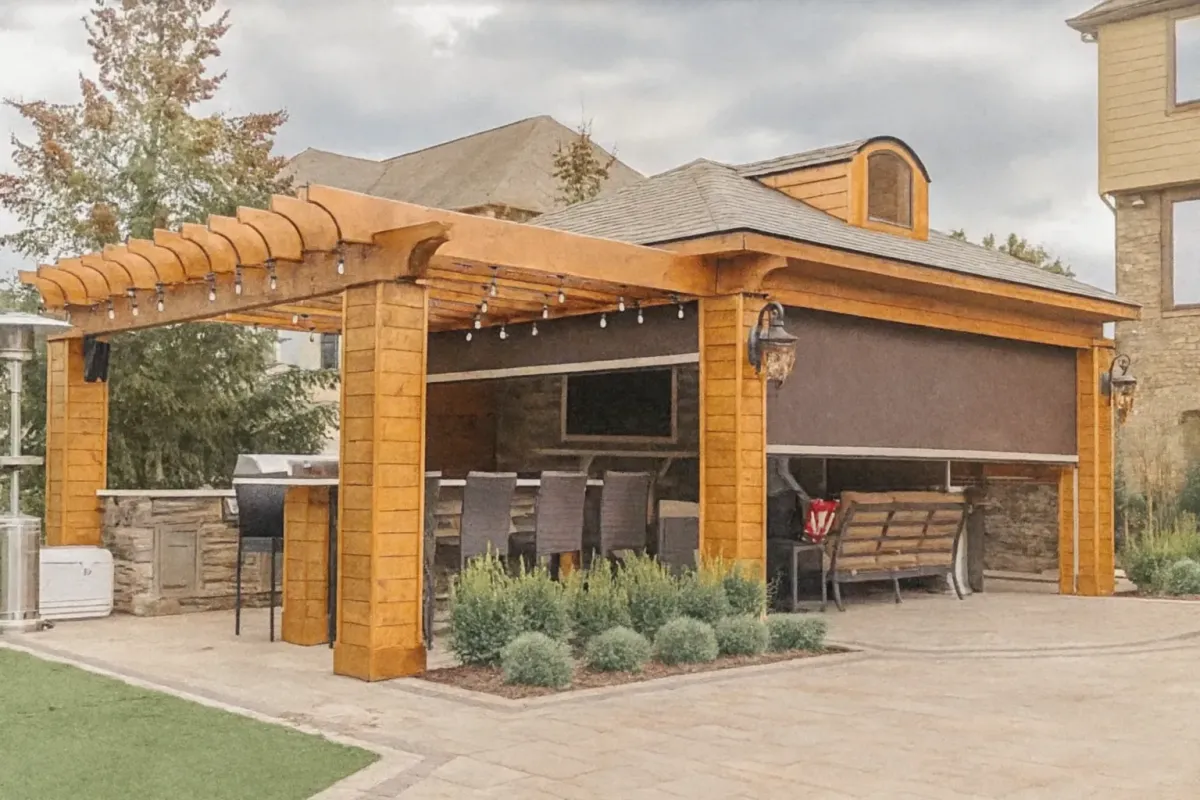
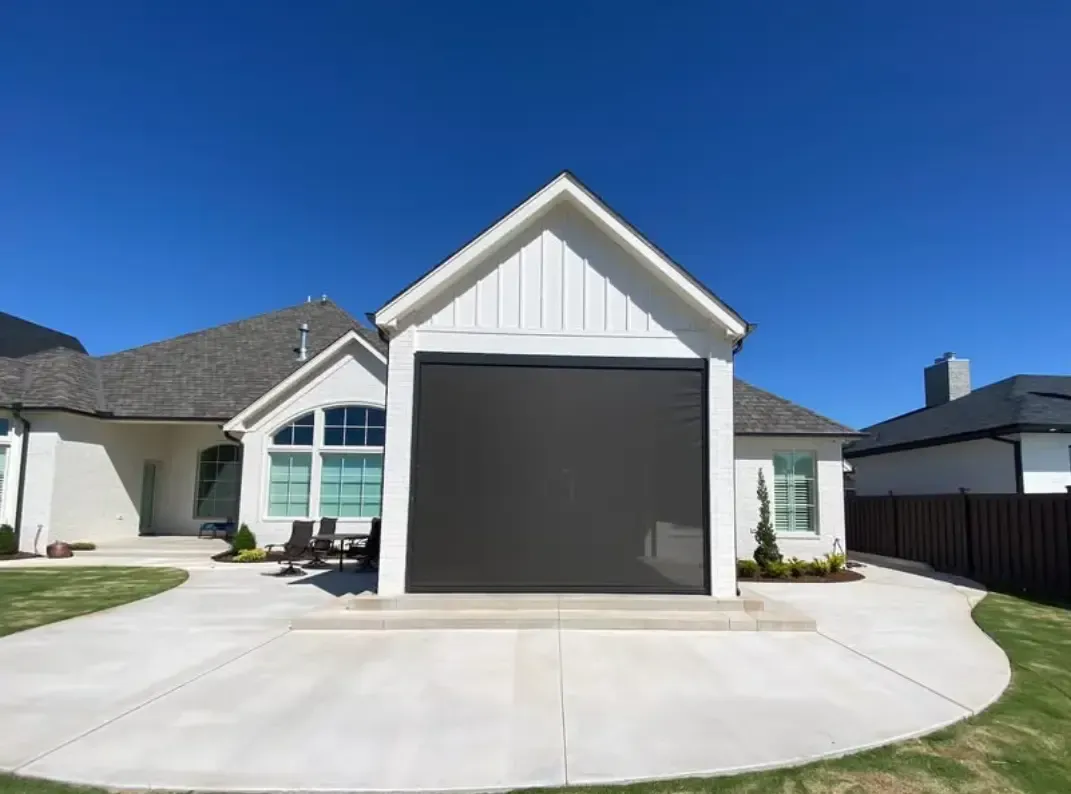
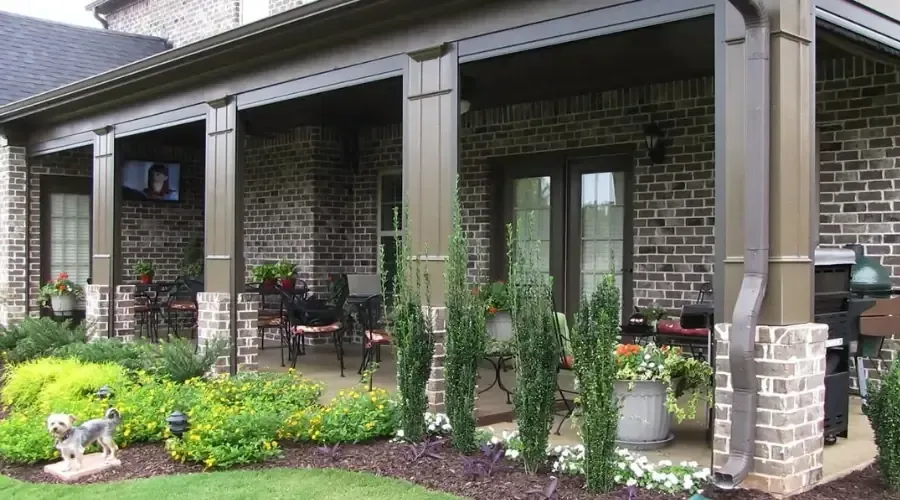
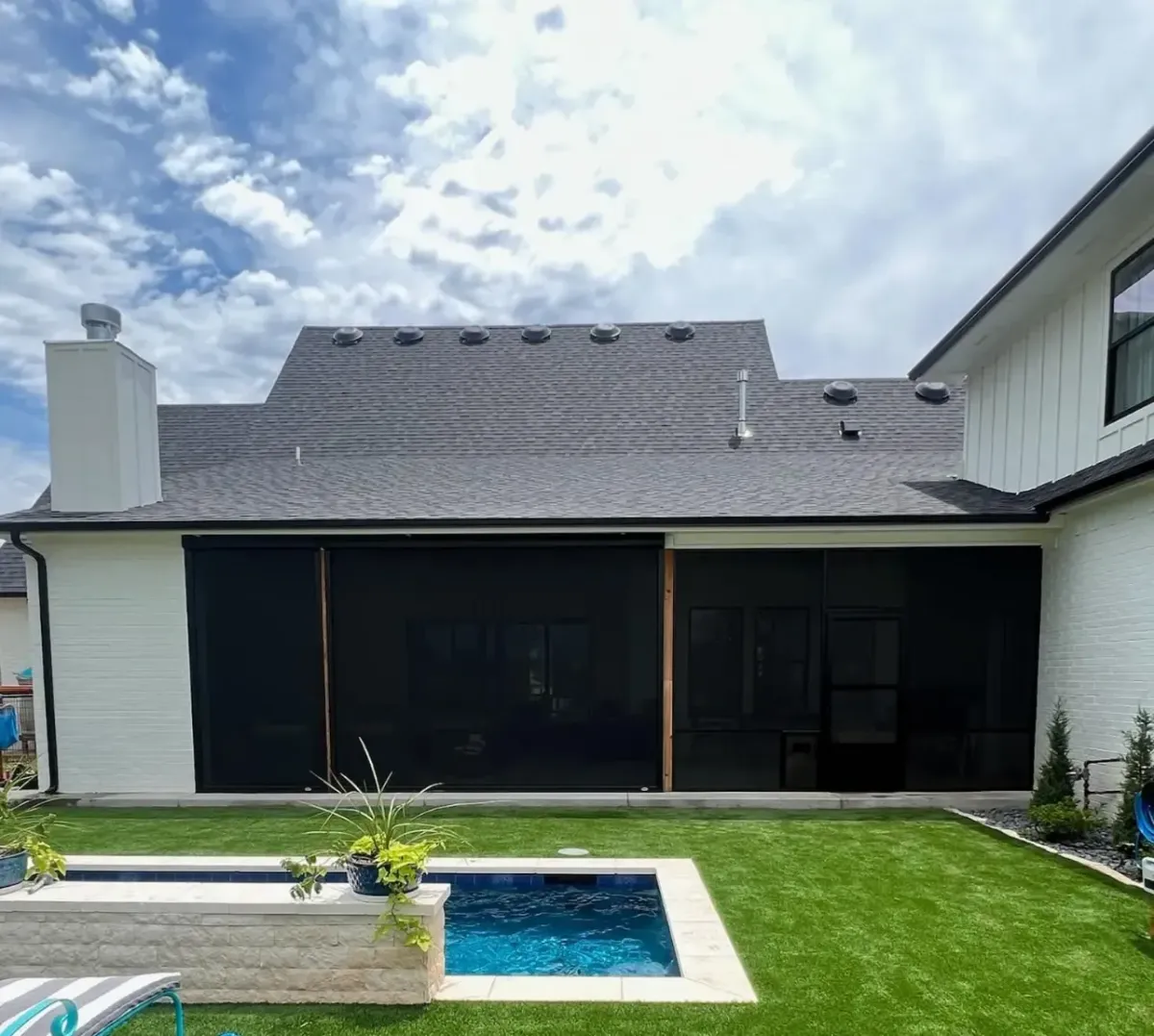
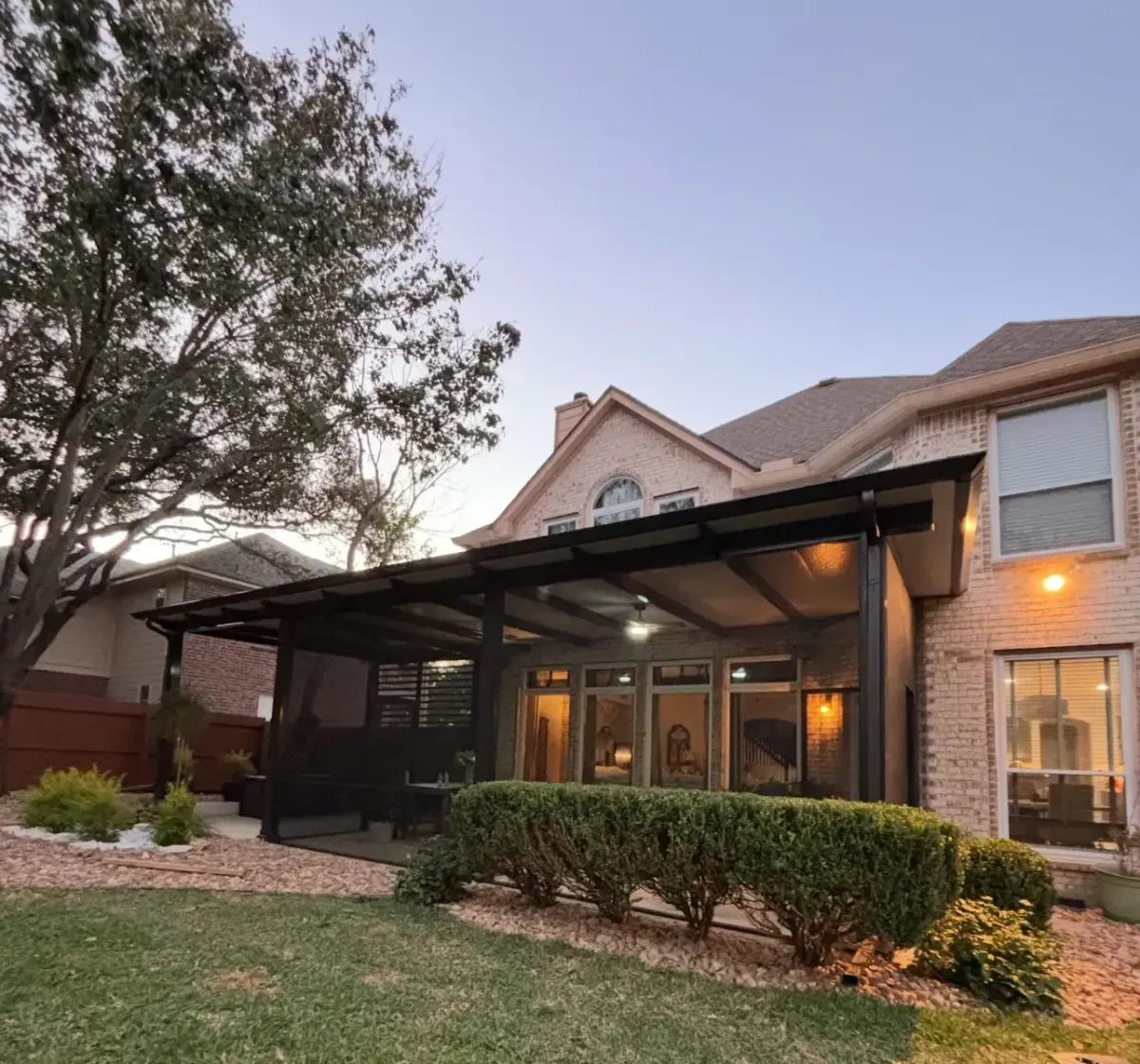
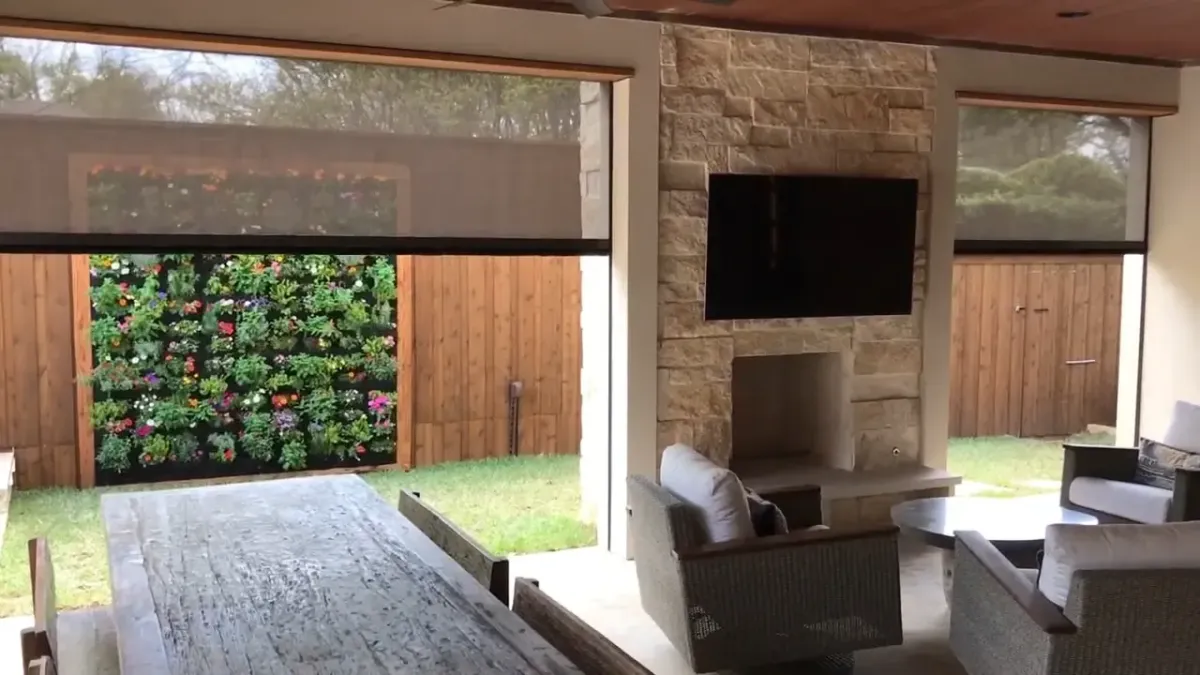
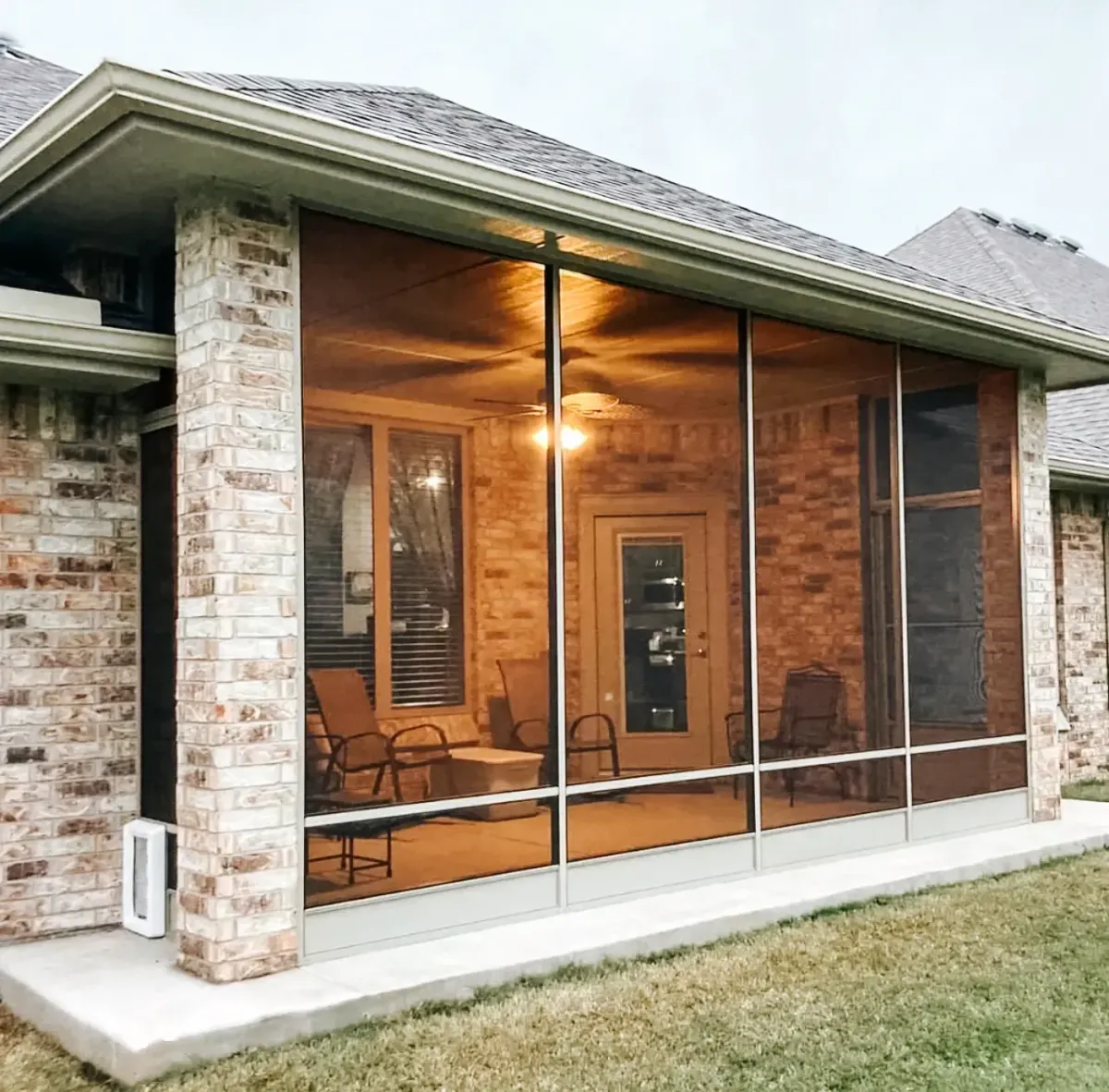
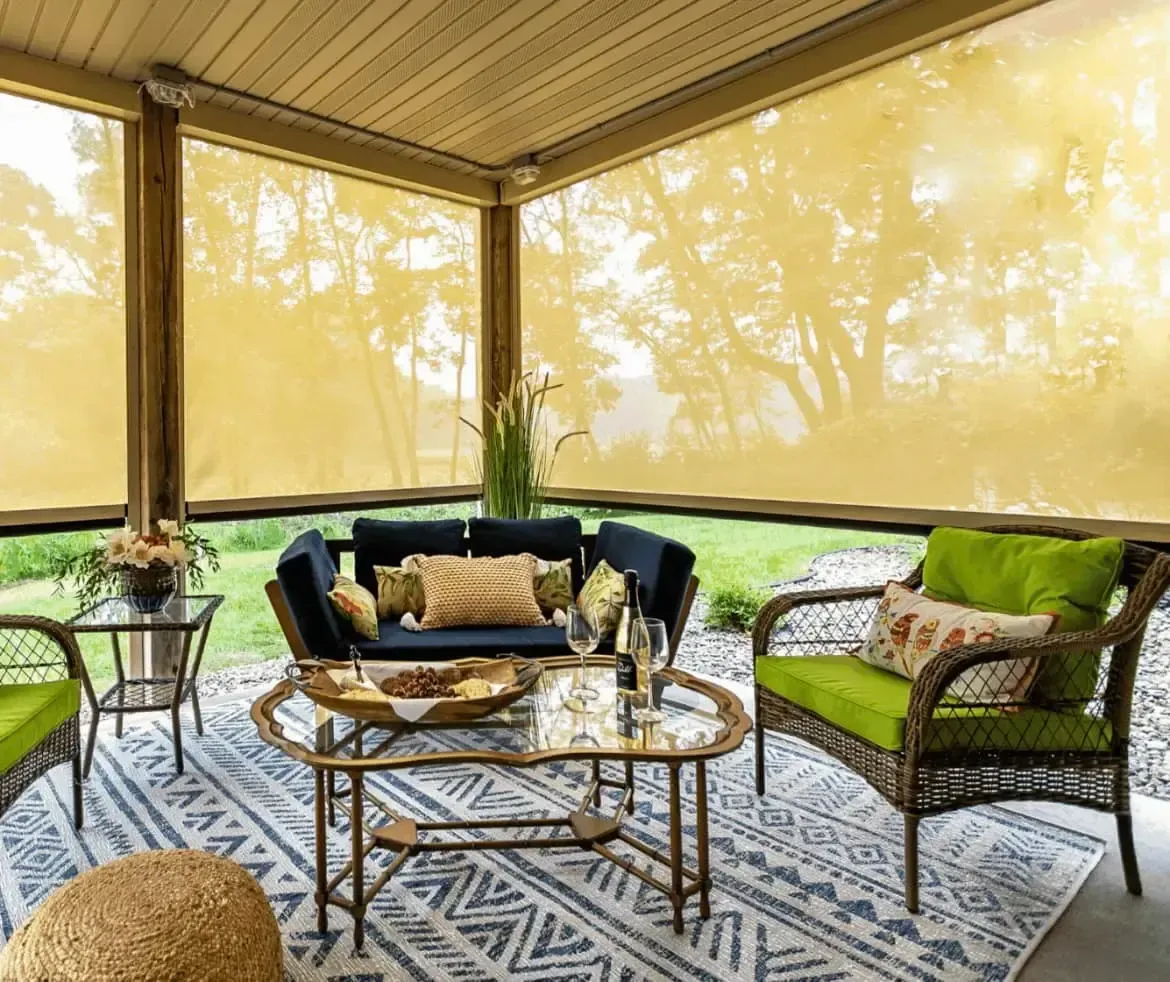
Adding a custom screen room is one of the smartest ways to enjoy your yard year-round. It blends the comfort of the indoors with the fresh feel of outside—without bugs, excessive sun, or sudden showers. This guide walks you through design choices, common materials, benefits, and what to expect during installation here in New Braunfels, TX. Whether you want more usable space, more resale value, or a protected outdoor living area, the right screen enclosure can deliver. We’ll cover how different styles work, what materials hold up best in our climate, and the typical installation steps. Use this guide to form questions for contractors, compare options, and prioritize features that match your lifestyle and budget.
Key Takeaways
- Screen rooms extend your living space and keep insects and weather from interrupting outdoor time.
- Popular designs include full-view, ultra-screen, and motorized options—each with distinct advantages.
- Durable choices such as aluminum frames and vinyl-coated polyester screens are common for long-lasting performance.
- Well-built screen rooms boost usable square footage and can raise your home’s value while protecting outdoor furniture.
- Installation usually follows consultation, design, and construction stages and often completes within 1–3 weeks.
- Financing with low monthly payments is widely available to help make projects affordable.
- Routine cleaning and inspections will keep your screen room functioning and looking great for years.
- New Braunfels’ heat and humidity mean specific upkeep is important to prevent premature wear.
- Complementary products—like sunrooms, patio covers, and pergolas—can expand functionality and style.
These takeaways summarize the main points to remember as you research contractors or begin planning. Keep a short checklist—budget, preferred materials, and must-have features—to speed up consultations and get more accurate quotes.
Design Options

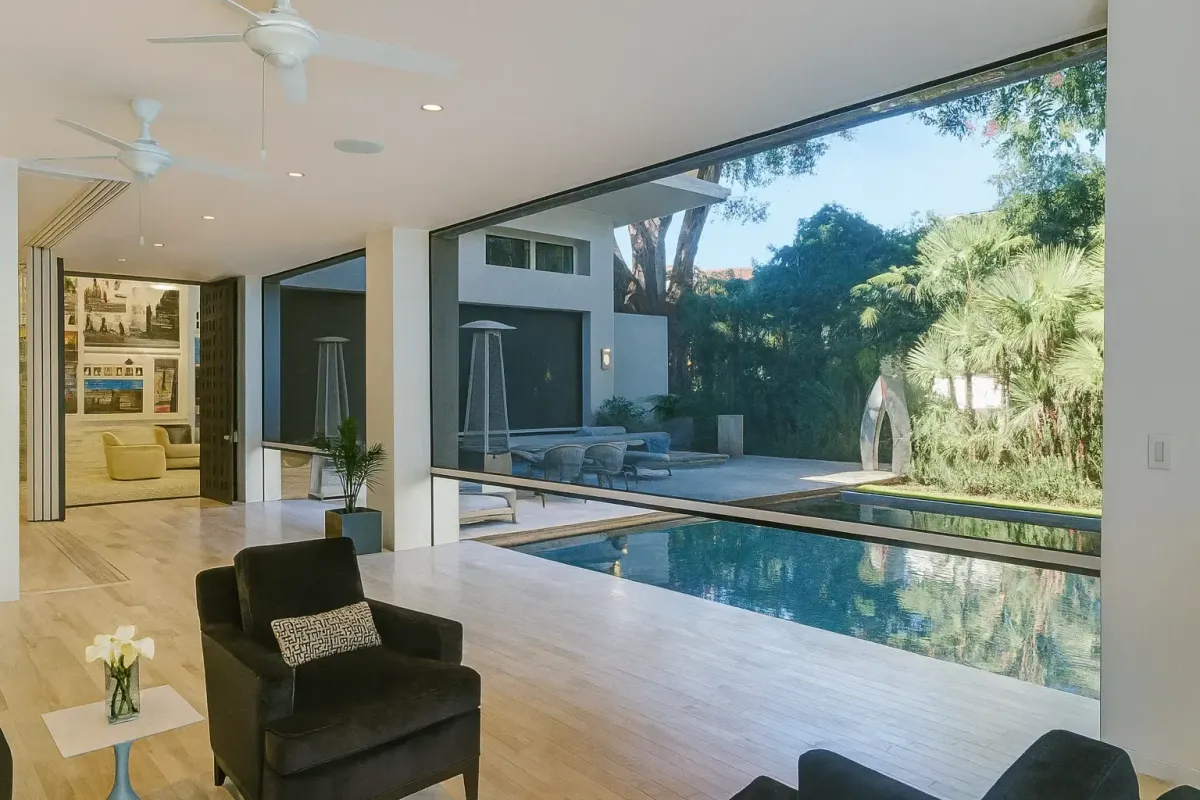
You can tailor a screen room to match your home’s style and how you like to use outdoor space. Common choices include full-view systems for wide-open sightlines, ultra-screen meshes for clearer visibility, and motorized screens for flexible, on-demand coverage. Each option balances airflow, visibility, and insect protection differently. When choosing a design, consider how you plan to use the space—dining, reading, play areas, or multi-use family rooms—and whether you want features like integrated lighting, ceiling fans, or privacy panels.
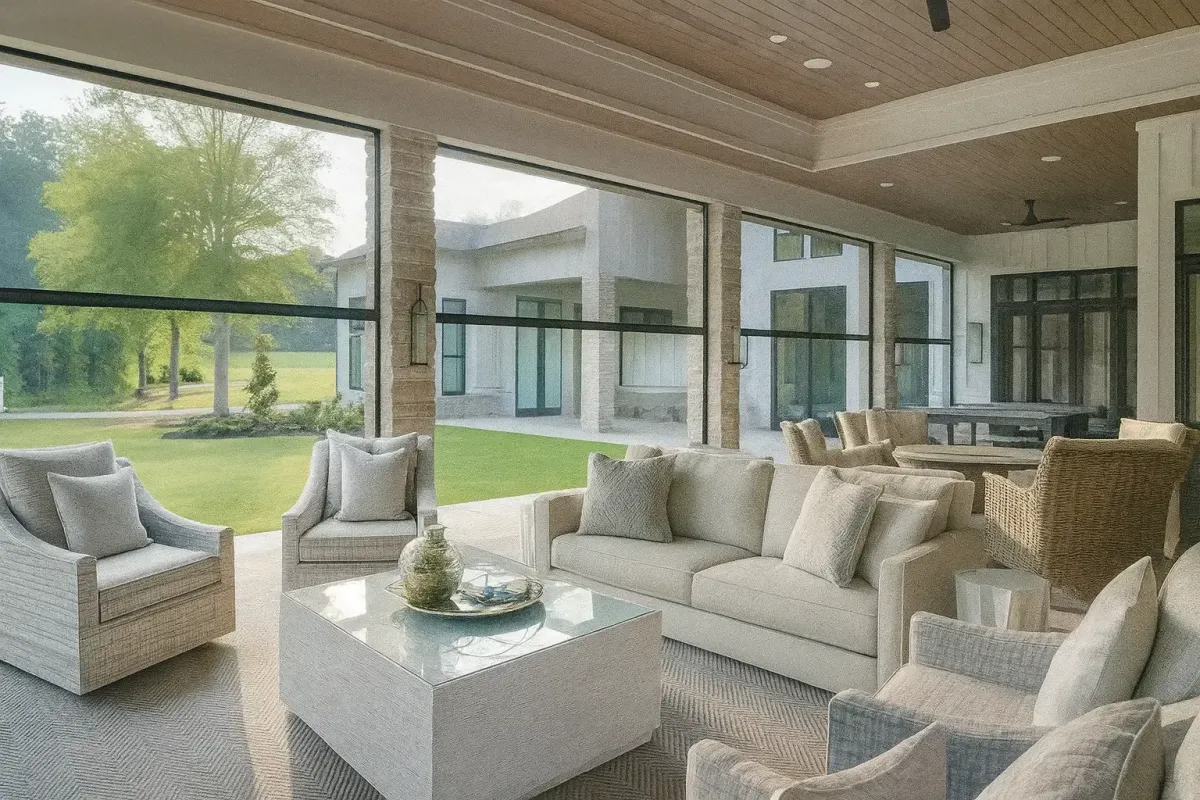
- Full View Screen Enclosures: Designed to maximize your outlook—great for yards with a view while still keeping insects out. These are especially popular when preserving sightlines to landscaping or open space is a priority.
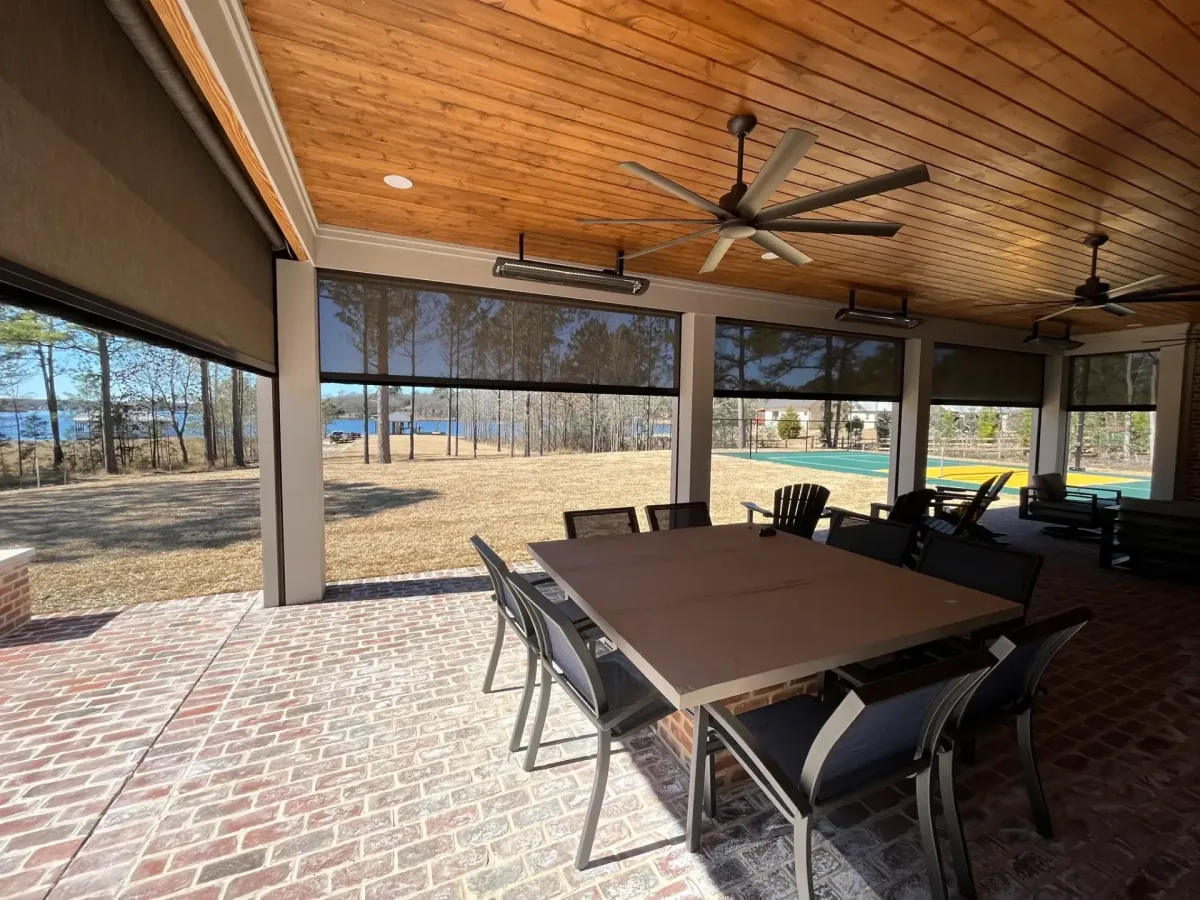
- Ultra Screen Enclosures: Use finer mesh for improved transparency and airflow, making the space feel more open. Ultra screens are a good option if you want minimal visual obstruction while maintaining insect control.
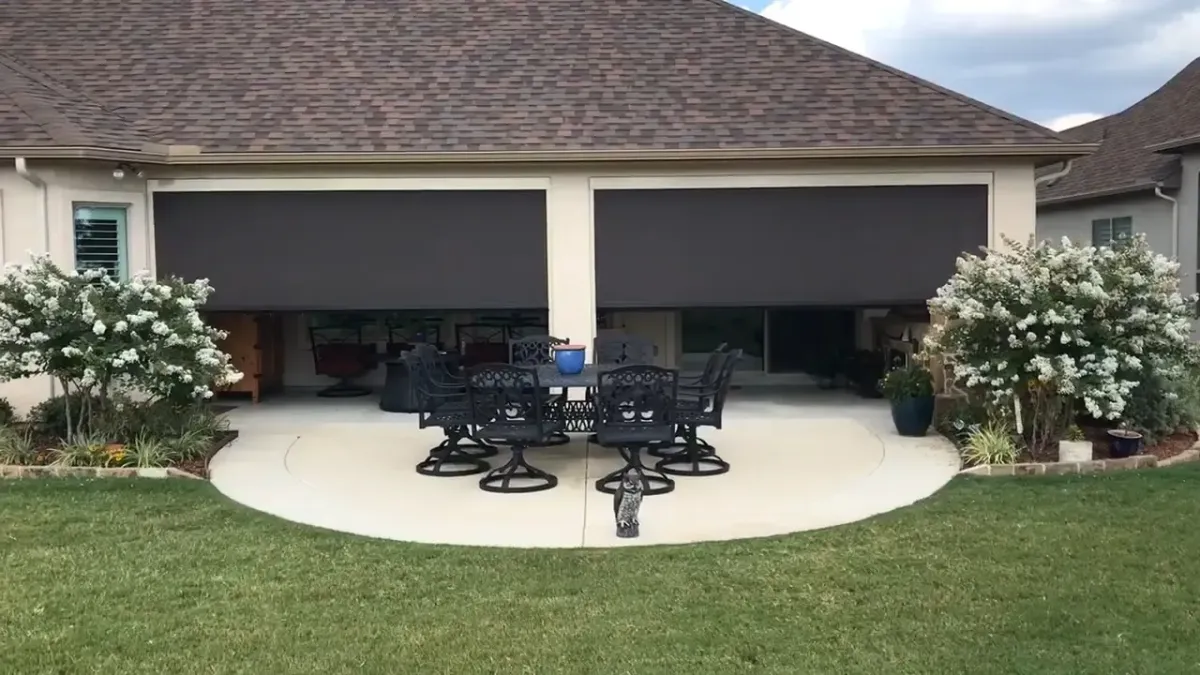
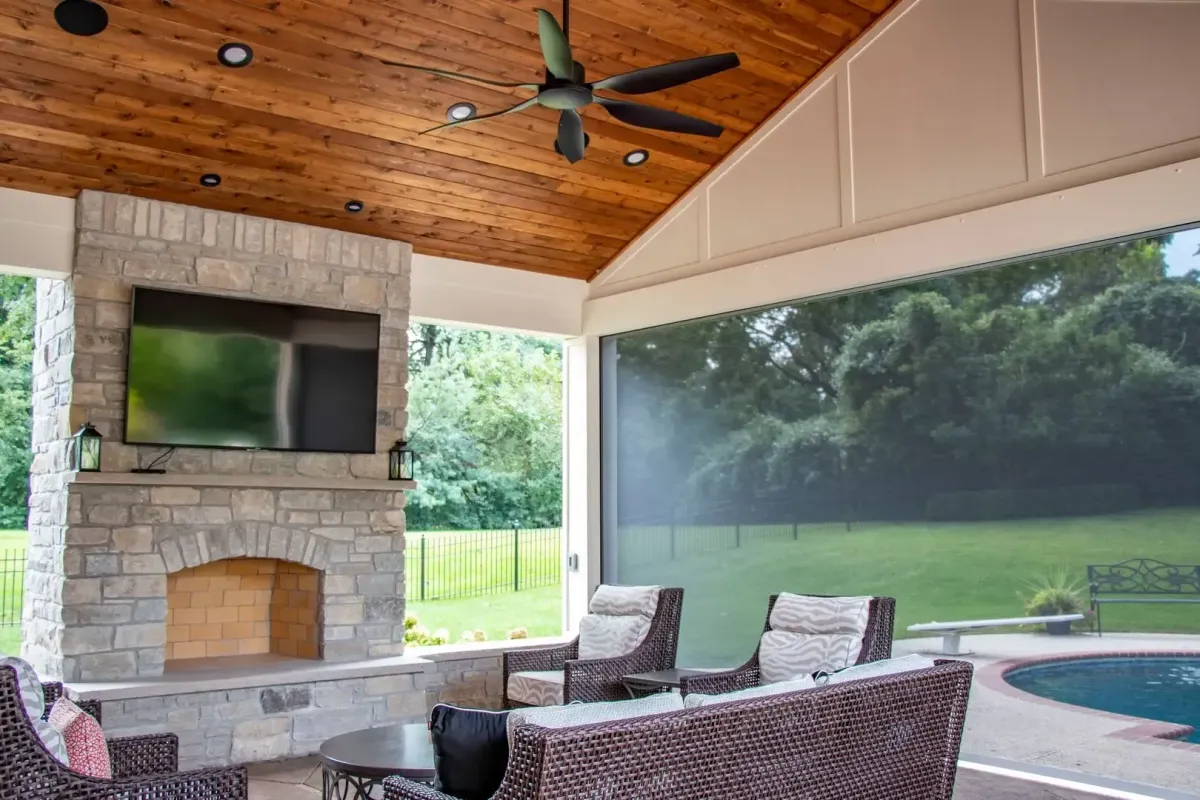
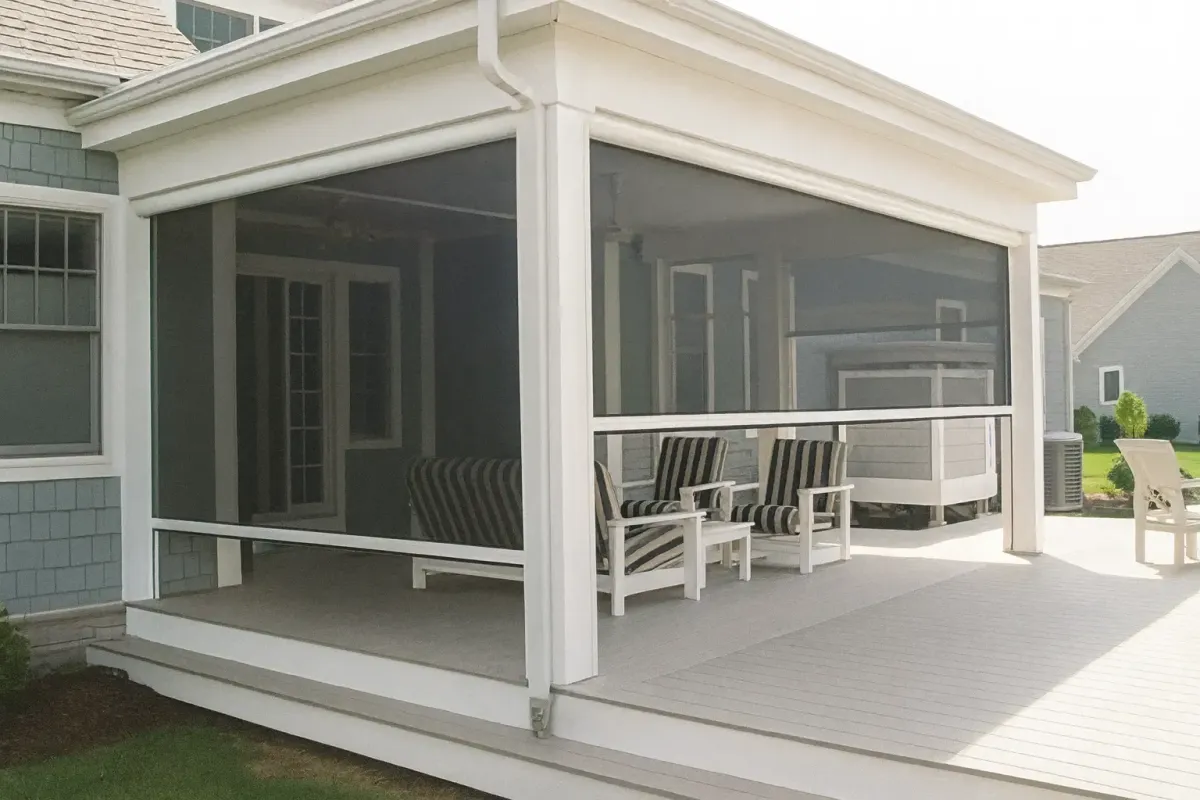
- Motorized Screens: Retractable screens you control at the touch of a button for instant indoor-outdoor flexibility. Motorized systems can be integrated with home automation and are helpful if you frequently switch between open-air and protected use.
Pick the style that fits your priorities—visibility, ventilation, or convenience—to get the most from your screen room. Ask to see photo galleries and samples so you can compare how each option looks in real installations.
Materials
Material choices determine how long your screen room lasts and how much upkeep it needs. Aluminum frames and vinyl-coated polyester meshes are common for their strength and weather resistance, while some manufacturers now offer greener alternatives for eco-conscious homeowners. Material selection affects weight, finish options, and long-term maintenance costs, so weigh short-term price against projected durability.
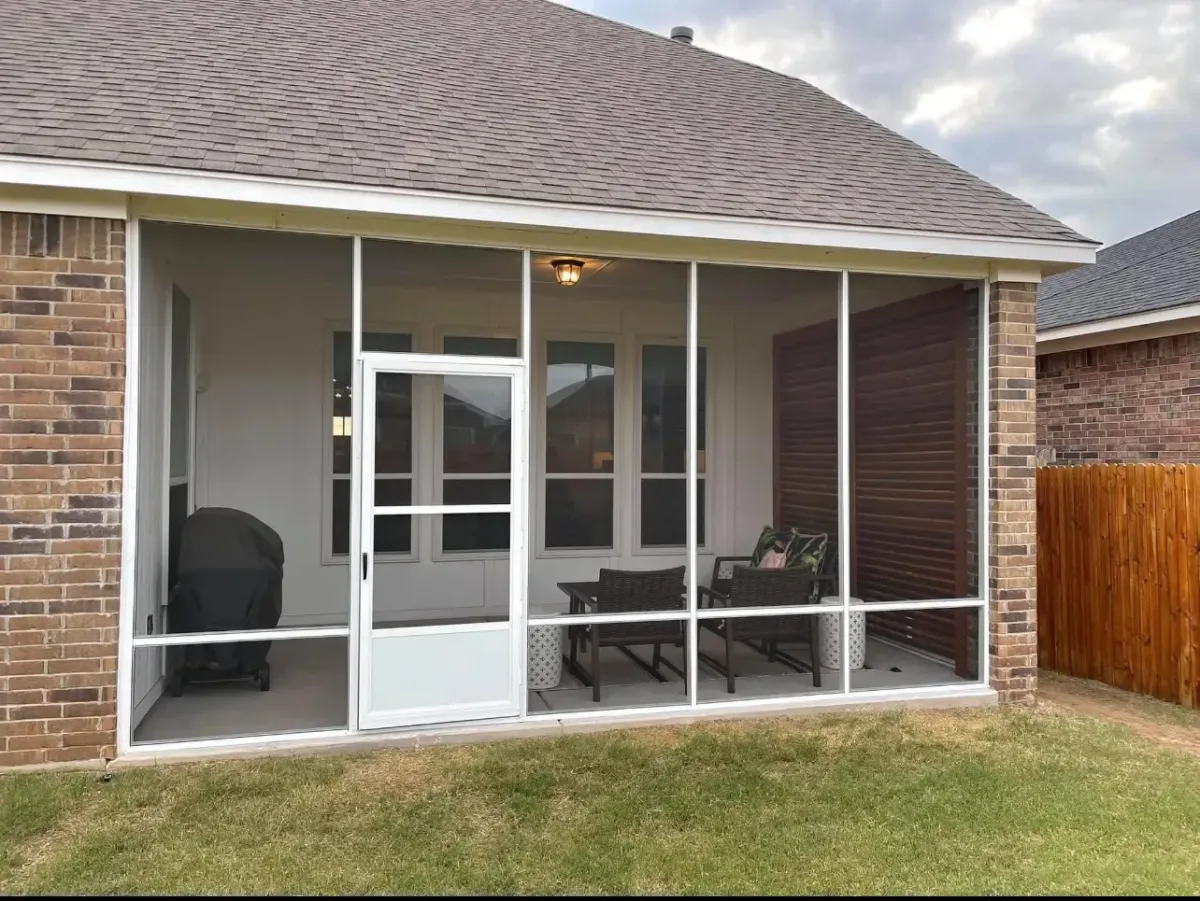
- Aluminum Frames: Lightweight, strong, and rust-resistant—an ideal frame material for long-term outdoor exposure. Powder-coated finishes add color choices and extra protection against UV and wear.
- Vinyl-Coated Polyester Screens: Offer clear sightlines, insect protection, and UV resistance, and they’re easy to clean. Different mesh densities are available to balance airflow and insect exclusion.
- Eco-Friendly Options: Sustainable materials are available for buyers who want reduced environmental impact without sacrificing durability. Recycled-content frames and low-VOC finishes reduce environmental footprint while still meeting performance needs.
Choosing quality materials up front helps minimize repairs and keeps the room looking and performing well for years. Request material warranties and maintenance recommendations during the design phase so you can plan upkeep accordingly.
Benefits
A custom screen room delivers practical and lifestyle benefits that make it a valuable home upgrade. Here are the main advantages:
- Increased Usable Space: Adds a protected outdoor room for dining, entertaining, or relaxing any season. That extra square footage can be used as a multipurpose space—play area by day, cozy dining spot by night.
- Enhanced Property Value: A thoughtfully built screen room can be an appealing selling point for future buyers. Well-documented upgrades with permits and quality photos improve curb appeal in listings.
- Protection for Outdoor Furniture: Keeps furniture and décor safer from sun, rain, and pests, extending their life. The enclosed space reduces cleaning and replacement frequency for textiles and wood surfaces.
These benefits make screen rooms a smart investment for both everyday enjoyment and long-term value. Factor in local buyer preferences—outdoor living features are often attractive in New Braunfels real estate markets.
Installation Considerations

Plan ahead and you’ll avoid surprises during installation. Key factors include budget, timeline, and maintenance needs—plus practical site considerations like access and drainage. Early planning also helps with permit preparation and coordinating subcontractors when necessary.
- Cost of Installation: Prices depend on size, materials, and design details—get multiple quotes to compare value. Ask for itemized proposals so you can see labor, materials, and any permit or site-prep expenses.
- Installation Process: Typically involves a site visit, design approval, permitting if needed, and construction. Some contractors include demolition or removal of existing features as part of the bid—confirm scope in writing.
- Maintenance Requirements: Regular cleaning and inspections keep screens and frames functioning well over time. Contractors often provide maintenance packages or advice on seasonal tasks to protect warranties.
Knowing these details up front makes the project easier to manage and more likely to meet your expectations. Build a simple timeline with milestones—design approval, permit submission, start date, and completion—to track progress.
What Are the Benefits of Installing Outdoor Screen Enclosures in New Braunfels?
Screen enclosures are especially practical in New Braunfels, where warm weather and outdoor living are part of daily life. They create usable shaded space and make outdoor routines—meals, reading, or family play—more reliable and comfortable.
- Expanded Living Space: Create more room for entertaining, relaxing, or family time—without exposure to pests or adverse weather. A well-placed screen room can become a favorite household space season after season.
- Insect Protection: Keeps mosquitoes and other bugs out so you can enjoy evenings and meals outdoors. This is important for late-summer nights and backyard gatherings.
- Weather Shielding: Helps protect against sun, light rain, and wind so your outdoor space is usable more often. Minor storms are less likely to disrupt plans when you have a secure screened area.
For local homeowners, these perks make screen enclosures a practical upgrade that enhances daily life. Consider how the space will link to indoor rooms for smooth traffic flow and convenience.
How Do Screen Rooms Enhance Outdoor Living Spaces?
Screen rooms turn ordinary patios and porches into comfortable, usable extensions of your home. Thoughtful layout, furniture selection, and lighting can transform these areas into living rooms, dining rooms, or retreat spaces that function much like indoor rooms.
- Comfort and Usability: Protected spaces make outdoor living practical year-round for gatherings or quiet downtime. Use durable furnishings designed for covered outdoor use to maximize longevity.
- Protection from Elements: Shields you from strong sun and sudden showers so plans don’t get ruined by weather. Add ceiling fans or shade treatments for additional comfort on hot days.
- Aesthetic Appeal: A well-planned screen room blends with your home’s architecture and can uplift your yard’s look. Coordinated finishes and landscaping transitions help the new space feel integrated and intentional.
These improvements help you use and enjoy outdoor space more frequently and comfortably. Consider lighting layers—ambient, task, and accent—to make the room usable after dark and to set the mood for different activities.
What Insect Protection and Weather Shielding Do Screen Rooms Provide?
Screen rooms are engineered to keep pests out while letting air and light in, and certain materials also resist weather wear. Choosing appropriate mesh and secure framing is key to long-term performance.
- Insect Barriers: Fine-mesh screens block mosquitoes, flies, and other pests for a more pleasant outdoor experience. Different mesh weights and hole sizes target specific pests while maintaining airflow.
- Weather Protection: Properly installed screens and framing help buffer wind and rain, making the space usable in varied conditions. When paired with covered roofs or patio covers, screens extend usable days through varied seasons.
- Material Effectiveness: Quality screens are designed to handle sun and heat while preserving visibility and airflow. Ask about UV-stable meshes and corrosion-resistant fasteners for coastal or humid environments.
This combination of protection and comfort is why many homeowners choose screen rooms as their outdoor solution. If you live near trees, consider debris screens or protective coverings to reduce maintenance.
Which Types of Screen Rooms and Materials Are Best for New Braunfels Homes?
Choose types and materials that match your lifestyle and handle local climate realities. Prioritize materials and finishes that tolerate high sun exposure and occasional heavy rain.
- Full View Screen Enclosures: Best for homes with scenic views—keeps sightlines clear while protecting against bugs. These are often selected for backyards with mature landscaping or open vistas.
- Ultra Screen Enclosures: Ideal when you want maximum light and airflow without sacrificing insect control. They can be especially attractive if you want a lightweight, minimal visual barrier between indoor and outdoor spaces.
- Motorized Screens: Offer convenience and flexibility—retract them when you want open air, lower them when needed. Integration with smart-home systems can allow automated schedules tied to sunlight or weather sensors.
Select the combination that balances aesthetics, airflow, and durability for your property. Ask contractors for sample panels and to demonstrate how mesh choices affect visibility and airflow in person.
What Are the Popular Screen Room Types Offered by Local Contractors?
Local contractors typically provide a handful of proven options to fit most yards and budgets. Many also offer customization packages and accessory add-ons to tailor the room to your exact needs.
- Full View Screens: Favored for unobstructed views and clean sightlines. Contractors often pair these with minimalist framing to emphasize view corridors.
- Ultra Screens: Known for fine mesh that improves visibility and ventilation. These are commonly selected for patios that double as dining or entertaining spaces.
- Motorized Screens: Valued for ease of use and the option to instantly change the space’s exposure. Make sure electrical needs and safety features are discussed during quoting.
Understanding these local offerings helps you pick the best match for your home. Ask to see local installations to evaluate workmanship and how different types perform over time in the regional climate.
How Do Screen Materials Like Aluminum Frames and Eco-Friendly Options Compare?
Compare materials by durability, cost, and environmental impact to choose what’s right for your needs. Consider lifecycle costs, not only initial purchase price, when deciding between standard and eco-focused materials.
- Durability: Aluminum resists rust and stands up well over time, making it a reliable frame choice. Heavier gauge frames provide extra strength for larger spans.
- Cost-Effectiveness: Vinyl-coated polyester screens balance performance and budget-friendly pricing. They are easy to replace and widely available, which can reduce long-term repair costs.
- Environmental Impact: Eco-friendly options are increasingly available for buyers who prioritize sustainability. Look for recycled-content frames, low-VOC finishes, and manufacturers that publish environmental practices.
Weighing these factors helps ensure you select materials that meet both performance and budget goals. Request sample maintenance schedules and warranty details so you can compare long-term value.
How Does the Screen Room Installation Process Work in New Braunfels TX?
Installation usually follows a clear sequence so you know what to expect from first call to finished space. Each step includes choices that can affect cost and timeline, so maintain open communication with your contractor throughout.
- Consultation: A contractor visits the site, reviews needs, and discusses options and costs. Use this meeting to review photos, ask about past projects, and confirm permit responsibilities.
- Design Development: A plan is drawn up that reflects your preferences, measurements, and any permitting needs. The design phase may include material selections, color choices, and accessory options.
- Construction: The build phase assembles the frame, installs screens, and completes any finishing work—timing varies by project size. Contractors typically coordinate inspections and final punch-list items at the end of construction.
Knowing each stage helps you stay informed and ensures a smoother project from start to finish. Keep copies of contracts, warranty documents, and permit approvals for your records.
What Are the Step-by-Step Installation Stages by Screen Room Contractors?
Most contractors follow a similar process to keep projects predictable and on schedule. Understanding these stages helps homeowners plan around access, deliveries, and temporary disruptions.
- Free Consultation: An initial meeting to review your goals, site, and budget. Prepare a rough idea of priorities and any fixed constraints like utilities or landscaping.
- Design Development: Detailed plans and material selections are finalized. This stage may include digital renderings, sample boards, and written specifications.
- Final Walkthrough: After construction, a walkthrough ensures everything meets expectations and any punch-list items are addressed. Use the walkthrough to document any remaining items before final payment.
These steps create transparency and help achieve the result you envisioned. Ask about expected daily work windows and clean-up practices to minimize impact on your household.
How Long Does Installation Typically Take for Patio Screens in Texas?
Project length depends on scope, materials, and weather—but most jobs fall within a predictable range. Preconstruction planning, permitting, and material lead times can influence the start date more than the actual build days.
- Factors Affecting Installation Time: Weather, permit timelines, and design complexity can add days or weeks. Also consider lead times for custom materials or motorized components.
- Average Duration: Most installations finish in about 1 to 3 weeks for standard projects. Simpler, prefabricated systems may be installed more quickly, while custom builds require additional on-site work.
- Complexity Considerations: Intricate builds or large custom features may extend the schedule. If you plan landscaping or electrical upgrades, coordinate those trades early to avoid delays.
Planning with your contractor around these factors will help set realistic expectations. Ask for a proposed schedule with contingency days and clear start and end dates.
What Are the Pricing and Financing Options for Custom Screen Rooms in New Braunfels?
Costs vary with size and features, but there are multiple ways to make a project budget-friendly. Understanding financing and promotional offers beforehand helps you compare net costs across contractors.
- Cost Ranges: Basic screen rooms often start near $5,000, while more elaborate builds can exceed $15,000. Custom features, motorized systems, and premium finishes increase the total cost.
- Financing Options: Many contractors offer financing plans to spread payments into manageable monthly amounts. Compare APRs, down payments, and term lengths when evaluating options.
- Promotions: Seasonal specials or package deals may reduce upfront costs—ask about current offers. Consider asking if bundled upgrades like ceiling fans or lighting are included in promotions.
Compare quotes and financing terms to find the option that fits your budget and timeline. Request a written comparison showing total financed cost and monthly payment to avoid surprises.
How Much Does a Screen Room Cost in New Braunfels TX?
Expect a range based on choices you make for size, materials, and extras. Local labor rates and permit fees also influence final pricing, so include those in your budget calculations.
- Basic Cost Estimates: Typical projects fall between $5,000 and $15,000, depending on scope. This range covers simple enclosures through mid-range custom builds with quality materials.
- Factors Influencing Cost: Size, material quality, and custom features all affect final pricing. Site prep, foundation work, and electrical upgrades will also add to the total.
- Financing Options: Many contractors offer plans to spread the cost over time for easier budgeting. Check whether financing includes interest-only periods or balloon payments at term end.
Getting multiple detailed quotes helps you budget accurately and avoid surprises. Ask each bidder to outline any assumptions they made so you can compare apples to apples.
What Financing Plans Are Available for Outdoor Screen Enclosures?
Contractors commonly offer financing to help homeowners move forward without a large upfront payment. Dedicated project financing programs may allow you to start sooner while paying over several years.
- Low Fixed Monthly Payment Plans: Spread the cost out with predictable monthly payments. Fixed plans simplify budgeting and avoid unexpected payment changes.
- No Payment, No Interest Plans: Promotional plans may include interest-free periods—read terms carefully. These can be beneficial if you can pay within the promotional window.
- Flexible Payment Options: Various structures let you choose what fits your financial needs. Some programs allow deferred payments or shorter terms with higher monthly payments if preferred.
Ask each contractor for full financing details so you can compare rates and terms. Verify whether financing is contingent on contractor selection or available through third-party lenders.
How Should You Maintain and Care for Your Screen Room in New Braunfels?
Simple, regular care keeps your screen room performing and looking its best. Establish a seasonal routine and keep a small toolbox or maintenance kit handy to handle minor repairs quickly.
- Regular Cleaning: Wash screens and frames with mild soap and water to remove dirt and pollen. A soft brush and garden hose are often sufficient for routine cleaning.
- Inspect for Damage: Check for rips, loose fasteners, or frame issues and repair them promptly. Small tears are easier and cheaper to patch than large replacements.
- Seasonal Maintenance: Prep for summer heat and storm season by securing screens and checking drainage. Trim nearby vegetation to reduce rubbing and debris accumulation.
Routine upkeep prevents small issues from becoming costly repairs down the road. Keep a simple log of inspections and repairs so you can track patterns and upcoming needs.
What Are the Best Maintenance Tips for Longevity and Durability?
Follow a few straightforward habits to extend the life of your screen room. Proactive, lightweight maintenance saves time and expense compared with emergency repairs after severe weather.
- Regular Inspections: Look for wear at least twice a year and after major storms. Pay attention to corners and attachment points where stress concentrates.
- Cleaning Tips: Use mild soap, water, and a soft brush—avoid harsh chemicals that can damage finishes. Rinse thoroughly to remove residue that might attract dirt.
- Protecting from UV Exposure: Consider UV-resistant materials or finishes to reduce sun-related degradation. Shade options and strategically placed landscaping can also limit direct UV exposure.
These steps help keep the structure sound and lower long-term maintenance costs. Keep manufacturer-recommended cleaning agents and spare fasteners on hand to make small repairs quick and easy.
How Do Local Climate Conditions Affect Screen Room Upkeep?
New Braunfels’ climate shapes how you maintain and protect an outdoor enclosure. Being mindful of heat cycles, humidity, and storm patterns helps you choose features and maintenance schedules that align with local conditions.
- Heat and UV Exposure: Direct sun can fade and weaken materials over time—routine checks and UV-resistant choices help. Consider reflective or light-colored finishes that reduce heat buildup.
- Humidity and Storms: Humidity raises the risk of mold and mildew; storms can cause physical damage if the structure isn’t secured. Proper drainage and ventilation are essential to prevent moisture buildup.
- Seasonal Changes: Adjust care routines by season—clear debris in fall and reinforce connections before storm season. Winterizing steps may include covering cushions and protecting motors on retractable systems.
Tailoring maintenance to local conditions keeps your screen room ready for year-round use. Keep a seasonal checklist to ensure critical tasks are not overlooked.
What Do Customers Say About Screen Room Contractors in New Braunfels and San Antonio?
Customer feedback is a useful guide when choosing a contractor. Look for patterns in reviews that speak to communication, timeliness, and reliability rather than single outlier comments.
- Quality of Service: Many homeowners praise solid workmanship and attention to detail. Photographs of completed projects often show consistent finishes and neat trim work.
- Customer Satisfaction: Reviews often highlight clear communication and projects finished on time. Contractors who provide regular updates during construction typically score higher in satisfaction.
- Project Success Stories: Satisfied customers share photos and stories of screen rooms that transformed their outdoor living. Ask contractors for local references so you can see examples in person when possible.
Read local reviews and ask contractors for references to get a sense of their track record. Discuss how they handle punch-list items and warranty service before signing a contract.
What Related Outdoor Living Products Complement Screen Rooms in New Braunfels?
Several products pair well with screen rooms to increase comfort and versatility. When planned together, these elements create cohesive outdoor living zones that function across seasons.
- Sunrooms: Enclosed, glass-forward spaces that provide year-round use with more protection from the elements. Sunrooms are often chosen for colder months or where full climate control is desired.
- Patio Covers: Add shade and shelter that work well alongside screened areas. They reduce direct sun and can prolong the life of adjacent screens and furnishings.
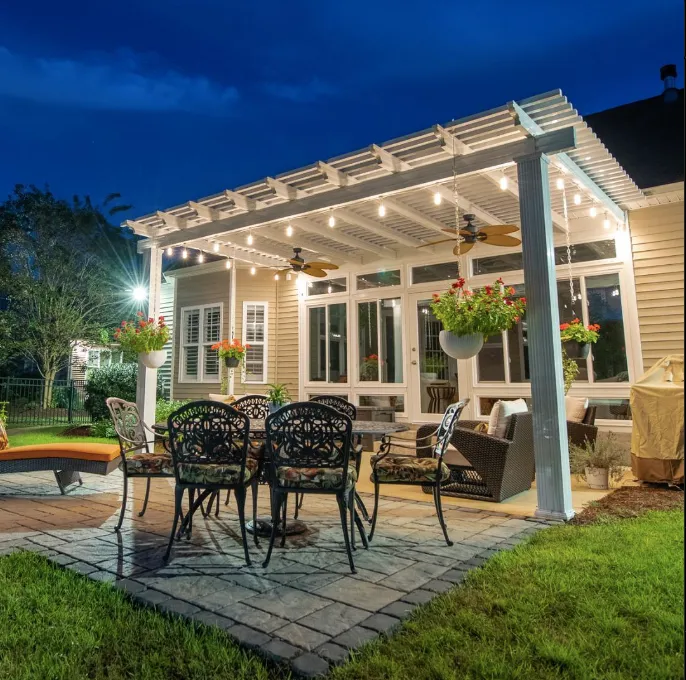
- Pergolas: Decorative structures that add style and can be combined with screens or shade fabrics. Pergolas create layered shade and help define outdoor rooms visually.
Mixing these elements creates a layered outdoor living plan that fits your needs and budget. Coordinate finishes and rooflines to ensure a unified aesthetic between structures.
To explore options for patio covers that complement your screen room, consider contacting Express Sunrooms.
Interested in adding a pergola to your outdoor space? Express Sunrooms offers a variety of styles to enhance your backyard.
If you're considering other options, sunrooms provide an enclosed space you can enjoy year-round.
For more information or to schedule a consultation, contact us today — we’ll help you design the right outdoor living solution for your home.
Frequently Asked Questions
What factors should I consider when choosing a location for my screen room?
Pick a spot that balances sunlight, shade, and access. Think about how the space will connect to your house and outdoor flow—easy access from living areas is ideal. Check property lines and local codes before you commit. A contractor can help evaluate drainage, sun patterns, and the best orientation for comfort and longevity. Also consider nearby trees for shade or potential debris, and how the placement will affect privacy from neighbors.
How can I customize the design of my screen room?
Customization ranges from size and shape to features like motorized screens, built-in lighting, ceiling fans, and trim finishes. Pick screen mesh and frame colors that match your home, and consider extras like privacy panels or integrated shades. A professional designer will translate your needs into a functional plan that fits your style. Discuss flooring options, electrical placements for fans or heaters, and furniture layout during the design phase to ensure the space performs as intended.
What are the energy efficiency benefits of having a screen room?
Screen rooms can act as a thermal buffer—reducing direct sun on adjacent rooms and allowing natural ventilation to cool your home. That can lower air-conditioning use on milder days. They also protect outdoor fixtures, reducing replacement frequency and waste. Properly planned, a screen room contributes modest energy and comfort gains. Consider cross-ventilation, ceiling fans, and shade orientation to improve passive cooling effectiveness.
Are there any seasonal considerations for using a screen room?
Yes. In summer, ensure good airflow with fans or shades. In fall, clear leaves and debris to prevent clogging and damage. In cooler months, portable heaters or insulated panels can extend usability. Before storm season, secure screens and check anchors so the structure weathers high winds more effectively. If you plan to use the space year-round, discuss insulation options for adjacent walls or doors and storage solutions for cushions and textiles.
What maintenance tasks are specific to screen rooms in humid climates?
Humidity raises mold and mildew risk, so clean screens and frames regularly and allow for good airflow. Watch for staining or corrosion in hidden corners and address any water pooling near the foundation. Consider mold-resistant treatments and make sure gutters and drainage redirect water away from the structure. Routine drying after heavy rain and checking seals around frames help prevent moisture-related deterioration.
How do I choose the right contractor for my screen room installation?
Start with local contractors who specialize in screen rooms. Check online reviews and ask for before-and-after photos or references. Get multiple written quotes detailing scope, materials, and timelines. Meet contractors in person to assess communication and professionalism—clear answers and willingness to explain options are good signs. Confirm licensing, insurance, and whether they handle permits or subcontract work for trade-specific tasks.
What are the common mistakes to avoid when planning a screen room?
Don’t underestimate total costs—account for permits, site prep, and finishes. Avoid placing the room where it will get too much late-afternoon sun without shade. Don’t skip maintenance planning—regular care is key to longevity. Finally, don’t rush design decisions; a thoughtful plan prevents costly changes later. Also confirm how additions like lighting or heating will be powered to avoid expensive retrofits later.
Conclusion
Custom screen rooms in New Braunfels, TX, offer a practical, comfortable way to enjoy the outdoors without the usual hassles. With thoughtful design, quality materials, and routine maintenance, a screen room becomes a lasting extension of your home—adding enjoyment now and value later. If you’re ready to explore options or get a quote, contact us and we’ll guide you through the process. Make a short list of priorities, arrange a few local consultations, and you’ll be well on your way to a screen room that fits your life and enhances your home.