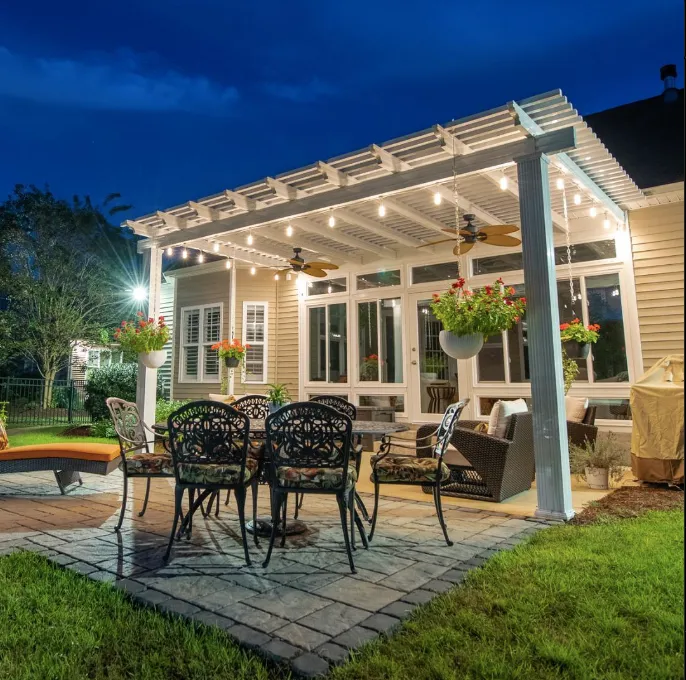

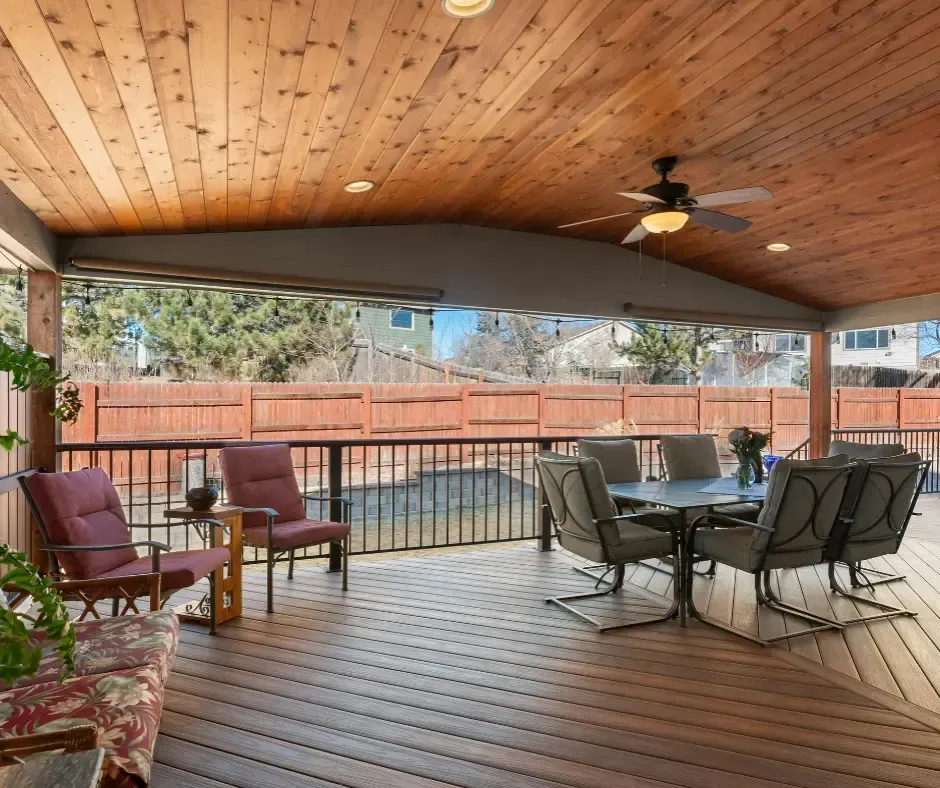
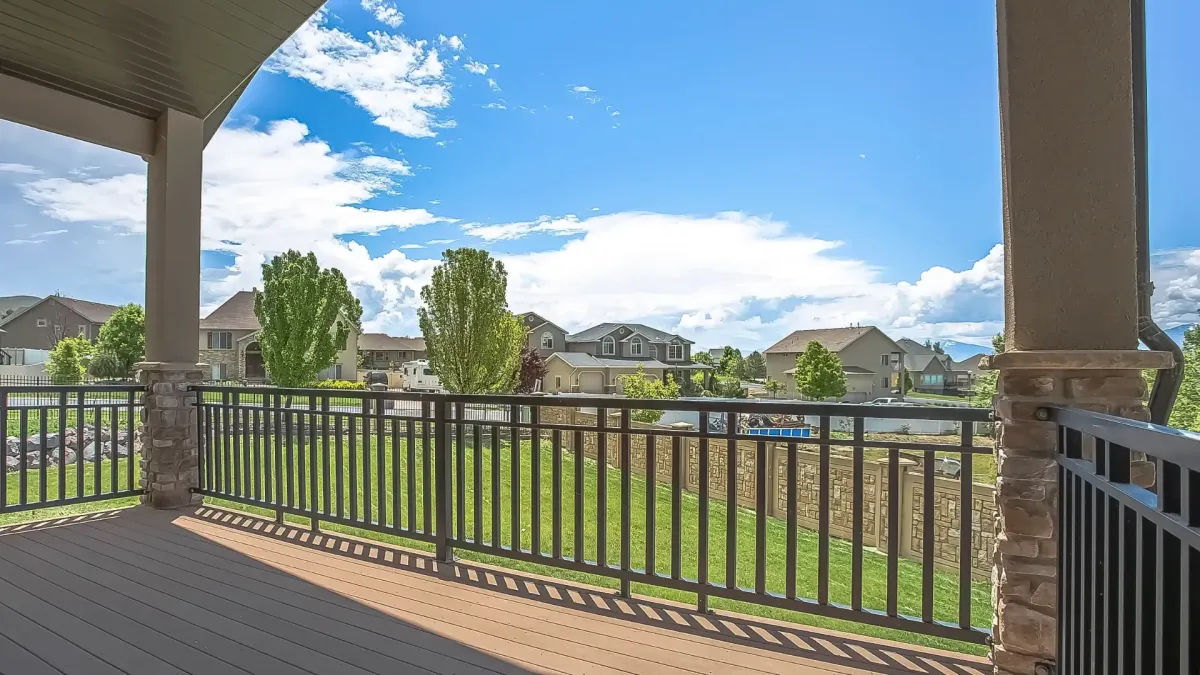
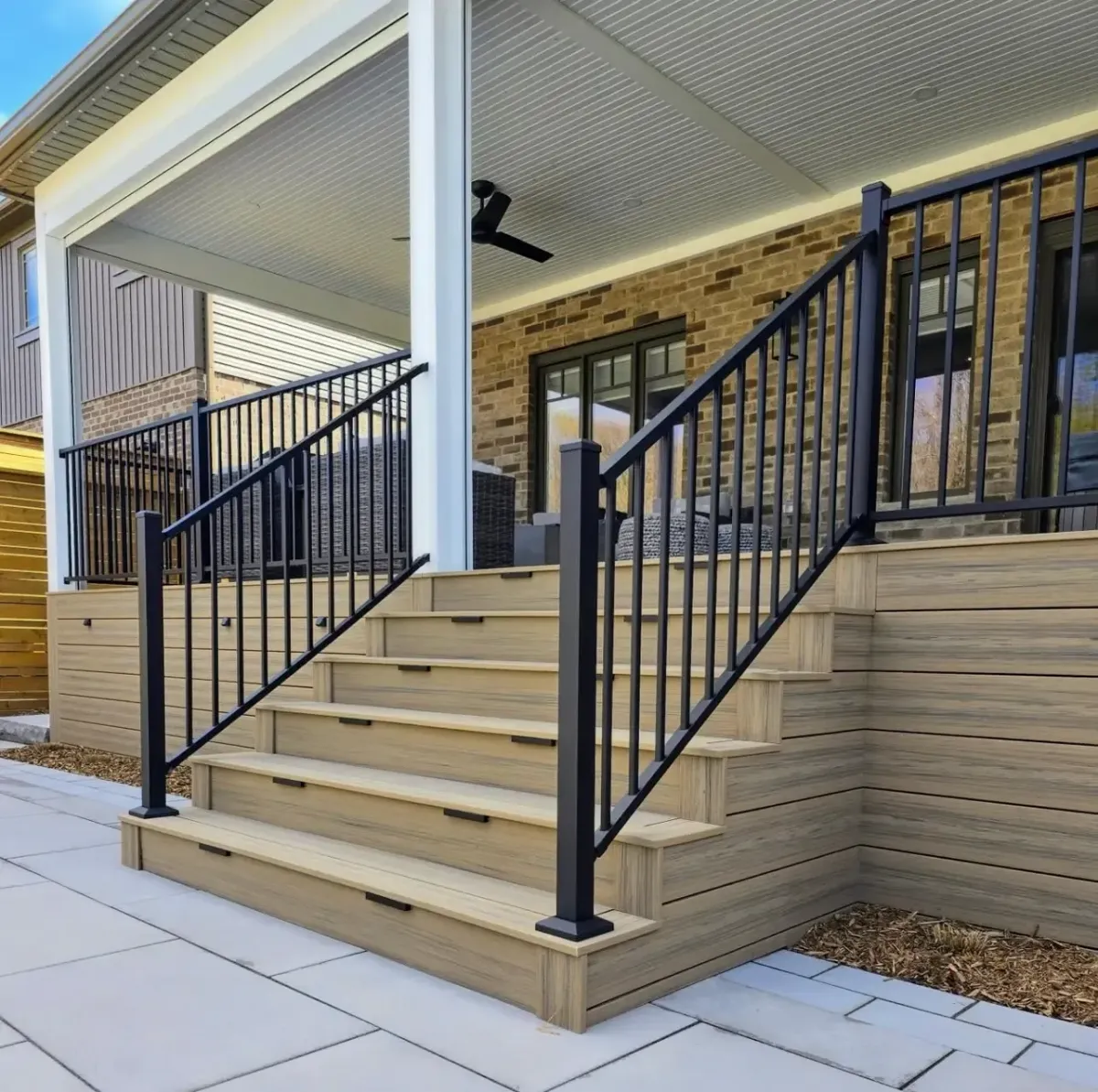
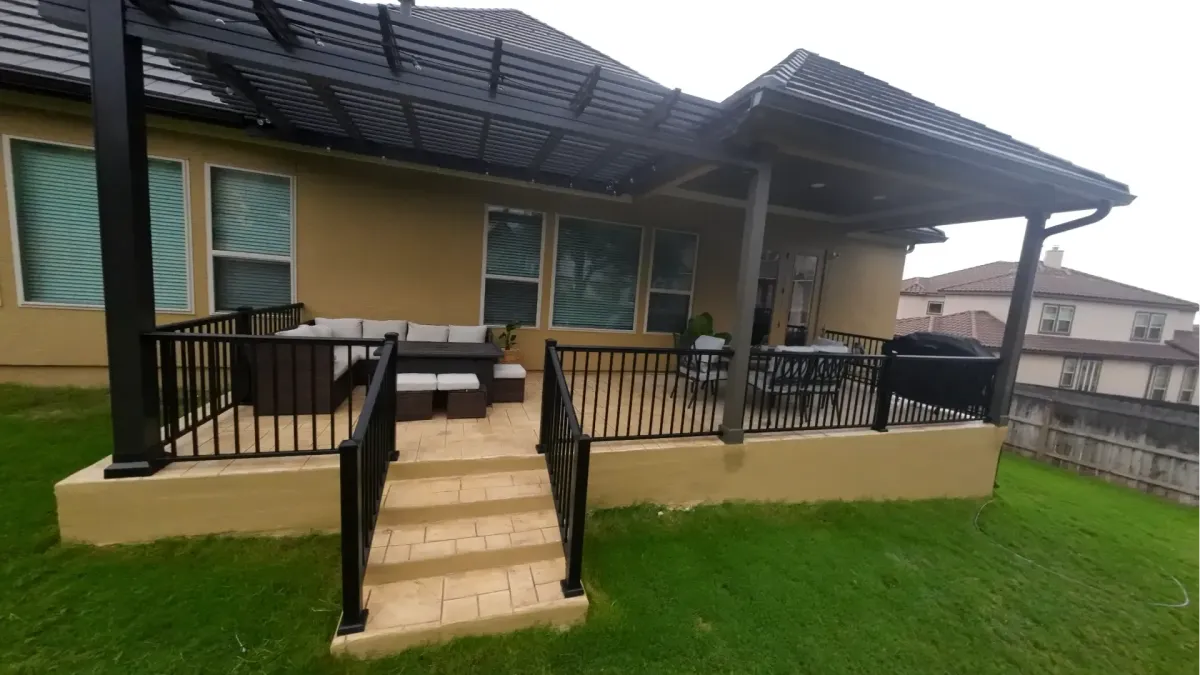
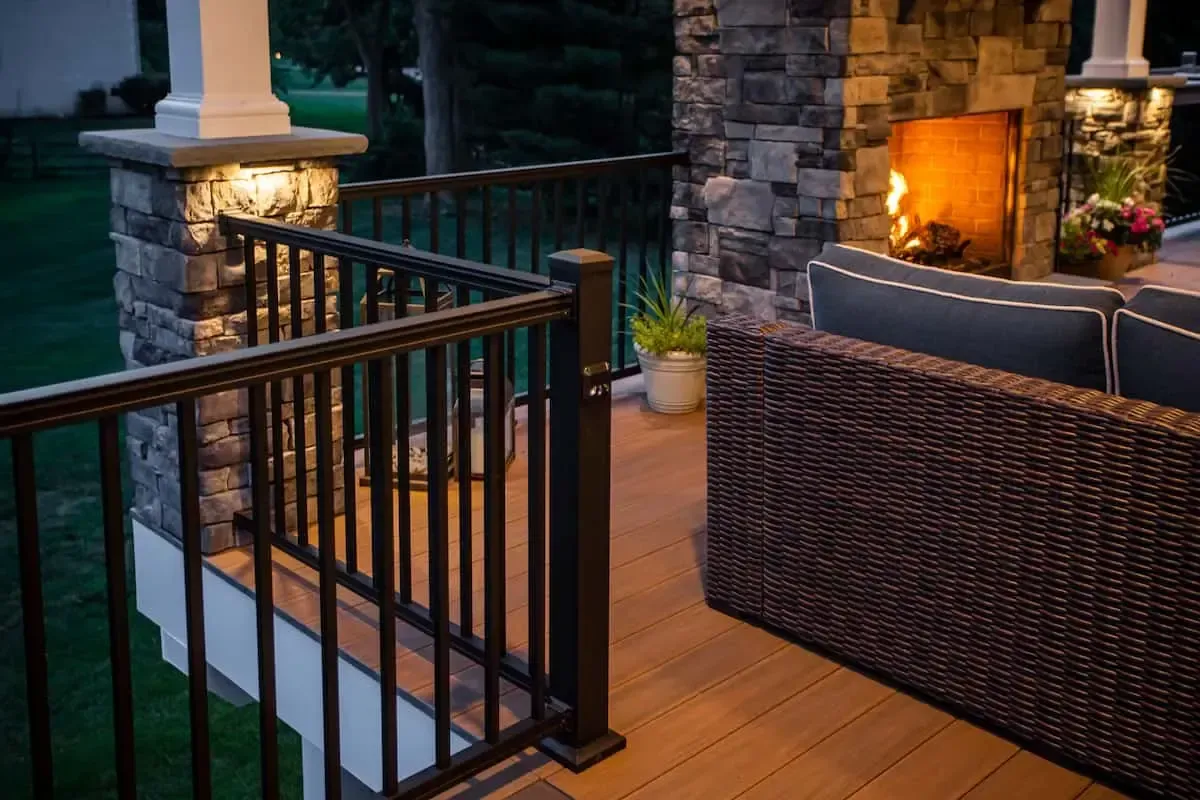
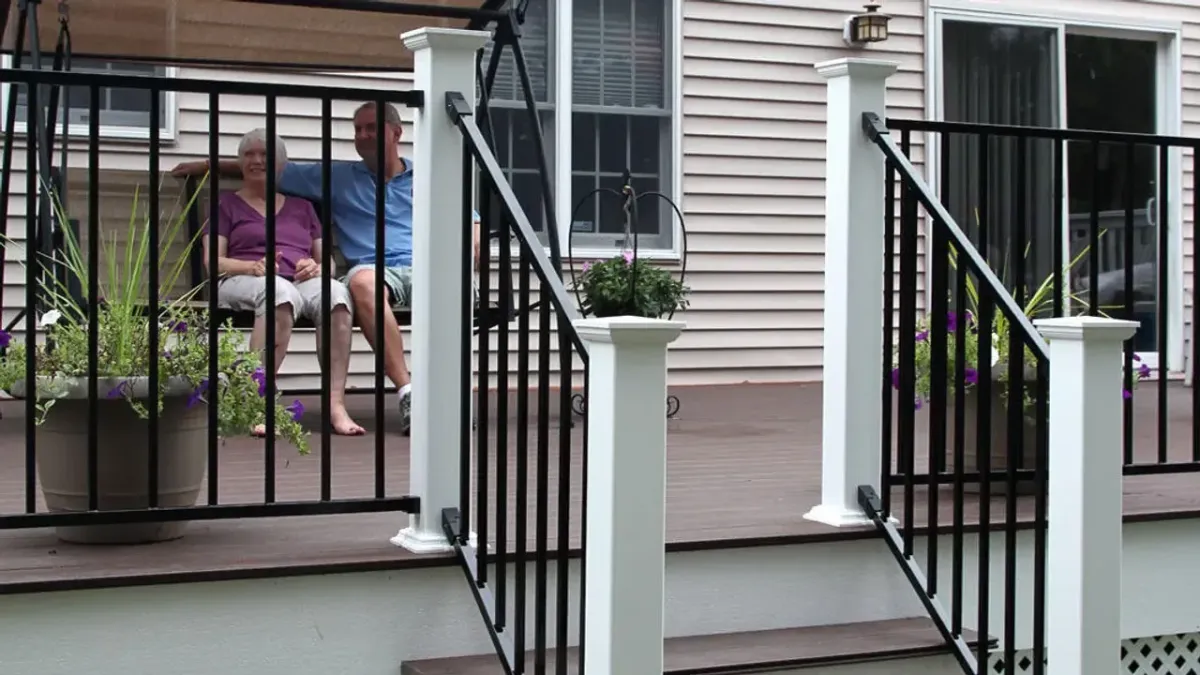
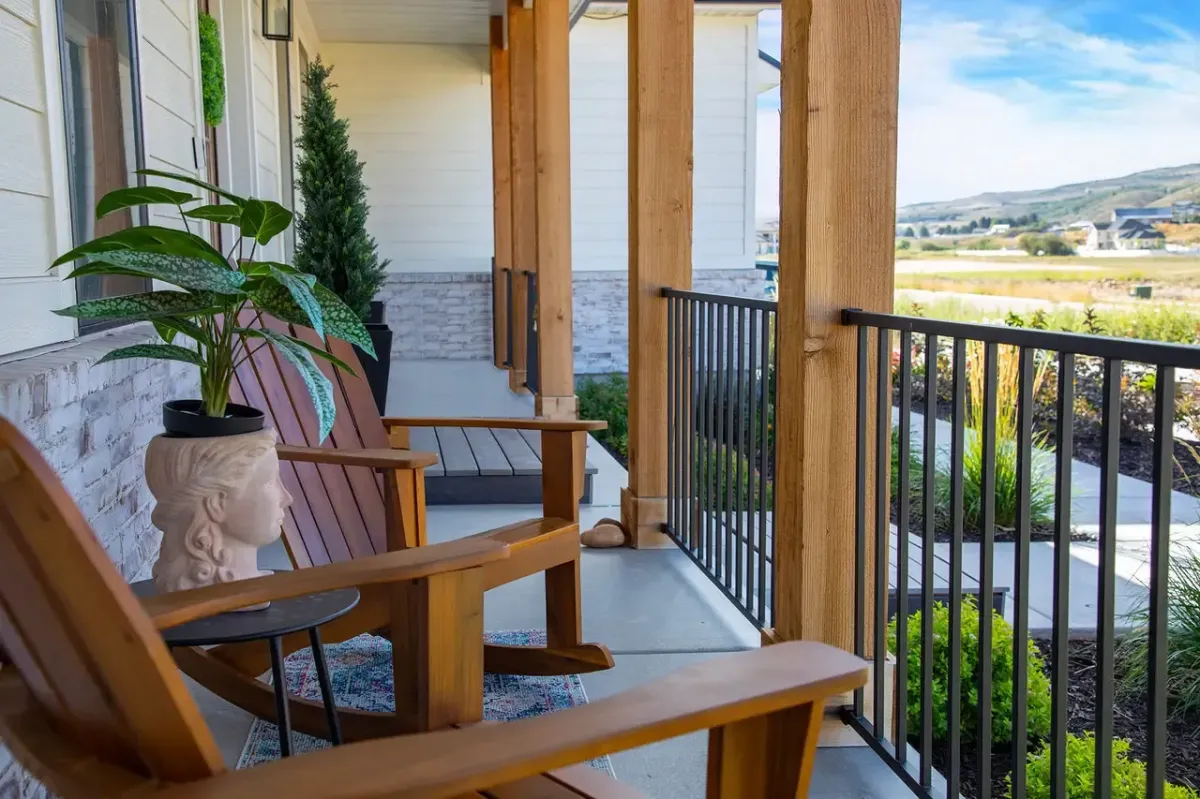
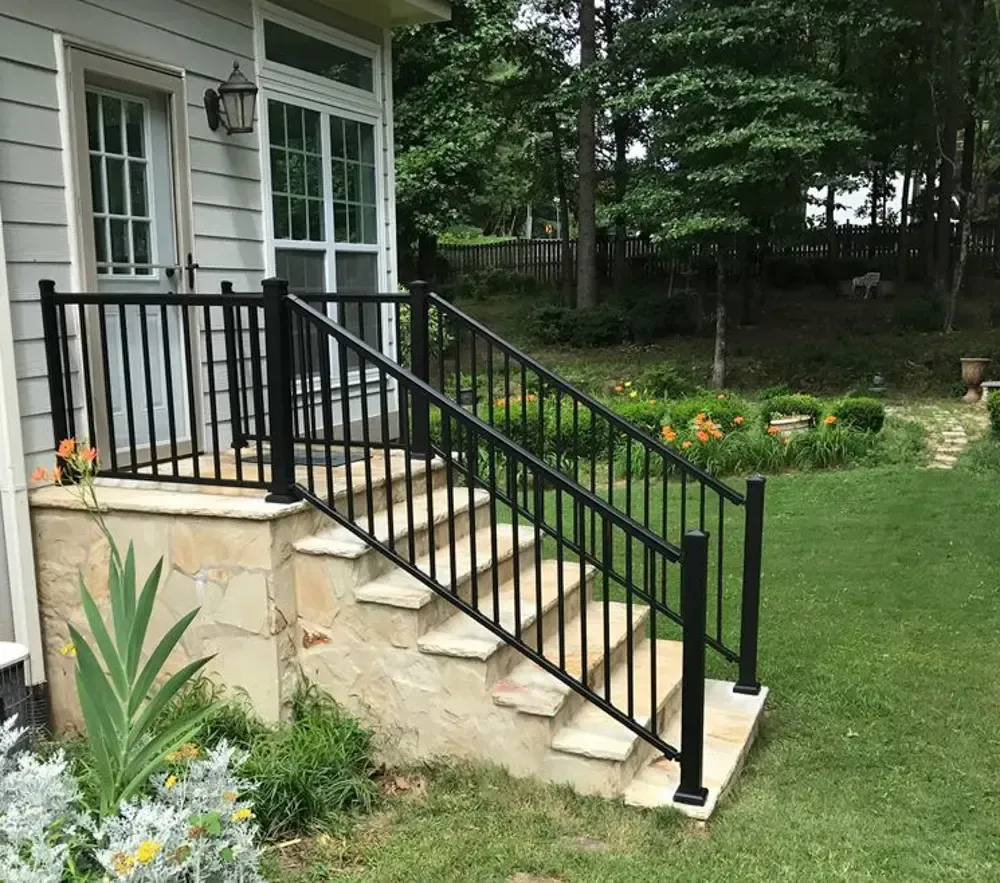
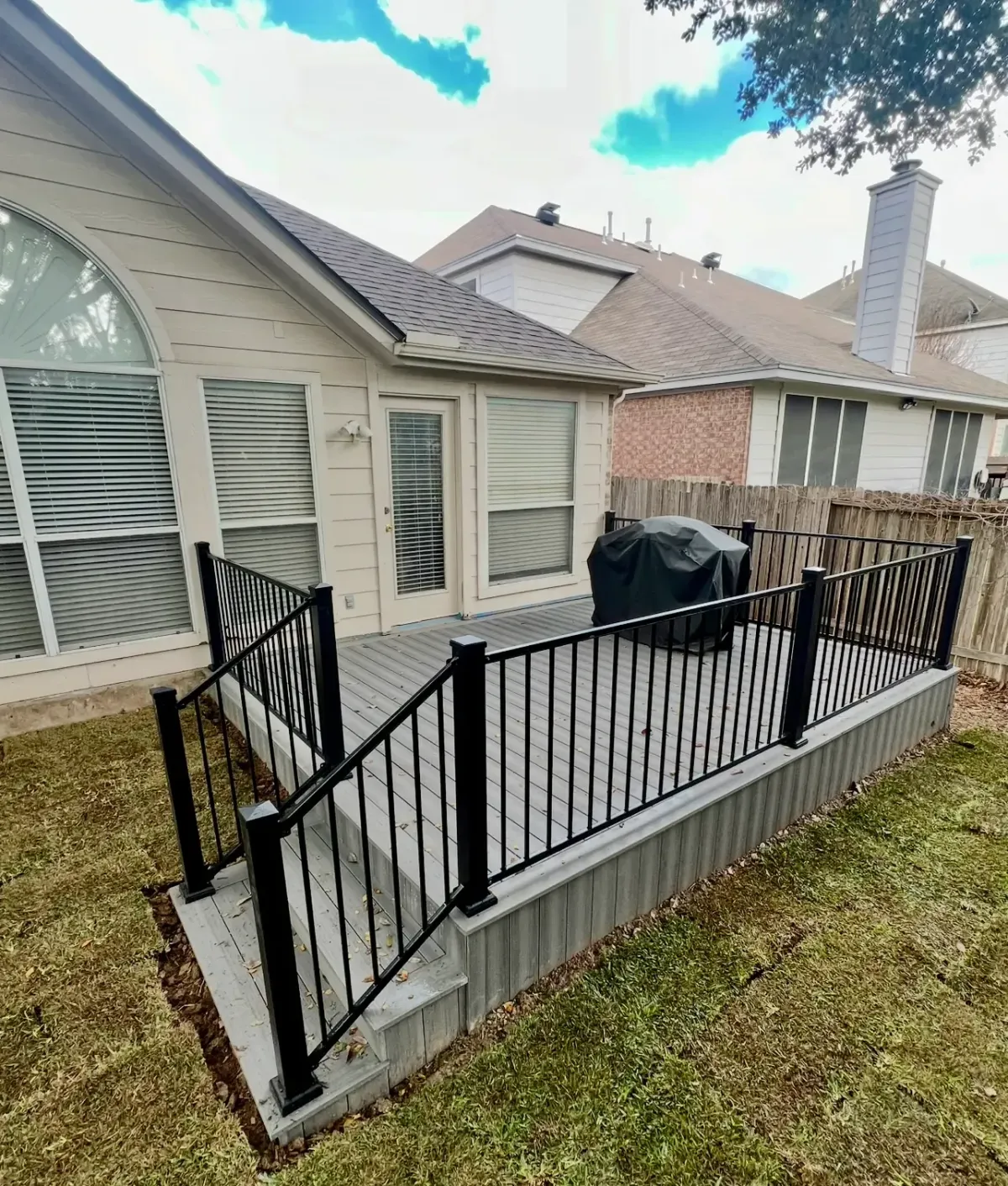
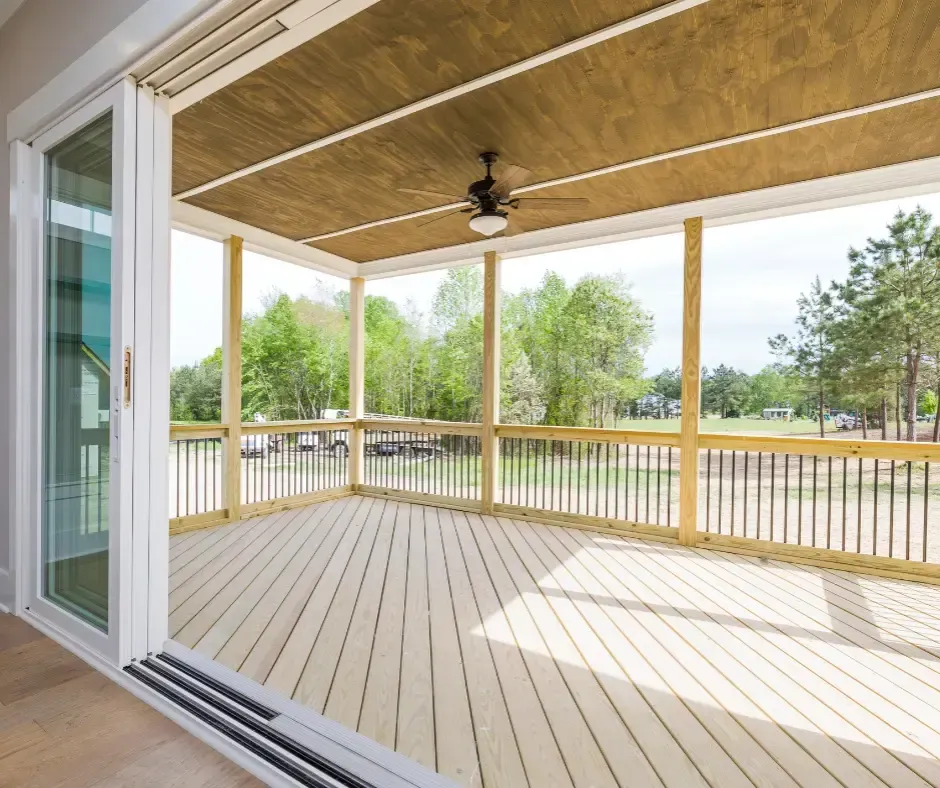
Well-built deck railings protect your family and finish your outdoor space. In Boerne, TX, more homeowners want railings that reflect their style while meeting local safety rules. This guide walks through the best materials, the installation process, popular design choices, applicable codes, expected costs, maintenance tips, and how railings tie into other outdoor structures. Use these insights to choose railings that look great and stand the test of time.
When planning a project, consider how the railing will be used daily — whether it needs to support planters, accommodate integrated lighting, or provide a safe barrier for children and pets. Early decisions about function and visual impact make later steps, like choosing materials and detailing connections, more straightforward and help avoid costly adjustments during installation.
Key Takeaways
- Custom deck railings improve safety and the look of outdoor living areas in Boerne, TX.
- Wood, aluminum, and composite are the most common materials—each offers different benefits.
- Composite railings are durable and low-maintenance, making them a strong long-term option.
- Installation typically follows planning, measuring, prep, installation, and a final inspection.
- You can personalize railings with colors, mixed materials, and special design details.
- Railings must meet Texas safety rules for height, spacing, and load capacity.
- Costs depend on material, design complexity, and labor — expect variation by project.
- Regular cleaning and inspections extend the life of any railing system.
- Coordinating railings with pergolas and patio covers creates a cohesive, functional outdoor space.
What Are the Best Materials for Custom Deck Railings in Boerne TX?
Choosing the right material comes down to durability, upkeep, and how it looks with your home. In Boerne, homeowners commonly choose wood, aluminum, or composite railings. Each material fits different priorities — from classic warmth to minimal maintenance.
In addition to the core material choice, consider connectors and fasteners, post bases, and top-rail compatibility. For example, stainless-steel fasteners extend life on treated wood, while powder-coated aluminum components resist surface wear. Matching hardware to the main material prevents galvanic corrosion and keeps the system cohesive.
How Do Wood, Aluminum, and Composite Railings Compare?
Wood, aluminum, and composite railings each bring clear advantages and trade-offs to consider.
- Wood Railings : Offer natural warmth and can be stained or painted to match your home. They require regular care—sealing, staining, or painting—to prevent rot and weather damage.
- Aluminum Railings : Lightweight, rust-resistant, and low-maintenance. Available in many finishes, aluminum provides a clean, modern look but doesn’t have the same organic feel as wood.
- Composite Railings : Blend wood fibers and plastic to mimic wood’s appearance with less upkeep. Composite resists fading, splintering, and moisture-related decay.
Overall, aluminum and composite options typically deliver better longevity and easier care than traditional wood. Aluminum stands up to harsh weather without rusting, while composite finishes hold color and texture longer, making them a smart value over time.
Recent research highlights how composite materials improve structural durability and reduce long-term maintenance needs for building components, including railings.
Composite Materials for Durable Deck Railings
This review examines advances in composite materials that boost structural integrity and longevity in construction. Compared with traditional materials like steel and concrete—often prone to corrosion and higher maintenance—composites offer higher strength-to-weight ratios, better corrosion resistance, and improved durability, making them attractive for long-lasting railing applications.
Innovative composite materials for improving structural integrity and longevity in civil engineering applications, AS Abdulbaqi, 2023
How Does the Deck Railing Installation Process Work in Boerne TX?

Installing custom railings follows a clear sequence to ensure safety and code compliance. Knowing the steps helps you plan the project, schedule the crew, and set expectations for timing and disruption.
Before work begins, a good contractor will verify property lines, check for hidden utilities near post locations, and confirm any permit requirements with the local building authority. Preparing an access path and protecting landscaping reduces setup time and helps the crew complete work with minimal disruption to your yard.
What Are the Key Steps in Custom Deck Railing Installation?
- Planning and Design : Decide on style, material, and any special features so the railings suit your deck and needs.
- Measurement : Precise measurements ensure a safe fit and help meet building-code requirements.
- Preparation : Gather materials and tools, and prepare the deck surface for a smooth installation.
- Installation : Install posts, rails, and balusters per manufacturer specs and local codes, fastening everything securely.
- Final Inspection : Inspect the finished work to confirm safety, fit, and code compliance before signing off.
Most railing installs finish in 1–3 days, depending on deck size and design detail. Weather and material availability can extend that timeline.
Expect the crew to protect finished flooring and railings during the build, and to clean the site before departure. If your project includes integrated features—such as post-top lights or mounted planters—coordinate electrical or plumbing work in advance so installations proceed without delay.
What Custom Deck Railing Designs Are Available from Boerne Contractors?
Local contractors in Boerne offer many design routes so homeowners can match railings to their style and budget—from classic to contemporary.
How Can You Personalize Your Deck Railing Style?
You can customize railings through several options, including:
- Color Choices : Pick finishes that enhance your home’s exterior or create contrast for a fresh look.
- Material Combinations : Pair wood with metal accents or mix composite and aluminum for texture and interest.
- Unique Design Features : Add decorative balusters, integrated lighting, or custom top rails to make the design your own.
A simple way to preview changes is to ask your contractor for sample boards and short mock-ups before committing. Seeing materials and finishes together in natural light helps avoid surprises and gives a clearer sense of how colors and textures will age over time.
What Are Popular Design Trends in Boerne TX?

In Boerne, homeowners favor designs that balance function and style. Trending choices include:
- Minimalist Designs : Simple lines and slim profiles that keep sightlines open.
- Natural Materials : Reclaimed or natural wood finishes that blend with the landscape.
- Mixed Materials : Combining metal, wood, and composite elements for a contemporary, layered look.
When selecting a trend, consider long-term performance and maintenance. Minimalist metal systems often require little upkeep, while natural wood finishes may need periodic refinishing to maintain appearance. Mixed-material designs can provide the best of both worlds but should be detailed to avoid water traps at material transitions.
What Are the Local Safety Codes and Compliance Requirements for Deck Railings in Boerne TX?
Following local safety codes protects your household and prevents delays or costly fixes. Boerne follows Texas standards that address height, spacing, and structural strength.
Permitting typically involves submitting a plan that shows railing height, infill type, and fastening details. A licensed contractor will often prepare these documents or guide you through the municipal process so inspections proceed smoothly. Keep permit paperwork accessible until the job is signed off.
Which Texas Safety Standards Must Deck Railings Meet?
In Texas, deck railings typically must meet the following standards:
- Height Requirements : Railings are generally required to be at least 36 inches high to reduce fall risk.
- Spacing Regulations : Balusters should be spaced so a 4-inch sphere cannot pass through, keeping children safe.
- Load-Bearing Standards : Railings must resist prescribed forces so they remain secure under normal use.
Contractors maintain compliance through:
- Regular Inspections : Checking the work during and after installation to confirm code compliance.
- Documentation : Recording materials and installation methods to demonstrate adherence to standards.
- Staying Updated : Monitoring code changes so projects meet current regulations.
A simple inspection checklist for homeowners includes: verify post spacing and straightness, check top rail height at multiple points, inspect baluster spacing, and test rail firmness with moderate pressure. Report any concerns promptly to your contractor before final payment to ensure corrections are made.
How Much Does Custom Deck Railing Installation Cost in Boerne TX?
Railing costs vary widely based on material, design detail, and labor. Understanding the main cost drivers helps you plan a realistic budget.
When comparing estimates, review the scope for included items such as post anchors, trim, finish work, and cleanup. Some bids cover only basic materials while others include higher-grade components or extended warranties. Ask contractors to itemize labor, materials, and allowances so quotes are easier to compare.
What Factors Influence Deck Railing Pricing?
Key factors that affect price include:
- Material Choice : Wood is often less expensive up front; composites and aluminum can cost more but lower lifetime maintenance.
- Design Complexity : Custom shapes, decorative elements, or integrated lighting add time and materials.
- Labor Costs : Contractor experience, local rates, and project scope influence the final quote.
Use these points to compare estimates and plan for both initial cost and long-term upkeep.
How Can You Maintain and Extend the Life of Your Custom Deck Railings?
Routine care keeps railings safe and looking sharp. Maintenance needs vary by material, but a few consistent practices help any system last longer.
What Are Best Practices for Deck Railing Maintenance?
Follow these upkeep tips:
- Regular Cleaning : Wash railings with mild soap and water to remove dirt, pollen, and debris.
- Inspection : Check periodically for loose fasteners, rot, corrosion, or damaged components and address issues promptly.
- Repainting or Staining : Refinish wood railings every few years to protect them from weather and UV exposure.
Material choice affects upkeep: aluminum and composite need less frequent attention than wood, which typically requires periodic repairs and refinishing.
For seasonal care, include an annual inspection focused on fastener tightness, post stability, and surface condition. Clean metal finishes to remove debris that could trap moisture, and touch up scratched coatings to prevent premature wear. Keep a simple maintenance log noting dates and any work performed to track trends over time.
How Do Custom Deck Railings Integrate with Other Outdoor Structures in Boerne TX?
Thoughtful railing design can tie together pergolas, patio covers, and other outdoor features to create a unified, functional space.
What Are the Benefits of Combining Deck Railings with Pergolas and Patio Covers?
Integrating railings with pergolas and patio covers delivers several advantages:
- Aesthetic Cohesion : Matching materials and finishes create a seamless, intentional look across the yard.
- Functional Benefits : Railings add safety and can act as supports for climbing plants or lighting on a pergola.
- Increased Property Value : A well-designed, coordinated outdoor living area boosts curb appeal and resale value.
Contractors typically coordinate designs through:
- Consultation : Listening to your goals and recommending solutions that fit the space and budget.
- Design Plans : Producing drawings and specifications that align all elements.
- Project Management : Overseeing installation so every component integrates and performs as intended.
Practical integration examples include routing low-voltage wiring through post cavities for discreet lighting, using the railing as a mounting surface for screens or shades, and planning for planter boxes that are supported by structural posts rather than attached to infill panels. These details increase functionality while preserving warranty coverage for the railing system.
Why Choose Express Sunrooms TX as Your Custom Deck Railings Contractor in Boerne?
Picking the right contractor matters for safety, appearance, and long-term value. We combine local experience with quality workmanship to deliver reliable results.
What Local Expertise and Services Does Express Sunrooms TX Offer?
Express Sunrooms TX provides a full range of outdoor living services, including:
- Custom Deck Railings : Personalized railing systems designed to match your preferences and meet code.
- Deck Construction : Comprehensive deck building services focused on structural integrity and curb appeal.
- Additional Structures : Experience building sunrooms , screen rooms , pergolas, and patio covers to complete your outdoor living plan.
Our customers frequently praise our attention to detail, clear communication, and the way we bring outdoor concepts to life. That local knowledge and quality focus help ensure your project is completed right the first time.
We also provide guidance on warranty options and recommended maintenance schedules so homeowners understand the expected lifecycle for different railing systems. If you want references or to view recent installations in the Boerne area, request a portfolio or client list during your consultation to confirm the contractor’s experience with similar projects.
Frequently Asked Questions
What are the advantages of hiring a local contractor for deck railing installation?
Hiring a local contractor brings several benefits: knowledge of Boerne’s building codes, familiarity with the regional climate, and local supplier relationships that can streamline material sourcing. Local teams also tend to be more responsive for follow-up service and understand style trends that resonate in the area.
Local contractors commonly handle permit coordination and inspections, and they can often recommend regionally proven materials and finishes. That local presence simplifies scheduling and makes warranty service or touch-ups easier after the project is complete.
How can I choose the right design for my deck railings?
Start by considering your home’s architecture and how you use the deck. Modern homes often suit minimalist railings, while traditional homes pair well with more ornate details. Prioritize safety if you have kids or pets, and think about finishes and materials that complement your landscape. A contractor can provide renderings and samples to help you decide.
If you are undecided, request a few short mock-ups or sample panels to see how materials and colors interact with natural light at different times of day. Seeing a physical sample often makes the final decision easier than viewing photos alone.
What maintenance is required for aluminum and composite railings?
Both aluminum and composite railings are low-maintenance. Aluminum generally needs only occasional washing with soap and water to remove dirt and prevent surface buildup. Composite requires routine cleaning to keep it looking its best and won’t need staining or sealing like wood. Still, inspect these systems periodically for any damage or loose fittings.
Pay attention to junctions where materials meet and to post bases that may collect leaves or moisture. Addressing minor damage early keeps repairs small and prevents deterioration that could require larger corrective work.
Can I install custom deck railings myself, or should I hire a professional?
Some homeowners with carpentry experience can handle simple railing installs, but professional installation is recommended for safety, code compliance, and durability. Pros have the tools and know-how to ensure proper attachment, correct spacing, and compliance with local regulations—avoiding costly rework or safety issues down the road.
If you choose DIY, ensure you understand local code requirements, use proper fasteners and connectors, and have the right tools to make accurate cuts and solid connections. Consider having a professional review your plans before starting.
What are the most common design trends for deck railings in Boerne, TX?
Current trends emphasize clean, functional designs. Minimalist railings that preserve views are popular, as are natural finishes and mixed-material approaches that combine warmth and modern accents. These trends reflect a desire for outdoor spaces that are both beautiful and practical.
How do I ensure my deck railings comply with local safety codes?
To ensure compliance, review local building requirements for height, baluster spacing, and load capacity, and work with a licensed contractor who knows Boerne’s permitting process. Obtain necessary permits and schedule inspections during and after installation so your railings are safe and code-compliant.
Keep a copy of permit documents and final inspection approvals with your home records. These documents can simplify future remodeling and provide proof of compliance when selling the home.
Conclusion
Custom deck railings boost safety, enhance curb appeal, and can add real value to your home. Understanding materials, installation, and upkeep helps you choose the right solution for your needs. When you’re ready, a trusted local contractor like Express Sunrooms TX can guide the process from design through installation to deliver a finished outdoor space you’ll enjoy for years. Explore our services to get started on transforming your deck.
Thoughtful planning, clear communication with your contractor, and a modest maintenance routine ensure your railing performs well and continues to complement your outdoor living area. Reach out for an initial consultation to review options and develop a plan that fits your vision and budget.