
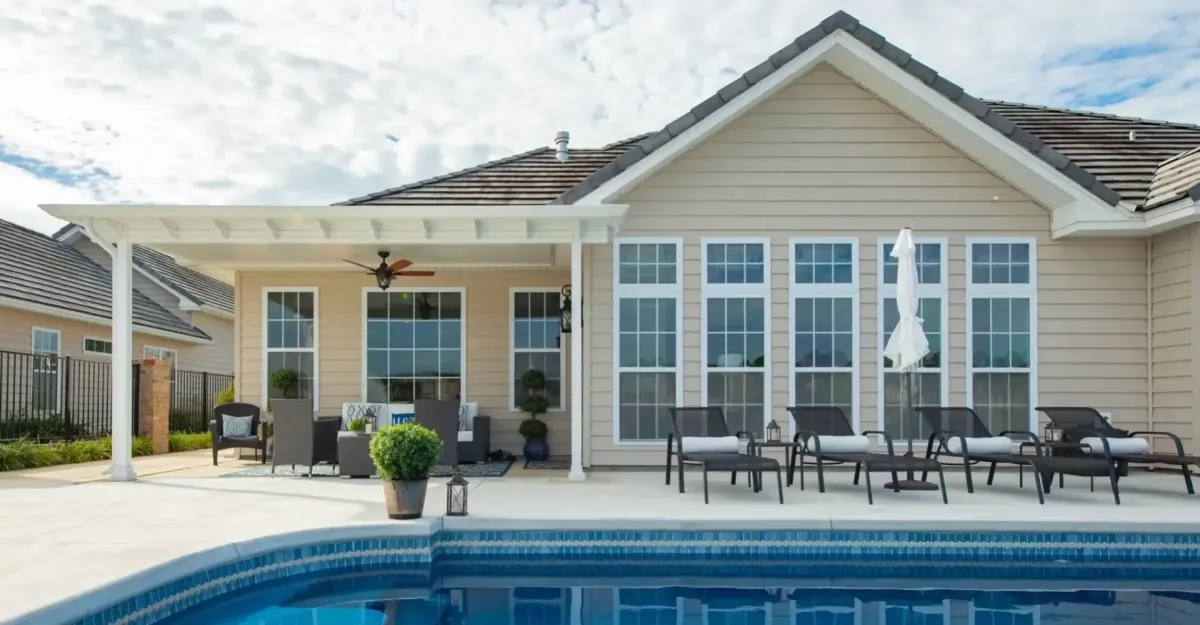
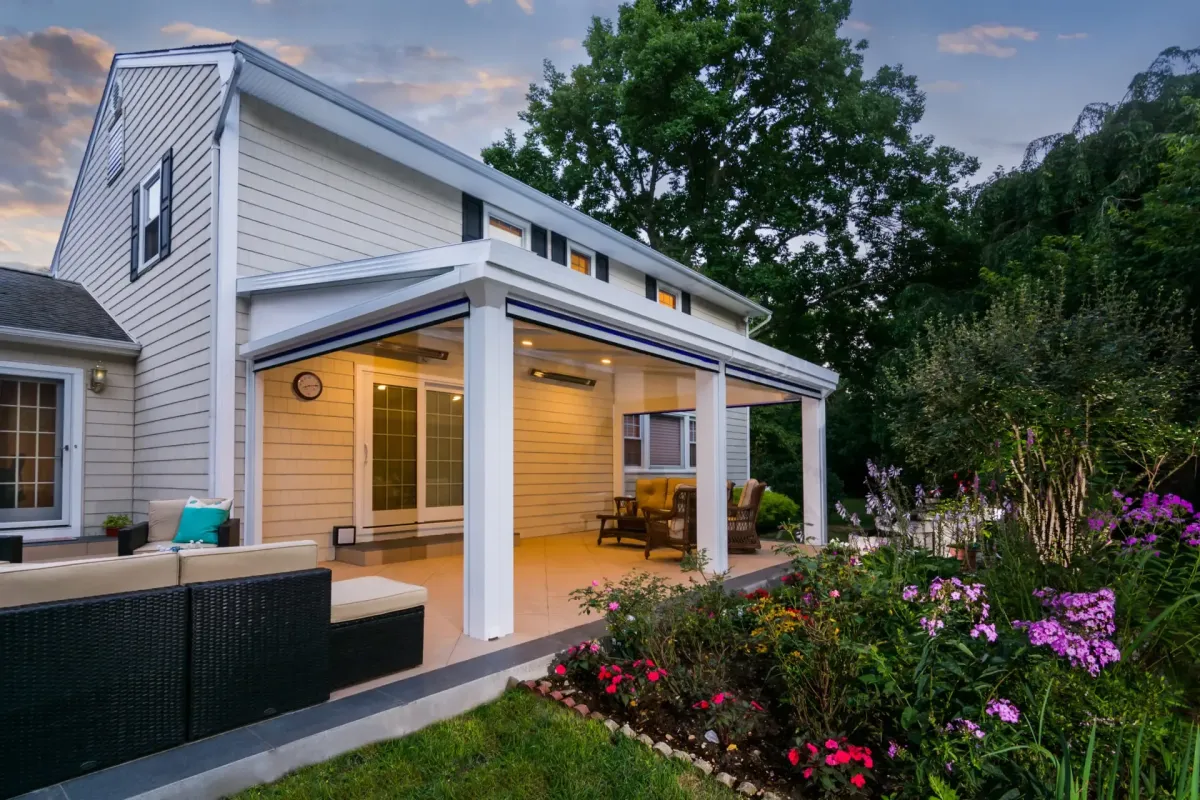
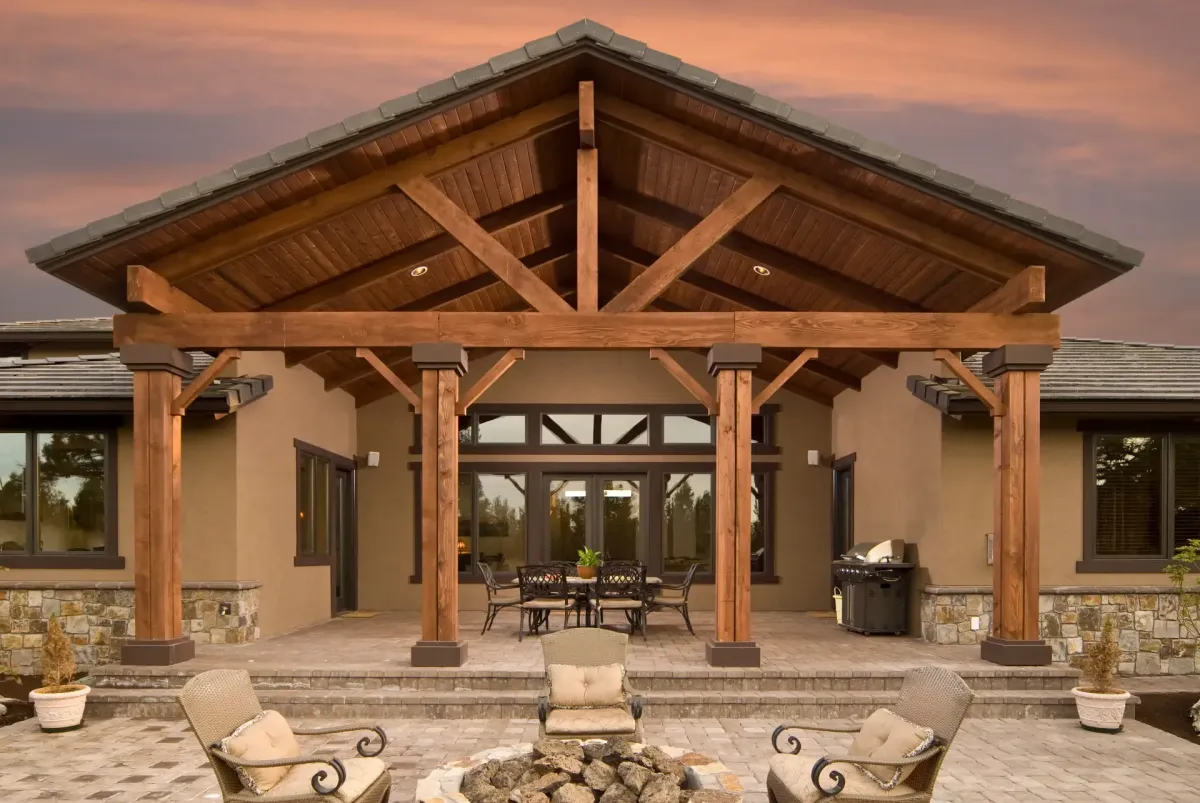
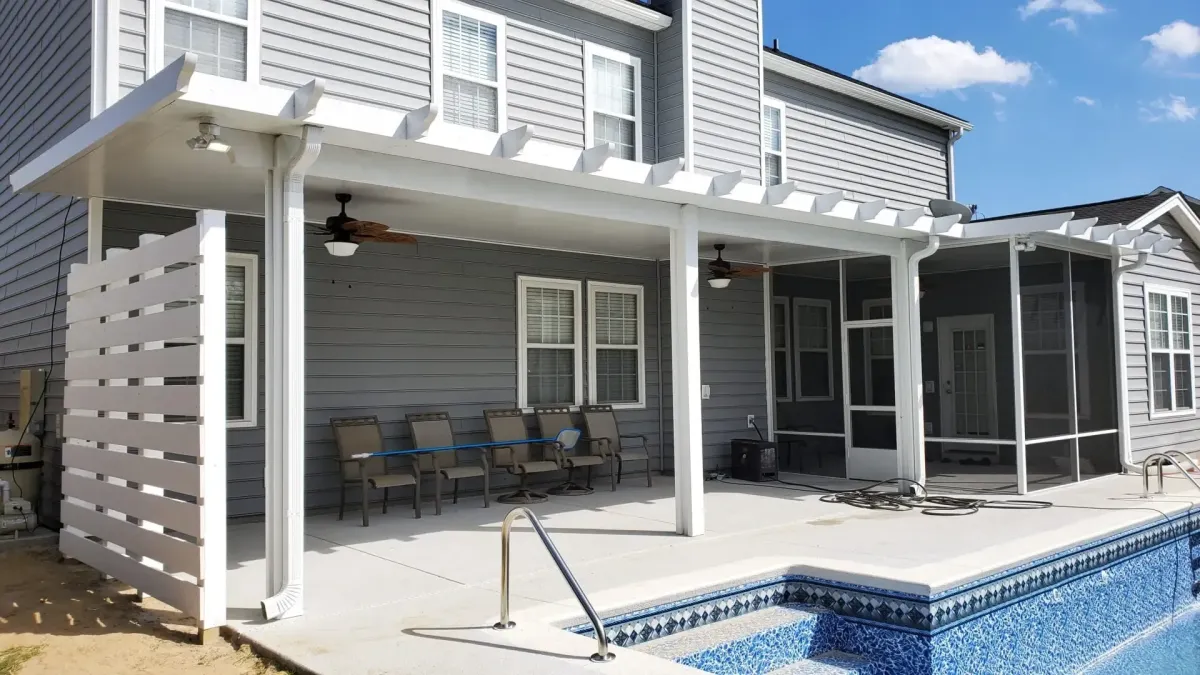
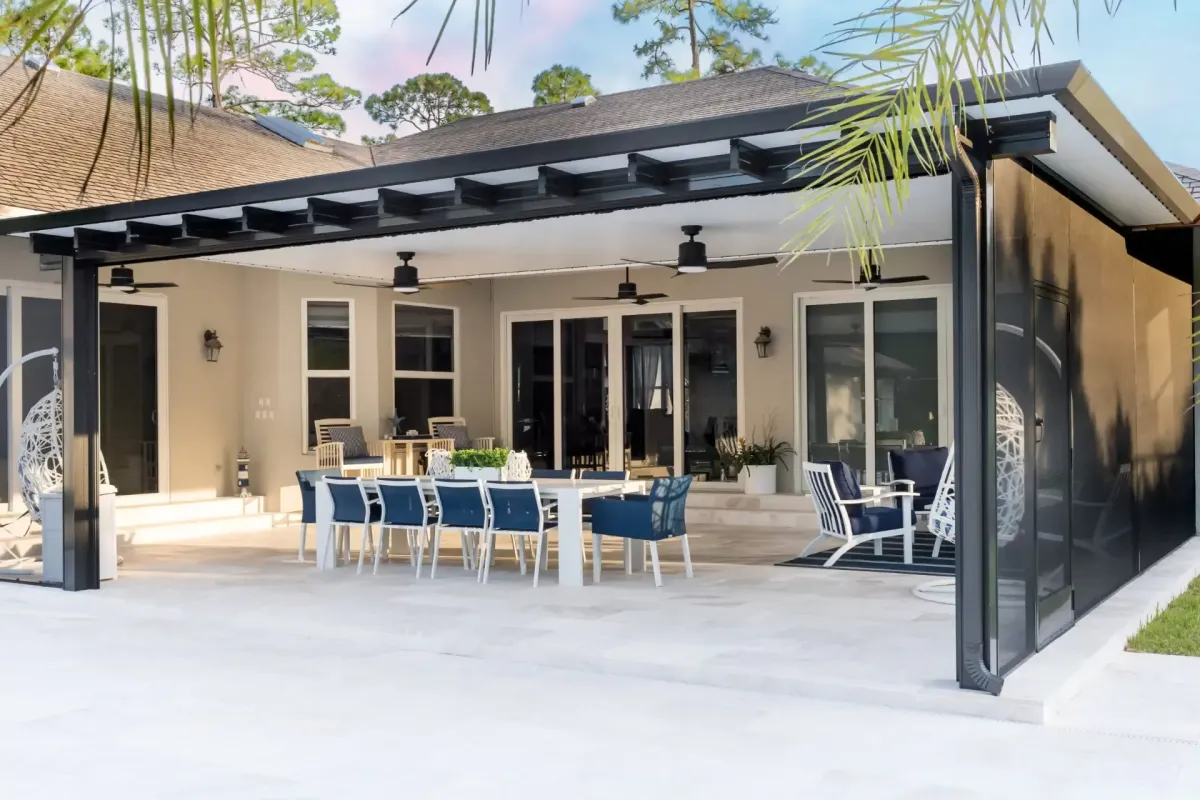
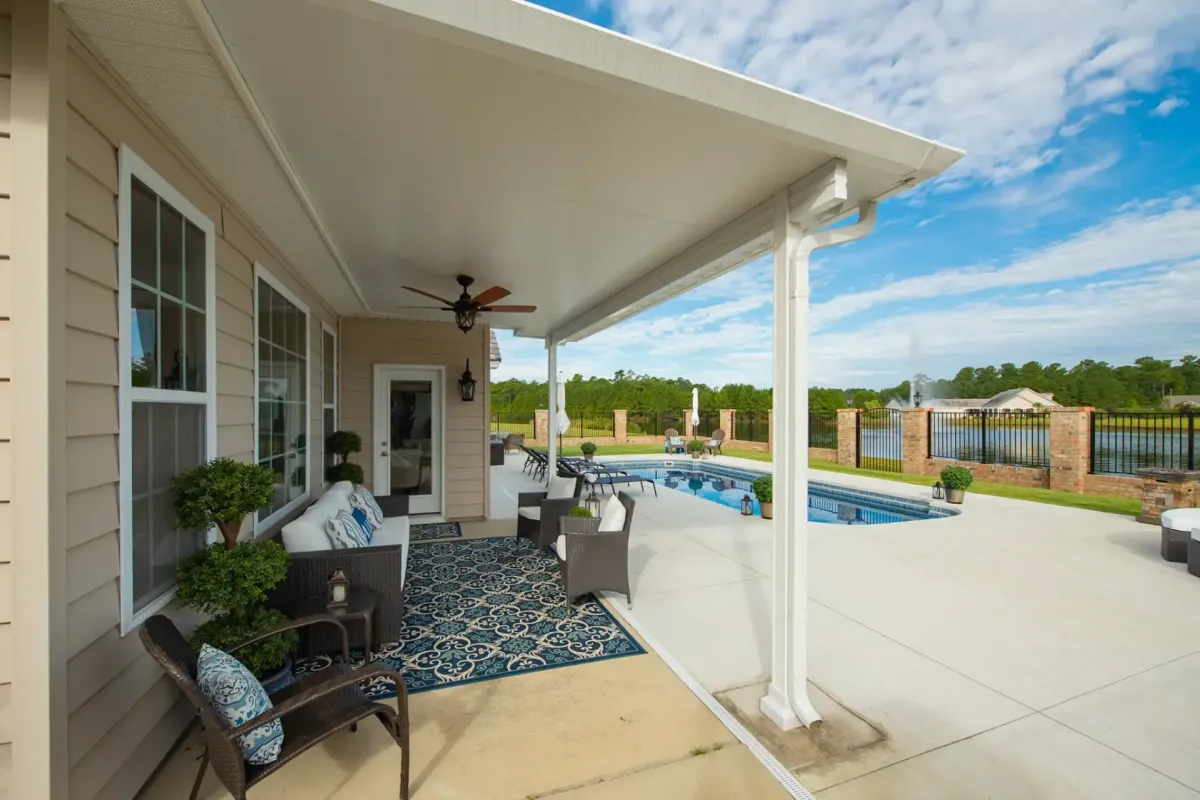
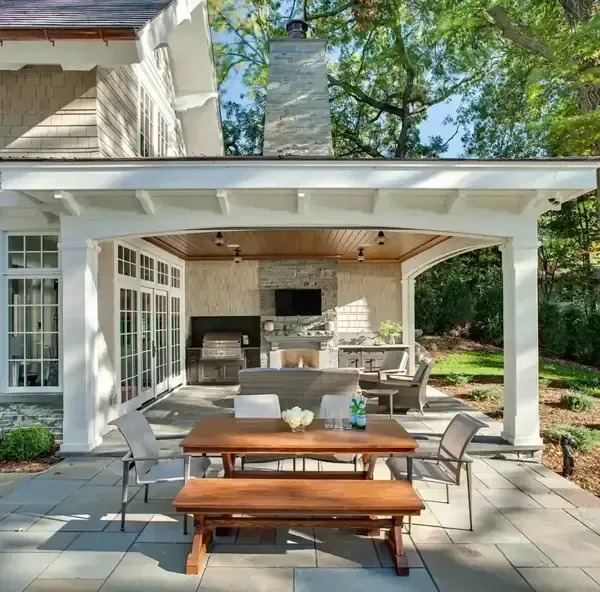
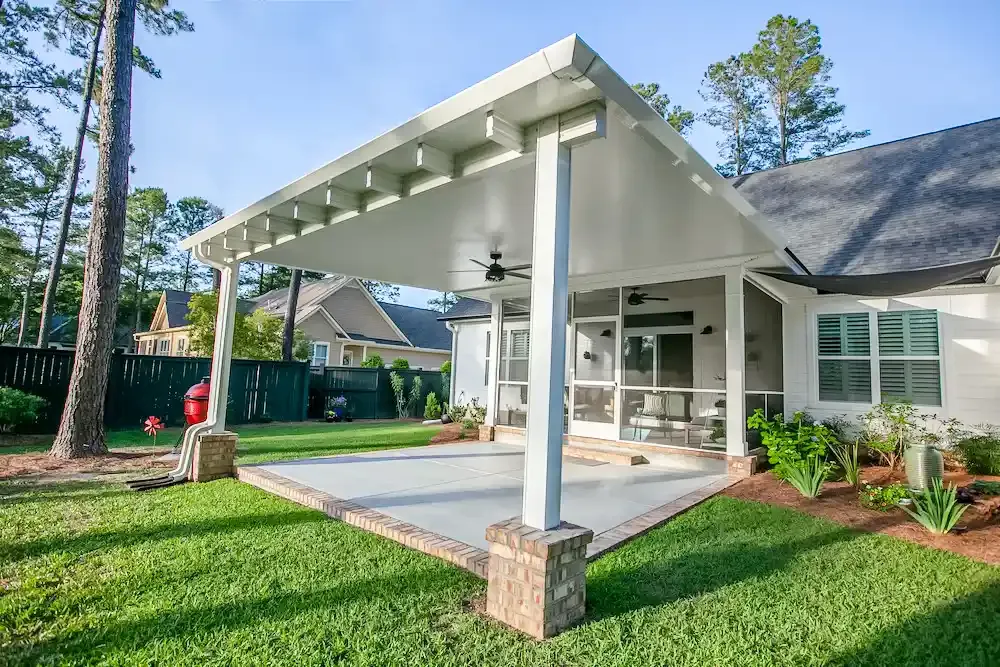
Custom patio covers transform backyard spaces into comfortable, usable outdoor rooms. They add shade, protect furniture from sun and rain, and create a shaded area for relaxing or entertaining. In Boerne, TX — where summers get hot and sun exposure is strong — a well-designed patio cover makes outdoor living more enjoyable. This guide walks through design choices, materials, installation steps, and practical maintenance tips so you can pick the right cover and keep it performing for years.
Beyond immediate comfort, a well-considered patio cover affects how you use your property: it can define outdoor living zones, protect investment items like grills and furniture, and influence year-round usability. Early planning that considers sun angles, prevailing winds, sightlines, and how the space connects to your home's interior will make the end result feel intentional and useful.
Everything You Need to Know About Custom Patio Covers in Boerne, TX
A custom patio cover is built to fit your home and lifestyle, offering tailored shade, shelter, and style. They come in many styles and materials so you can match the cover to your house and yard. This guide breaks down the options and process—design ideas, material pros and cons, installation steps, and upkeep advice—to help you make an informed decision.
Use this as a planning tool: note priorities (durability, low maintenance, aesthetics), outline how you plan to use the space (dining, cooking, lounging, storage), and consider how much time and budget you can dedicate to maintenance. These choices narrow material and design options and help contractors provide accurate proposals.
Design Options:
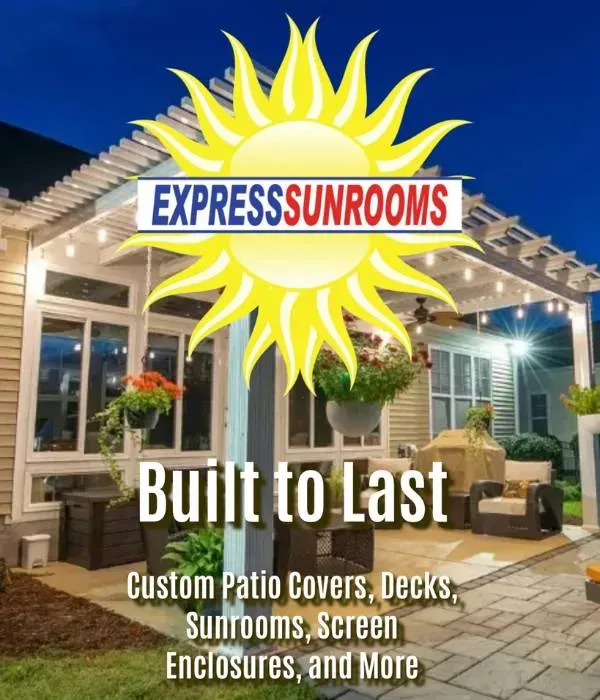
When planning a custom patio cover, consider a style that complements your home's architecture and how you’ll use the space. Popular choices span modern, traditional, and rustic looks, and you can add practical touches to boost comfort and function.
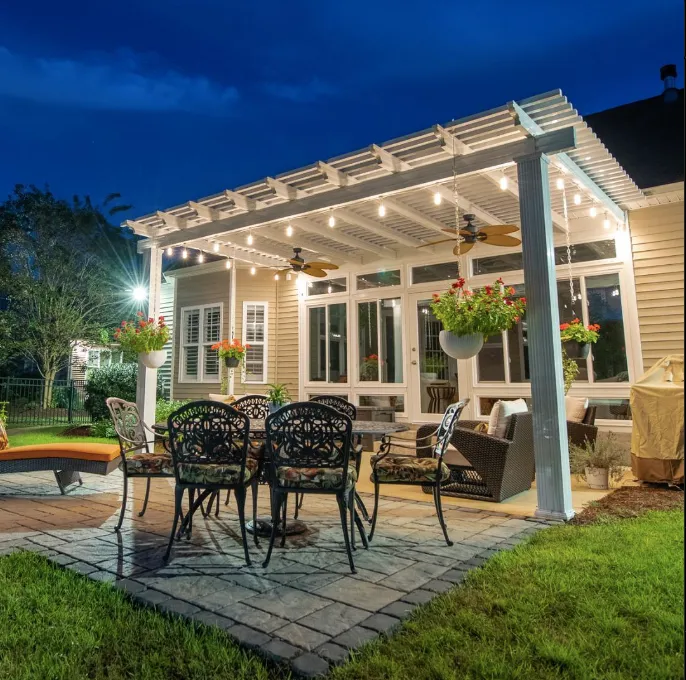
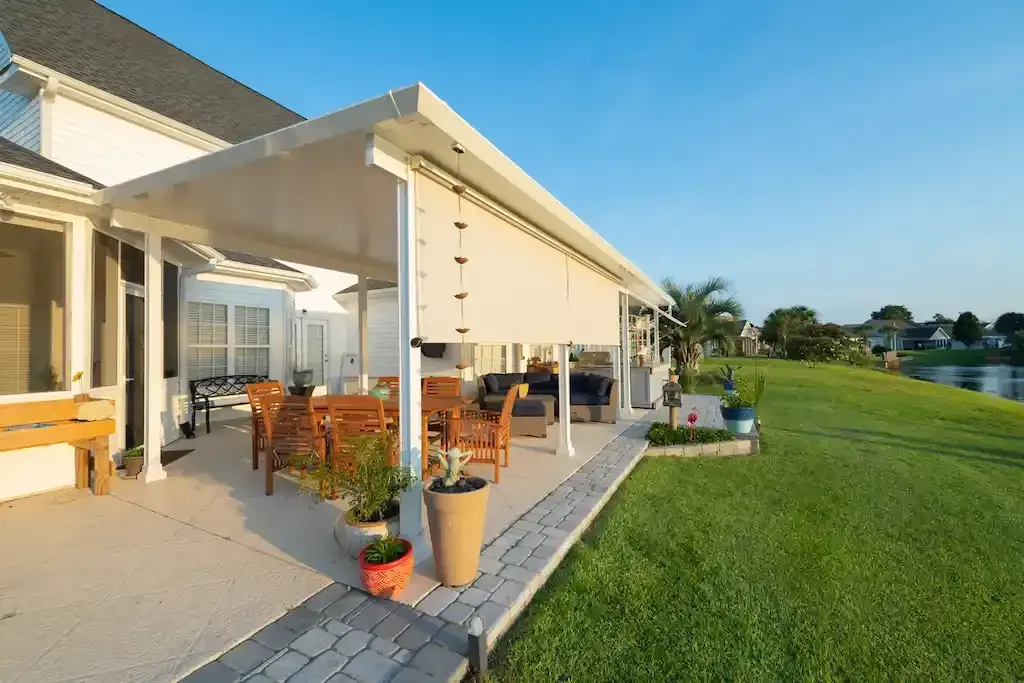
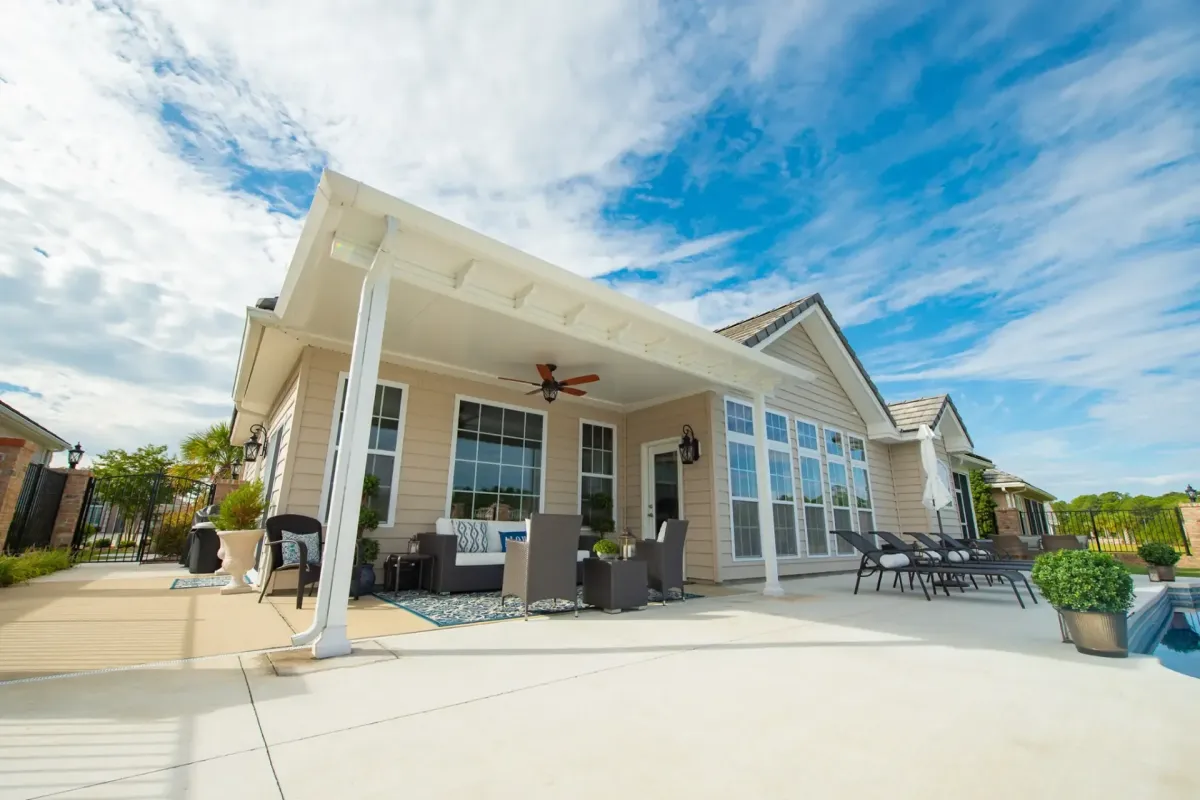
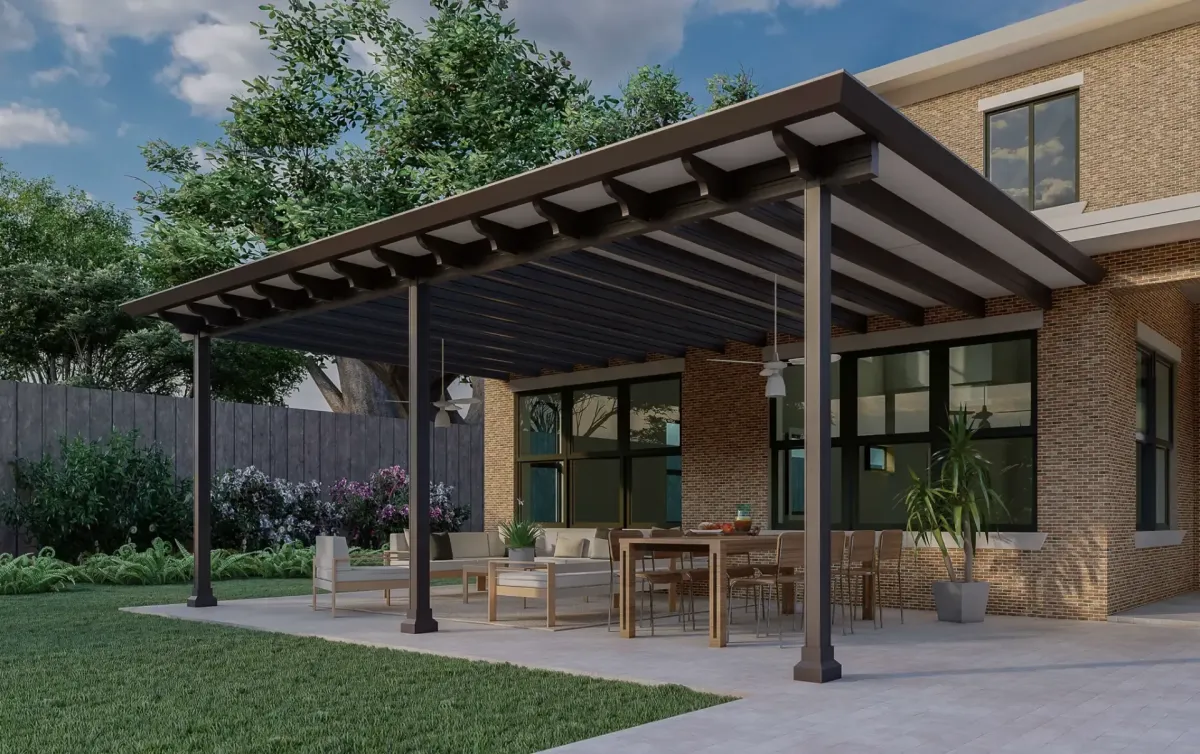
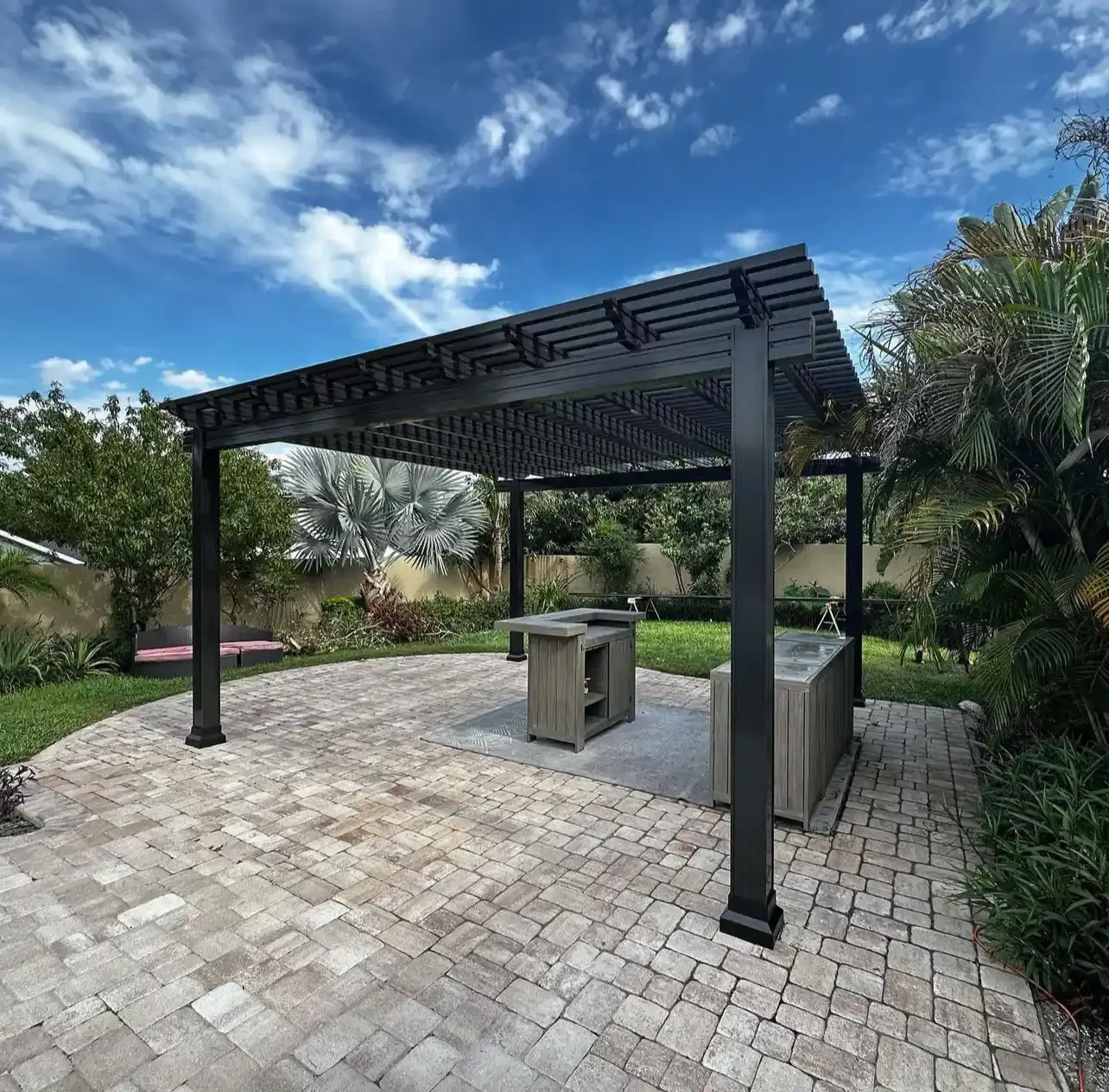
Roof forms and structural expressions influence both appearance and performance. A flat roof or single-slope canopy can deliver a contemporary profile and simple water run-off, while a pitched or gabled cover can match a traditional home and provide better clearance for fans and lighting. Open-lattice or pergola sections allow filtered sunlight and create visual texture while attached, fully roofed sections provide maximum weather protection.
- Style : Choose from modern, traditional, or rustic designs that harmonize with your home's exterior and neighborhood.
- Features : Add lighting, ceiling fans, heaters, or integrated wiring to make the space comfortable day and night.
- Customization : Tailor details like trim, paint color, and built-in elements so the cover feels like a natural extension of your home.
Thoughtful placement of columns, trim, and soffit details helps the cover read as part of the home rather than an add-on. Consider transitional elements such as steps, short walls, or matching flooring to create a smooth indoor-outdoor flow.
Material Choices:
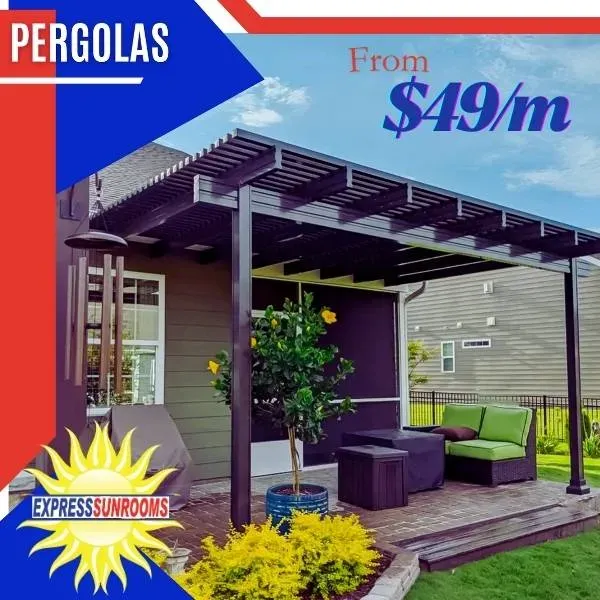
Picking the right material affects looks, longevity, and upkeep. Common options are wood, aluminum, and vinyl — each offers different levels of durability, maintenance needs, and cost.
Consider how each material responds to exposure (sun, moisture, heat), how often you are willing to perform upkeep, and aesthetic goals. For example, if you want a warm, natural appearance and are prepared to maintain finishes, wood can be ideal. If low upkeep and long-term corrosion resistance are priorities, metal options are strong contenders.
| Material | Durability | Maintenance |
|---|---|---|
| Wood | High | Requires regular sealing and painting |
| Aluminum | Very High | Minimal maintenance, resistant to rust |
| Vinyl | Moderate | Easy to clean, but may fade over time |
Reviewing each material’s strengths will help you match performance to your budget and the local climate. Also consider how finishes and fasteners are specified: powder-coat colors, stainless or galvanized connectors, and UV-stable paints or sealants all extend useful life.
Installation Processes:
Installing a custom patio cover follows several clear steps to ensure a safe, long-lasting result. Professionals typically manage the project from planning through final checks.
A reliable installer coordinates permits, excavation or footing work, structural connections to the house, and any electrical or lighting tasks. Clear communication about timelines, staging areas for materials, and protection for existing landscaping reduces the chance of surprises.
- Initial Consultation : Discuss style, materials, and budget with your installer to settle on a plan.
- Site Preparation : Clear and prepare the area, including any grading or removal of obstacles.
- Foundation Construction : Build a secure foundation—posts, footings, or connections—to support the structure.
- Final Inspections : Verify the installation meets safety standards and local codes before use.
During installation, expect a sequence of site protection, layout and measurement checks, foundation or post embedding, frame assembly, roofing or lath installation, and finishing touches such as trim, paint, and fixtures. If electrical work is needed, schedule it after rough framing and before soffits or ceiling finishes are installed.
Maintenance Tips:
Routine maintenance keeps a patio cover looking good and functioning well. Simple, regular care prevents small issues from becoming costly repairs.
A seasonal checklist—spring and fall inspections with light winter and summer checks—helps catch corrosion, finish wear, and water infiltration early. Keep a small log of maintenance tasks and dates to track what was done and when.
- Regular Cleaning : Remove leaves and debris and rinse surfaces to prevent buildup and staining.
- Inspection for Damage : Check seals, fasteners, and structural elements after storms and seasonally.
- Protective Coatings : Apply sealants or paint to wood and other susceptible materials to extend life.
What Are Custom Patio Covers and Why Choose Them in Boerne, TX?
Custom patio covers are purpose-built structures that provide shade and shelter for outdoor living areas. In Boerne, they’re a smart investment: they make yards more usable, protect outdoor furniture, and can boost curb appeal and resale value.
They differ from off-the-shelf kits because a custom design accounts for the specifics of your site: roof tie-in details, drainage patterns, desired sightlines, and integration with existing decks or patios. A tailored solution often results in fewer compromises and a higher-quality final product.
- Weather Protection : Shield your outdoor furniture and living areas from sun and rain to lengthen their lifespan.
- Increased Usability : Use your patio more often—day or night, in heat or light rain—when it’s properly covered.
- Aesthetic Appeal : Thoughtful, custom designs enhance your home’s look and may attract buyers when you sell.
Benefits of Custom Patio Covers for Texas Climate
In Texas, patio covers offer practical comfort and protection. They reduce heat, block UV rays, and, when built with the right materials, withstand local weather extremes.
Strategic orientation and roof overhangs help manage direct sun during peak hours, while ventilated ceiling assemblies or reflective finishes reduce heat buildup underneath the cover. Good drainage design and reliable flashing at house connections prevent water intrusion during heavy rain.
- Temperature Regulation : A cover keeps outdoor spaces cooler during hot months so you can enjoy the yard without excessive heat.
- UV Protection : Blocking direct sun protects skin and prevents fading of outdoor furnishings.
- Durability Against Weather Conditions : Choosing durable materials helps your cover resist wind, sun, and seasonal moisture for longer life.
How Customization Enhances Outdoor Living Spaces
Customization lets you design a patio cover that fits how you live—whether that’s quiet mornings, big gatherings, or an outdoor kitchen setup. Small choices make a big difference in everyday use.
Consider integrated storage, built-in seating or counters, concealed lighting, and electrical access points to support entertainment and convenience. Motorized shades or screens can be specified to add privacy and storm protection without changing the overall structure.
- Functional Features : Built-in lighting, fans, and outlets make the space more comfortable and convenient.
- Aesthetic Options : Select colors, finishes, and trim that match your home for a cohesive look.
- Personalization : Add unique details that reflect your style and how you want to use the space.
Which Materials Are Best for Patio Covers in Boerne TX?
The best material depends on your priorities: appearance, maintenance level, and budget. Wood, aluminum, and vinyl are popular choices with distinct trade-offs.
When deciding, think about how exposure and maintenance expectations interact. If you prefer a low-maintenance solution, metal options with durable finishes will reduce seasonal chores. If you favor a certain architectural character and are willing to maintain finishes, traditional materials can deliver that look.
- Wood : Offers a warm, natural look but requires ongoing care to prevent rot and insect damage.
- Aluminum : Stands up to sun and moisture with minimal upkeep—an excellent choice for durability.
- Vinyl : Affordable and low-maintenance, though it can fade and may not last as long as aluminum.
Comparing Aluminum, Wood, and Vinyl Patio Covers
Comparing materials side-by-side helps you weigh performance against cost and maintenance.
| Material | Durability | Maintenance Needs | Cost |
|---|---|---|---|
| Aluminum | Very High | Low | Moderate |
| Wood | High | High | Moderate to High |
| Vinyl | Moderate | Low | Low to Moderate |
In addition to raw material characteristics, consider related costs such as painting or staining, replacement hardware, and the expected service life of roofing or lath materials. Factor in likely maintenance time and expense when comparing long-term value.
Durability and Maintenance Considerations for Each Material
Knowing how each material ages and what upkeep it needs helps avoid surprises down the road.
- Wood : Beautiful but maintenance-heavy—plan for regular sealing, painting, and inspections for rot or pests.
- Aluminum : Low maintenance and corrosion-resistant, making it a practical, long-lasting option.
- Vinyl : Easy to clean and maintain; expect some fading over time and potentially earlier replacement than metal options.
Pay attention to fasteners and connection points where materials meet masonry or siding. Proper flashing and movement joints prevent water trapping and paint failure, which are common causes of premature deterioration.
How Does the Patio Cover Installation Process Work in Boerne TX?
Installation typically follows a step-by-step workflow to ensure code compliance and a durable build. Working with an experienced installer streamlines the process and reduces unexpected delays.
Expect a typical timeline to include planning and permitting, site work, foundation and framing, roofing or lath work, and finishing. Weather can affect sequencing, so allow some schedule flexibility. A good contractor will provide milestones and communicate progress clearly.
- Consultation : Finalize design choices, material selection, and timeline with your contractor.
- Preparation : Clear the site, mark utilities, and make any necessary ground adjustments.
- Foundation Work : Install footings, anchor points, or attachments to the house as required.
- Construction : Build and assemble the cover to specifications, including electrical or lighting installs if needed.
- Final Inspection : Confirm the work meets local codes and that all finishes are complete.
What Are the Cost Factors and Financing Options for Custom Patio Covers?
Several elements determine cost: material, design complexity, size, and any added features like lighting or built-ins. Understanding these drivers helps you plan a realistic budget.
Additional cost influences include site access (difficult access can increase labor), foundation type, existing roof tie-ins that require flashing or repair, and whether electrical or plumbing work is necessary. Request itemized bids so you can compare apples-to-apples between contractors.
- Material Choice : Material quality and type have a major influence on final price.
- Design Complexity : Intricate designs and custom details increase labor and material costs.
- Size : Larger structures require more materials and longer build time, increasing cost.
Ask contractors about financing and payment plans—many offer options to spread out the investment over time.
Available Financing and Budgeting Tips for Boerne Homeowners
If cost is a concern, several approaches can make a patio cover more affordable while preserving quality.
Start by prioritizing features: decide which items are essential and which can be deferred. For example, plan for the structural shell now and add lighting or automated shades later. Staged upgrades let you spread costs while still getting a professionally built structure.
- Flexible Payment Plans : Many installers offer financing or staged payment schedules to ease cash flow.
- Understanding Cost Factors : Prioritize the features that matter most so you can allocate budget efficiently.
- Long-Term Value Considerations : Investing in durable materials and professional installation often pays off with lower maintenance and higher resale value.
How to Maintain and Extend the Life of Your Patio Cover in Boerne TX?
Regular, simple maintenance keeps your patio cover safe and looking great. A small time investment each season prevents costly repairs later.
Create a maintenance calendar with quarterly or semi-annual tasks such as cleaning gutters, rinsing surfaces, tightening visible fasteners, and checking seams and flashing. Keep a small kit of replacement fasteners, touch-up paint, and sealant accessible to address minor items quickly.
- Regular Cleaning : Sweep or rinse off debris and check for clogged gutters or drainage issues.
- Protective Treatments : Reapply sealants or paints as recommended—especially on wood—to guard against moisture and sun.
- Seasonal Care : Inspect after storms, secure loose elements, and winterize or prep for peak summer heat as needed.
Routine Maintenance Tips for Different Patio Cover Materials
Each material has a few specific steps to keep it in top condition.
- Wood : Look for rot or insect damage and re-seal or paint on schedule to protect the wood.
- Aluminum : Wash with mild soap and water and check fasteners for tightness.
- Vinyl : Wipe down occasionally to remove dirt and reduce fading from sun exposure.
For all materials, inspect where the cover meets the house and around penetrations for potential water paths. Promptly re-caulk or re-flash areas where sealants have failed to maintain a watertight envelope.
Weather Protection and Repair Strategies for Longevity
Proactive care and quick repairs extend the life of any patio cover.
Keep an eye out for early warning signs like peeling finishes, loose fasteners, water stains, or sagging members. Addressing these items promptly reduces the likelihood of larger structural repairs. For significant storm damage, engage a qualified contractor to assess and repair structural components safely.
- Regular Inspections : After storms or heavy wind, check for loose connections, dents, or water intrusion.
- Prompt Repairs : Fix small issues—loose screws, cracked trim—before they worsen.
- Protective Measures : Use tarps or temporary covers during extreme weather and ensure proper drainage around the structure.
How Do Custom Patio Covers Integrate with Pergolas, Decks, and Screen Rooms?
Patio covers can be combined with decks, pergolas, and screens to create multi-use outdoor areas. Thoughtful integration improves flow and functionality across the whole yard.
Successful integration requires consistent material choices, careful detailing at junctions, and attention to drainage and movement where newer and older elements meet. Consider whether spaces should be open to each other or separated by screens or screens/plantings for privacy and insect control.
- Design Considerations : Match materials and proportions so the new and existing structures feel cohesive.
- Functional Benefits : Combining elements creates versatile spaces for dining, relaxing, and entertaining.
- Aesthetic Enhancements : Coordinated finishes and lighting unify the look and elevate curb appeal.
Design Options for Combining Patio Covers with Other Outdoor Structures
When merging structures, consider how each element will be used and how they’ll look together.
- Combination Structures : Blend patio covers with pergolas or decks for layered shade and visual interest.
- Attached vs. Freestanding Designs : Decide whether to anchor the cover to the house for stability or build a standalone unit for flexibility.
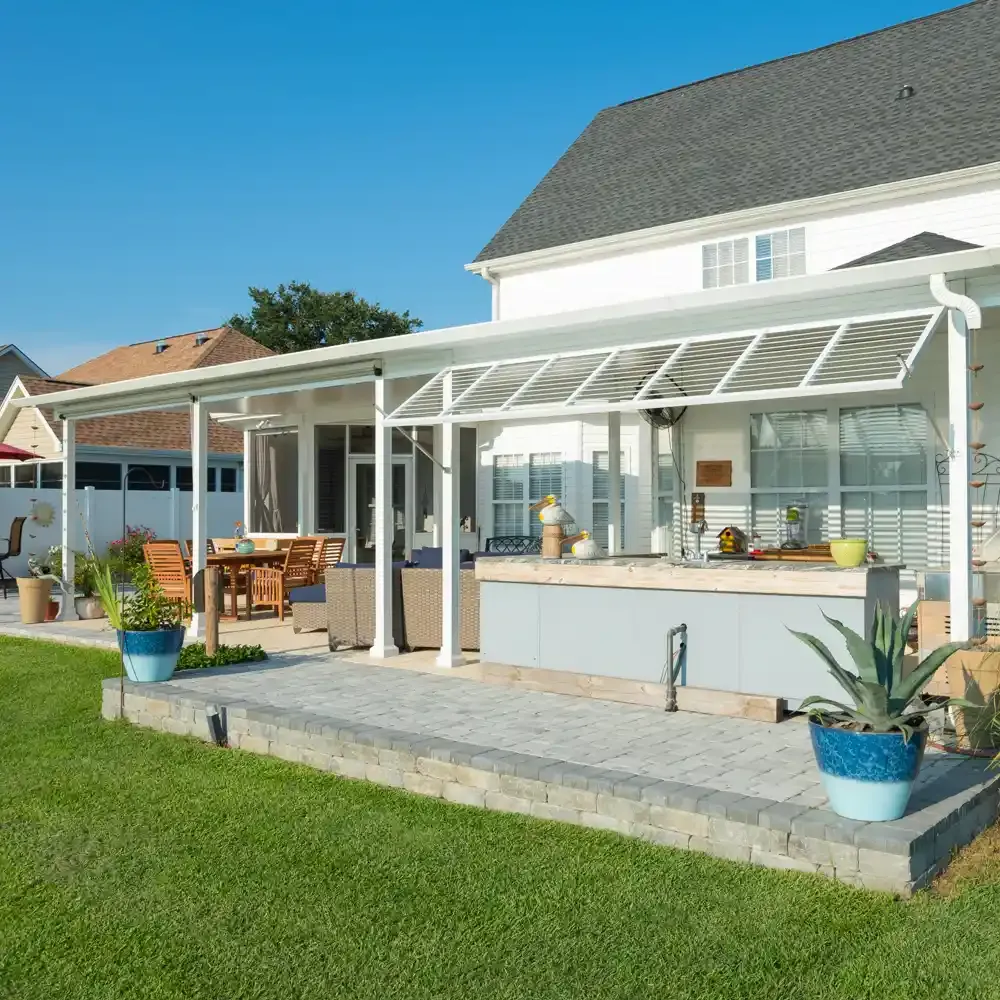
- Outdoor Kitchen Integration : Plan for ventilation, wiring, and durable finishes if you’ll incorporate cooking or bar areas.
If you plan to integrate a grill or cooktop, think about clearances, ventilation routes, and the finish materials near heat sources. Durable, easy-to-clean surfaces near cooking zones reduce maintenance and keep the area safe.
Enhancing Outdoor Shade Solutions with Multi-Functional Spaces
Designing multi-purpose outdoor areas makes the most of your property. Thoughtful planning delivers spaces that work for everyday life and entertaining.
Allocate zones for different activities—dining, lounging, and prep—so furniture and circulation feel natural. Use lighting, area rugs, and low walls or planters to define zones without blocking sightlines.
- Design Considerations : Allocate zones for dining, lounging, and cooking to keep traffic and functions organized.
- Material Options : Choose materials that balance shade, durability, and ease of care for your intended uses.
- Practical Examples : Create smooth transitions between indoors and outdoors with matching flooring, lighting, and covered walkways.
What Local Regulations and Permits Are Required for Patio Covers in Boerne TX?
Before you build, check local rules and permit requirements. Planning ahead reduces surprises and keeps the project on schedule.
Typical permit requirements include a site plan showing the location of the proposed structure, elevation drawings that demonstrate height and roof connections, and structural details for foundations and framing. Your contractor can usually prepare or coordinate these documents to meet local standards.
- Permit Requirements : Identify which permits are needed for construction in your area.
- Application Process : Learn the steps, fees, and timelines for permit approval so you can plan accordingly.
- Setback and Height Restrictions : Confirm local zoning rules that could affect placement, size, or roof height.
Boerne Building Codes and Permit Application Process
Understanding local building codes and permit steps keeps installations lawful and avoids costly rework. Consult local authorities or your contractor to confirm requirements.
Early in the design process, ask your contractor which documents they will submit and what you should expect for review timelines. If your property is subject to additional review (for example, within a historic area or subject to specific neighborhood covenants), factor that into the project schedule.
- Permit Requirements : Determine which specific permits apply to patio cover construction in Boerne.
- Zoning Codes and Regulations : Review setback, height, and use rules that might influence your design.
- HOA Considerations : If you belong to an HOA, check their rules for approvals, styles, and materials.
How to Ensure Compliance and Avoid Installation Delays
To prevent delays, gather required documents early and maintain clear communication with your contractor and local officials.
Provide accurate property measurements, utility locations, and any existing site constraints to your contractor during the bid phase. Submit complete permit packages and be responsive to any questions from the permitting office to speed approvals.
- Common Regulatory Issues : Be aware of permit hold-ups, incomplete plans, or unexpected setback conflicts that often slow projects.
- Best Practices for Timely Installation : Submit complete permit packages, confirm utility locations, and schedule inspections in advance.
- Documentation and Communication Tips : Keep records of approvals and maintain open lines with contractors and permitting offices to resolve questions quickly.
What Do Customers Say About Custom Patio Covers from Express Sunrooms TX?
Customer feedback helps show real-world results—how designs look and perform after installation. Reviews and case studies highlight workmanship, timelines, and the homeowner experience.
Recent Case Studies and Project Galleries from 2025-2026
Recent projects illustrate how different materials and design choices translate in local homes. Galleries and case studies show finished work, helpful for visualizing possibilities.
When reviewing galleries, note details like how rooflines tie into existing siding, how downspouts and gutters are handled, and how electrical fixtures are integrated. These visual clues help set expectations for the finished product and indicate attention to detail by the installer.
Customer Testimonials and Review Highlights
Testimonials often praise craftsmanship, responsiveness, and the functional improvements a patio cover brings. Reading reviews gives prospective buyers confidence in choosing a reputable installer.
Pay attention to comments about timeliness, communication during the project, and how issues were handled after completion. A contractor who stands by their work and provides follow-up service can reduce long-term maintenance stress.
Frequently Asked Questions
1. What are the typical costs associated with custom patio covers in Boerne, TX?
Costs vary by material, size, and features. Typical ranges are between $2,000 and $10,000 depending on scope. Get multiple quotes to compare prices, and ask contractors about financing if you want to spread payments over time.
When collecting estimates, request an itemized breakdown that shows labor, materials, foundation work, electrical items, and any finish or cleanup fees. This makes it easier to see where money is being spent and where you can adjust specifications to meet budget goals.
2. How do I choose the right contractor for my patio cover installation?
Look for contractors with local experience, strong reviews, and a portfolio of finished work. Verify licenses and insurance, ask for references, and compare detailed written estimates. Clear timelines and communication are also key signs of a trustworthy installer.
Ask potential contractors about warranty terms—both workmanship and material warranties—and how post-installation issues are handled. A written warranty and clear contact for follow-up are important indicators of a reliable business.
3. Can I install a patio cover myself, or should I hire a professional?
DIY may be feasible for skilled homeowners on small, simple projects. But most patio covers involve structural work, footings, and code compliance—situations where a professional reduces risk and ensures the job meets local regulations.
If you consider DIY, be realistic about the time, tools, and skills required. Even with strong DIY skills, some tasks—like electrical work or complex flashing—are best handled by licensed tradespeople to ensure safety and compliance.
4. What are the best practices for maintaining a patio cover throughout the year?
Establish a seasonal routine: clean debris, check fasteners and seals, inspect after storms, and reapply protective coatings on wood as needed. Address small repairs quickly to avoid larger issues later.
Keep basic supplies on hand—mild detergent for washing surfaces, a hand caulk gun with exterior sealant, replacement fasteners, and touch-up paint—to handle minor maintenance promptly and extend the life of the structure.
5. Are there specific design trends for patio covers in Boerne, TX?
Current trends emphasize open-air designs that blend with natural surroundings, integrated lighting and ceiling fans for comfort, reclaimed or rustic wood accents, and multi-functional layouts that include outdoor kitchens or dining zones.
Mixed materials and layered shading—combining a solid roof with adjacent pergola elements—are popular because they provide weather protection while retaining visual openness and varied light.
6. How do local weather conditions affect the choice of materials for patio covers?
Climate matters: in hot, humid areas like Boerne, low-maintenance, weather-resistant materials such as aluminum are popular. Wood offers a warm look but needs more upkeep, while vinyl is budget-friendly but can fade over time. Match materials to local conditions and your maintenance plan.
Consider how materials perform under strong sun, temperature swings, and seasonal storms. Durable finishes and properly specified fasteners reduce the chance of premature wear in challenging weather conditions.
7. What are the benefits of integrating a patio cover with other outdoor structures?
Integration creates cohesive, multi-use outdoor living areas. Combining patio covers with decks or pergolas improves shade, increases usable space for entertaining, and elevates the property’s overall appearance and value.
Thoughtful integration also makes maintenance and use simpler: a single, coherent design with compatible materials and clear drainage paths reduces water issues and simplifies upkeep across the connected elements.
Conclusion
A custom patio cover is a practical upgrade for Boerne homeowners—providing shade, extending outdoor living, and improving property appeal. Choose materials and designs that fit your lifestyle, follow a regular maintenance plan, and work with experienced professionals to ensure a durable, attractive result. Start exploring options now and create an outdoor space you’ll use year-round.
Begin by listing priorities and taking basic measurements, then gather two or three detailed bids to compare approaches. With thoughtful planning and the right materials, a custom patio cover can be a long-lasting, high-value addition to your home.