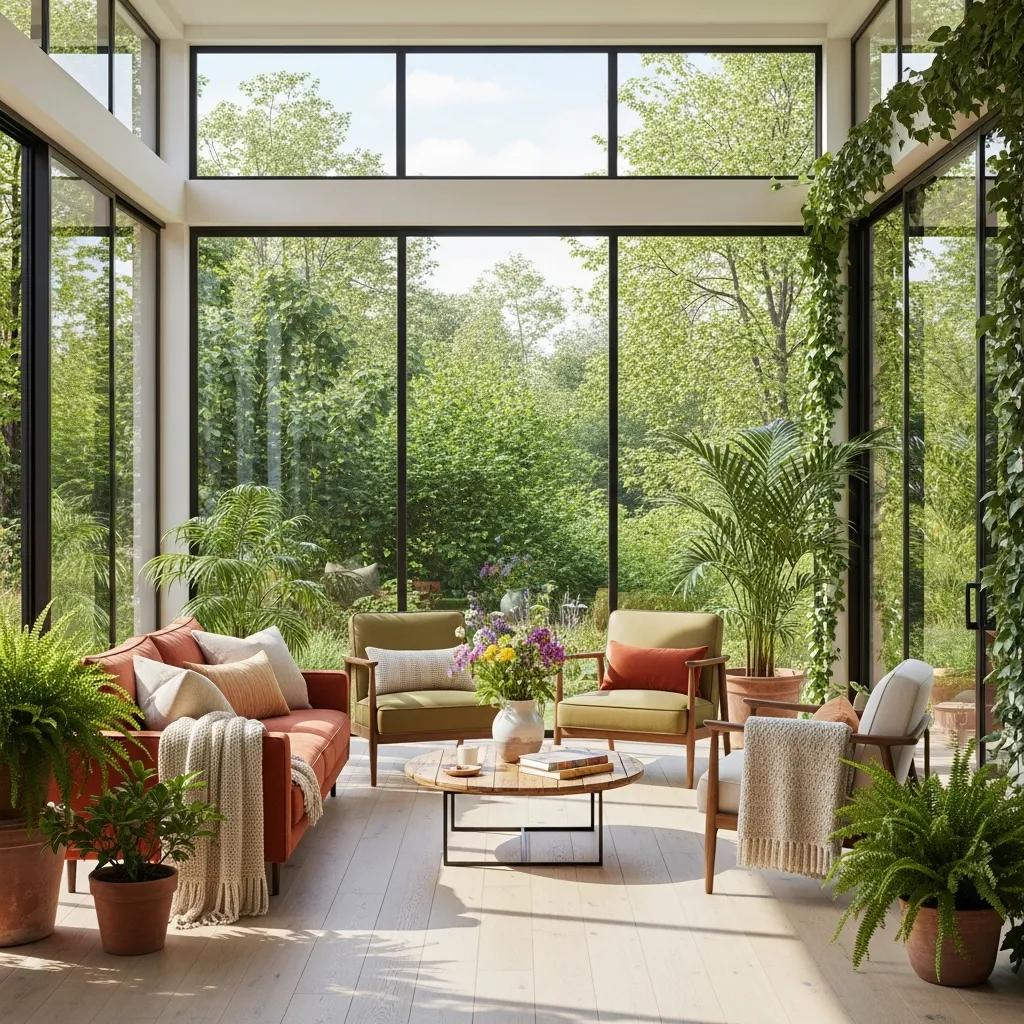
Discover the Best Sunroom Designs for Your Texas Home
Sunroom Designs for Texas Homes: Smart Ideas, Comfort Tips, and Installation Guidance

A sunroom adds usable square footage and brings the outdoors in — but in Texas it also has to handle heat, humidity, and storms. This practical guide shows which sunroom types work best for Texas climates, how styles can match your home, the measurable benefits of a quality build, the typical installation process in San Antonio, and what to expect for cost and financing in 2025. You’ll get clear advice on materials and glazing, shading and HVAC strategies for energy efficiency, and ways to pair your sunroom with today’s outdoor‑living trends like smart controls and low‑maintenance landscaping. We compare all‑season, three‑season, conservatory, and screened options and map features to outcomes so you can prioritize durability, comfort, and long‑term value. Use these insights to make confident decisions about design, performance, and return on investment.
What Are the Top Sunroom Types for Texas Homes?

“Sunroom” covers several common builds — All‑Season, Three‑Season, Conservatory, Screen Room, and Patio Enclosure — each suited to different uses and budgets. In Texas the most important differences are insulation and glazing, HVAC integration, insect protection, and how well the assembly resists UV and heat. Those technical choices determine whether the space is comfortable year‑round or best used seasonally. Below we compare each type with Texas‑focused pros and cons so you can match your goals and budget to the right option. A quick comparison table follows for easy scanning.
Common sunroom types and what they mean for Texas homeowners:
All‑Season Sunroom: Fully insulated, sealed windows, built for HVAC integration and year‑round use.
Three‑Season Sunroom: Partial insulation and simpler glazing; best for spring–fall use with fans or portable cooling.
Conservatory: Distinctive glass‑roofed space that prioritizes light — needs upgraded glazing to control Texas heat.
Screen Room / Patio Enclosure: Lightweight with screens or basic panels, prioritizes airflow and insect protection.
Those options trade initial cost against thermal performance and year‑round usability — the right choice depends on how you plan to use the room.
Intro to table purpose: Use the table below to compare insulation, HVAC needs, and typical uses for each sunroom type in Texas.
Sunroom TypeInsulation & GlazingHVAC NeedsTypical Use / ProsAll‑Season SunroomInsulated walls with low‑E double‑pane windowsIntegrated HVAC or ductless mini‑splitComfortable year‑round; best energy controlThree‑Season SunroomBasic glazing, limited insulationCeiling fans or portable unitsLower cost; great for shoulder seasonsConservatoryExtensive glass; tempered or low‑E panels recommendedOften needs HVAC for comfortVery light‑filled; ideal for plants and viewsScreen Room / Patio EnclosureScreens or acrylic panelsMinimal — passive ventilationInsect protection; enhances outdoor living
In short: all‑season rooms cost more up front but give reliable comfort year‑round; screened and three‑season builds are less expensive but offer limited thermal control.
How Do All‑Season Sunrooms Suit the Texas Climate?
All‑season sunrooms are built with thermal control in mind: insulated framing, low‑E double glazing, and a planned HVAC approach keep indoor temperatures steady even when it’s hot outside. Low‑emissivity coatings and insulated glass lower the solar heat gain coefficient (SHGC) and reduce UV damage inside the home. In Texas, pairing insulated glazing with a ductless mini‑split or connecting the room to your existing conditioned space gives the best humidity and temperature control. Thoughtful orientation, shading, and thermal breaks in framing make the space usable all year — morning light without overheating, and comfortable evenings when temperatures drop. If budget is tight, three‑season or screened options remain viable short‑term alternatives that can be upgraded later.
Local experts stress that effective sunroom design in Texas must tackle heat, humidity, and solar gain to deliver real year‑round comfort and energy savings.
Green Building for Texas Sunrooms: Climate, Comfort & Energy
Every region needs green‑building strategies that reflect its climate, available materials, and local building traditions. In air‑conditioned parts of the country, the main challenges for comfort and efficiency are outside‑air infiltration, poor orientation, excessive solar heat gain, and internal loads that add humidity and heat. Real and relevant green building, 2008
What Benefits Do Three‑Season and Screen Rooms Offer Texas Homeowners?
Three‑season and screened rooms prioritize airflow and an outdoor feel by using lighter construction, larger operable openings, and insect screens that make temperate seasons very pleasant. These builds usually cost less up front and often face fewer permitting hurdles, while providing shaded, well‑ventilated spaces for dining and relaxing in spring and fall. The trade‑offs are limited thermal control during peak summer and more work if you later want to convert to a full‑season room. Many homeowners plan phased upgrades — start with a screened porch, then add insulated panels and better glazing to move toward all‑season performance when the budget allows.
Which Sunroom Design Styles Are Popular Among Texas Homeowners?
Choose a sunroom style that complements your home and your lifestyle. In Texas popular looks include modern, glass‑forward rooms, rustic sunrooms with timber accents, and traditional conservatory forms that echo classic detailing. Style affects material and finish choices — modern designs favor aluminum and large insulated glass panels, rustic designs use wood or wood‑look finishes and textured flooring, and traditional rooms use divided lites and classic trim. Visual cohesion matters: a mismatched addition can hurt curb appeal, so match rooflines, materials, and color palettes to the main house. Below are common styles and practical finish suggestions for Texas conditions.
Design options and recommended materials:
Modern: Slim aluminum frames, large low‑E glass panes, neutral palettes to keep sightlines open.
Rustic: Timber accents, warm stains, and textured stone or tile flooring for a grounded look.
Traditional: Multi‑pane windows, classic trim, and pitched roofs to blend with historic or cottage homes.
Next we look at coastal, garden, and bohemian variations that support outdoor living while standing up to Texas weather.
What Defines Modern, Rustic, and Traditional Sunroom Styles?
Modern sunrooms emphasize clean lines and transparency, using slim aluminum frames and continuous glass while relying on insulated glazing to keep heat in check. Rustic styles pair heavier frames or faux‑wood vinyl with stone or wide‑plank flooring that wears well and complements landscaped yards. Traditional designs use divided lites, crown and trim work, and pitched roofs or cupolas to match older homes. Material choices — aluminum for low maintenance, vinyl for cost efficiency, wood for warmth — influence durability in humid, sun‑exposed settings. Balance style with long‑term performance to protect your investment and resale value.
How Do Coastal, Garden Paradise, and Bohemian Designs Enhance Outdoor Living?
Expressive styles like coastal, garden‑paradise, and bohemian focus on relaxed palettes, plants, and durable fabrics that tolerate sun and humidity while keeping indoor‑outdoor transitions seamless. Coastal rooms use light colors, moisture‑resistant wicker or composite furniture, and UV‑stable textiles to resist fading. Garden‑paradise layouts add planters, humidity‑tolerant species, and drainage‑friendly flooring for lush greenery without headaches. Bohemian spaces layer textiles, rattan, and eclectic pieces for a multifunctional room that works as dining, lounge, or a home office. Choose humidity‑resistant finishes and include proper shading and ventilation to keep these styles practical year‑round in Texas.
What Are the Key Benefits of Adding a Sunroom in Texas?
A well‑built sunroom brings real benefits: more living space, better natural light, UV protection, fewer pest problems, and potential property‑value gains when built with quality materials and proper insulation. Each benefit ties to clear features — low‑E glass reduces heat and UV, good screens keep insects out, and integrated HVAC extends usable months. The table below links benefits to the features that deliver them and the homeowner outcomes you can expect in Texas climates.
Intro to benefits table: The table below pairs common homeowner benefits with the features that produce them and the likely outcomes you can expect in Texas.
BenefitFeatureExpected OutcomeNatural LightLarge low‑E windowsBrighter rooms without excessive heat gainEnergy EfficiencyInsulated glazing + exterior shadingLower cooling loads and improved comfortProperty ValueQuality finishes and sealed constructionBetter resale appeal and market differentiationPest & Weather ProtectionDurable screens and sealed framesLess insect intrusion and improved weather resistance
That mapping shows how features like low‑E glass and proper sealing create measurable comfort and value improvements. Quick benefit summary:
Expanded Living Space: Adds usable square footage for family time and entertaining.
Improved Energy Performance: Correct glazing and shading reduce peak cooling demand.
Increased Property Appeal: A well‑executed sunroom is a selling point for buyers.
Pest and Weather Protection: Proper screens and seals keep insects and debris out.
How Do Sunrooms Improve Energy Efficiency and Year‑Round Comfort?
Energy performance comes down to glazing choice, shading, insulation, and HVAC. Low‑E coatings and double‑pane windows reduce solar heat gain, while exterior shades and properly sized overhangs block direct summer sun. In Texas, orientation matters — north and east exposures are gentler, while west exposures need stronger shading or reflective coatings. Ductless mini‑splits provide efficient, zoned climate control for all‑season rooms, and passive strategies like operable vents and ceiling fans help three‑season spaces stay comfortable. Combine these tactics to lower cooling energy use, reduce indoor temperature swings, and protect furnishings from UV damage.
In What Ways Do Sunrooms Increase Property Value and Pest Protection?
A professionally installed sunroom with insulated glazing, sealed frames, and durable finishes boosts curb appeal and livability — traits buyers notice and value, which can improve saleability. Pest protection relies on tight seals, quality screens, and design details that limit easy entry points for insects. Buyers respond to construction quality: consistent materials, integrated HVAC, and clean transitions between the home and the addition signal a finished, usable space rather than a seasonal novelty. Durable, low‑maintenance finishes make the sunroom feel like an asset, not extra upkeep, when you list the home.
How Does the Sunroom Installation Process Work in San Antonio?

A clear installation process starts with a consultation and site assessment, moves through design and permitting, continues with construction and inspections, and finishes with a final walkthrough and homeowner orientation. San Antonio‑specific code and permitting steps affect timelines and paperwork, so understanding each stage helps avoid delays. Below is a checklist of the typical milestones so you know what decisions and approvals are needed at each step.
The installation workflow summarized:
Initial Consultation & Site Assessment: We discuss goals, inspect the site, and define scope.
Design & Material Selection: Finalize layout, glazing, framing, and HVAC preferences.
Permitting & Approvals: Submit plans to local authorities and secure required permits.
Construction & Inspections: Foundation or supports, framing, glazing, utilities and inspections.
Final Walkthrough & Handover: Complete punch‑list items and review maintenance and warranties.
What Steps Are Involved from Consultation to Completion?
Projects begin with an on‑site consultation to check orientation, sun exposure, and structural tie‑in points. Those findings inform glazing and shading choices suited to Texas conditions. During design you’ll select frame materials, window types (low‑E, double‑pane), roof options, and an HVAC approach that balances comfort and cost. Permit submissions in San Antonio often require site plans and structural calculations, so coordinating early with an experienced local installer avoids surprises. Construction proceeds through foundation or support prep, framing and glazing, electrical and HVAC connections, and finishing touches. Regular communication keeps selections on track, and the final walkthrough confirms acceptance criteria and care instructions so you can enjoy the space confidently.
Why Choose Express Sunrooms for Local Installation Services?
Express Sunrooms is a Texas‑based installer specializing in sunrooms, patio enclosures, and screened porches for San Antonio and nearby communities. Working with a local team simplifies permitting, site assessments, and product choices because we design solutions tuned to regional heat, humidity, and storm concerns. We share project examples, explain material trade‑offs, and provide detailed estimates and schedules that follow local building codes. If you want a personalized consultation or a detailed quote, contacting a local installer like Express Sunrooms is the most efficient next step to move from idea to a permitted, built sunroom.
What Are the Cost Factors and Financing Options for Texas Sunrooms?
Sunroom cost depends on size, materials, foundation or support work, glazing and HVAC choices, labor complexity, and permit fees — each factor meaningfully affects the final budget and schedule. Below we break down common cost drivers, show typical impacts on price, and outline financing routes homeowners use. Understanding which elements influence cost most helps you prioritize upgrades that deliver the best long‑term value.
Intro to cost drivers table: The table below ties common cost drivers to their impact and budget guidance so you can estimate ranges before getting formal quotes.
Cost DriverImpact on PriceRecommended Budget ConsiderationSize / Square FootageHighLarger rooms increase material and labor proportionallyMaterial (frames, glass)HighUpgrading to low‑E double‑pane raises upfront cost but lowers operating costsFoundation / Structural WorkMedium‑HighExisting deck vs. new poured foundation changes scope significantlyHVAC & ElectricalMediumIntegrated HVAC improves comfort but adds to costLabor & PermitsMediumLocal labor rates and permit fees affect timeline and budget
Glazing and size are often the biggest cost drivers. Investing in higher‑performance glass and insulation typically reduces long‑term energy costs, even if the upfront price is higher. Below are common financing paths homeowners use.
Home equity or HELOC: Uses home equity and often offers lower interest than unsecured options.
Personal loans: Fixed‑term unsecured loans that can work for mid‑sized projects.
Contractor financing or payment plans: Some installers offer phased payments or partner programs — review terms carefully.
How Much Does It Cost to Build a Sunroom in Texas?
Regional cost ranges vary by size and finish level. Screened or three‑season rooms usually cost less than insulated all‑season additions because glazing and HVAC needs are simpler. Major cost drivers include premium low‑E glass, reinforced foundations, integrated HVAC, and complicated roof tie‑ins. A practical estimate method is to start with a per‑square‑foot base for your chosen type, then add allowances for upgraded glazing, HVAC, and any foundation or permit work. Always budget contingencies for site‑specific conditions and get multiple detailed quotes to compare like‑for‑like proposals.
What Financing Solutions Are Available for Sunroom Projects?
Typical financing paths are home‑equity loans or lines of credit, unsecured personal loans, and contractor‑offered plans when available. Home‑equity options often carry lower rates because they’re secured by the property; personal loans are quicker but may cost more in interest. Some installers coordinate financing or offer payment schedules — always request written terms and compare the total cost of borrowing. Discuss financing early with your installer to decide whether phased construction or staged upgrades make sense for your budget and timeline.
How Can Sunrooms Integrate with 2025 Outdoor Living Trends in Texas?
Sunrooms are increasingly part of broader outdoor‑living strategies that emphasize smart tech, low‑maintenance landscaping, and flexible rooms that serve as dining, lounge, or work spaces. Automated shades, climate sensors, and smart lighting improve comfort and energy management, while xeriscaping and native plants cut water use and upkeep around the sunroom. Durable, multifunctional furniture and finishes let the room support daily life — from entertaining to remote work — boosting its everyday value. Below we outline tech and landscape ideas that keep sunrooms modern and practical in 2025.
Trend integrations that support low‑effort outdoor living:
Smart shades and thermostats automate comfort and reduce energy use.
Xeriscaping and native plants lower irrigation needs while framing outdoor views.
Multi‑functional layouts maximize ROI by supporting diverse daily uses.
What Smart Outdoor Technologies Complement Sunroom Designs?
Automated shades, smart lighting, climate sensors, and integrated thermostats let the room respond to sun angle, temperature, and occupancy, improving comfort and saving energy. For example, motorized shades can cut solar gain during peak hours, and sensors linked to a mini‑split maintain steady humidity and temperature. Entertainment and security integrations — wireless speakers, outdoor cameras, and smart locks — add convenience and safety for gatherings. Choose interoperable systems so technology enhances use without adding complexity.
How Do Low‑Maintenance Landscaping and Multi‑Functional Spaces Enhance Outdoor Living?
Xeriscaping with native, drought‑tolerant plants, targeted artificial turf, and permeable paving reduces upkeep and water use near your sunroom while keeping views clear. Durable furniture like powder‑coated aluminum and UV‑stable fabrics withstand strong sun, and modular layouts (folding tables, modular seating, built‑in storage) let one space function as dining, relaxation, or workspace. These choices lower ongoing costs and increase daily use — making the sunroom more valuable to you and future buyers.
The article ends here after covering the last provided heading.
Frequently Asked Questions
What are the maintenance requirements for sunrooms in Texas?
Routine maintenance keeps a sunroom performing well: clean glass regularly to maximize light; inspect seals, flashings, and frames after storms to prevent leaks and pest entry; service HVAC systems as recommended; and check shading devices for proper operation. Seasonal chores include clearing gutters, inspecting for mold or mildew in humid months, and verifying that screens are intact. A little preventive care preserves comfort and resale value.
How can I enhance the energy efficiency of my sunroom?
Improve efficiency by choosing low‑E, double‑pane glass and adding exterior shading like awnings or pergolas to block summer sun. Use ceiling fans or operable windows to encourage airflow, and consider a ductless mini‑split for zoned climate control. Thermal curtains or cellular shades help during peak sun hours. Together, these measures reduce cooling loads and increase year‑round comfort.
What are the zoning regulations for sunroom construction in San Antonio?
San Antonio requires compliance with local building codes, which typically cover setbacks, height limits, and structural requirements. Permits are required for most additions and usually mean submitting plans for review. Consult local authorities or work with an installer familiar with San Antonio rules to ensure your project meets requirements and avoids fines or delays.
Can I use my sunroom as a home office or workspace?
Yes. Sunrooms make pleasant home offices thanks to natural light and views. To optimize the space, plan for ergonomic furniture, sufficient electrical outlets, strong Wi‑Fi, and climate control for comfort during long days. Proper shading and insulation will keep glare and temperature swings in check so your workspace remains productive year‑round.
What are the best plants for a sunroom in Texas?
Choose plants that tolerate bright, indirect light and occasional heat. Low‑maintenance options include succulents, snake plants, and peace lilies. Tropical varieties like ferns and philodendrons can thrive in the warm, humid environment of a sunroom. Use pots with proper drainage and avoid overwatering — mobile planters make it easy to adjust placement with changing light.
How do I choose the right sunroom style for my home?
Match the sunroom style to your home’s architecture, your personal taste, and intended use. Modern designs suit contemporary homes and prioritize glass and clean lines; rustic styles work well with natural materials and textured floors; traditional sunrooms complement historic houses. Think about functionality — entertaining, relaxing, or working — and consult a designer to align aesthetic choices with practical needs for the Texas climate.
Conclusion
A sunroom is a flexible, high‑value addition for Texas homes when designed for heat, humidity, and local weather. By understanding sunroom types, material choices, and installation steps — and by planning for proper glazing, shading, and HVAC — you can create a comfortable, low‑maintenance space that boosts daily living and resale appeal. For project‑specific guidance and a personalized estimate, contact a local installer to discuss options and next steps. Make your sunroom work for your lifestyle and the Texas climate.