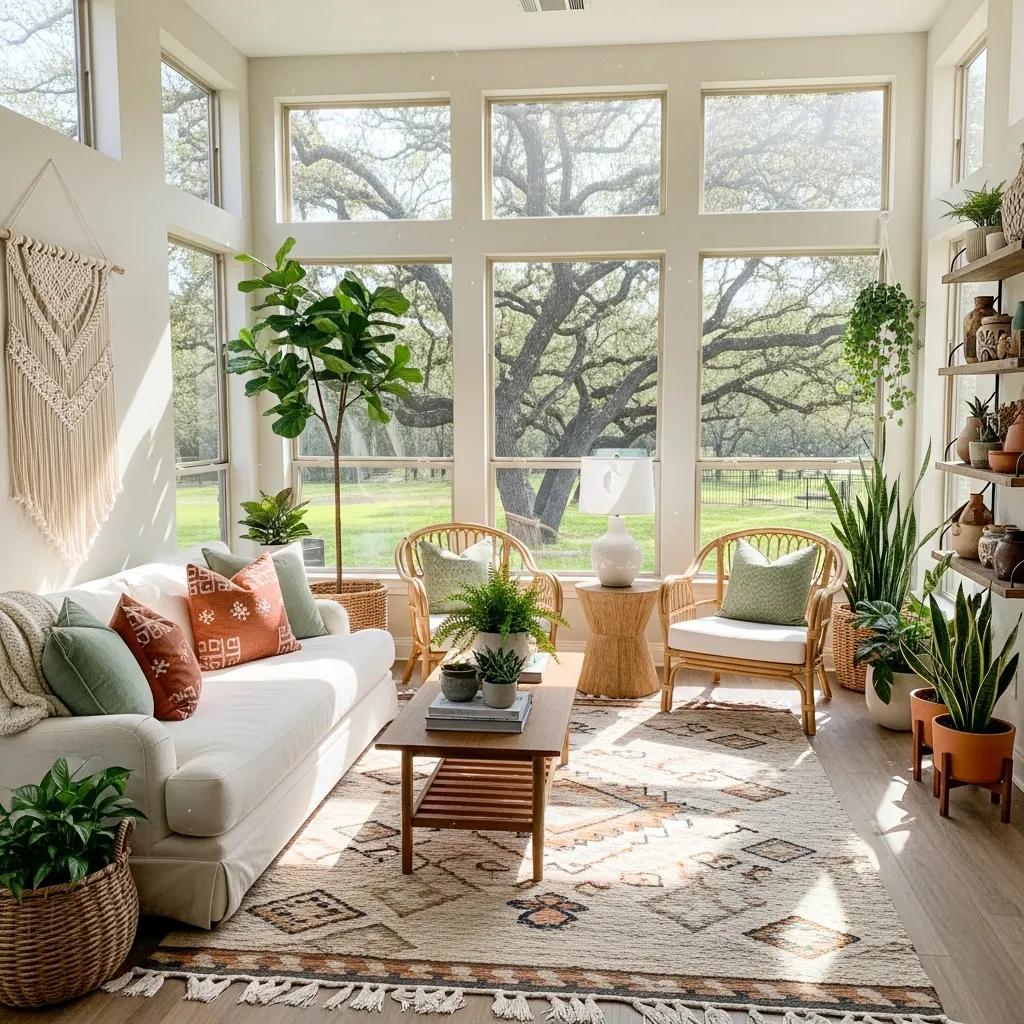
How Much Does a Sunroom Cost in Texas? 2026 Pricing Guide
How Much Does a Sunroom Cost in Texas? 2026 Pricing Guide for Homeowners

Sunrooms are a popular addition for Texas homeowners looking to enhance their outdoor living experience. These versatile spaces can serve as a relaxing retreat, a play area for children, or even a home office. However, understanding the costs associated with sunroom installation is crucial for making informed decisions. In this guide, we will explore the average costs of sunroom installations in Texas for 2026, the factors that influence these costs, and how different types of sunrooms can affect your budget. Additionally, we will compare sunrooms to screened porches, discuss financing and permitting requirements, and provide maintenance tips to ensure energy efficiency and longevity.
What Is the Average Cost of Sunroom Installation in Texas?
The average cost of sunroom installation in Texas varies significantly based on several factors, including size, materials, and design. Generally, homeowners can expect to pay between $20,000 and $60,000 for a custom sunroom. This price range reflects the diversity of options available, from basic models to more elaborate designs with high-end finishes.
Which Factors Influence Sunroom Pricing in Texas?
Several key factors can influence the pricing of sunroom installations in Texas:
- Size of the Sunroom: Larger sunrooms require more materials and labor, increasing overall costs.
- Material Choices: The type of materials used, such as glass, wood, or aluminum, can significantly affect the price.
- Local Building Codes: Compliance with local regulations may necessitate additional expenses for permits and inspections.
Understanding these factors can help homeowners budget effectively for their sunroom projects.
How Do Sunroom Types Affect Installation Costs?

Different types of sunrooms come with varying costs due to their unique features and construction requirements. Here’s a breakdown of common sunroom types:
- Screen Rooms: Typically the most affordable option, screen rooms can cost between $5,000 and $20,000. They provide a basic outdoor experience without the insulation of a full sunroom.
- 3 Season Rooms: These rooms are designed for use in spring, summer, and fall, costing between $20,000 and $35,000. They offer more insulation than screen rooms but are not suitable for winter use.
- 4 Season Rooms: The most expensive option, 4 season rooms, can range from $30,000 to $60,000. They are fully insulated and can be used year-round, making them a valuable investment for homeowners.
How Does the Cost to Build a Screened Porch Compare to a Sunroom in Texas?
When considering outdoor living spaces, many homeowners wonder how the costs of screened porches compare to sunrooms.
What Are the Material and Labor Differences Between Screened Porches and Sunrooms?
Screened porches generally have lower material and labor costs compared to sunrooms. The primary materials for screened porches include wood and screens, while sunrooms often require more complex structures with insulated glass and framing. This difference in materials can lead to a cost disparity of $10,000 to $25,000, depending on the design and features.
Which Option Offers Better Value for Texas Outdoor Living Spaces?
Choosing between a screened porch and a sunroom ultimately depends on the homeowner's needs and budget. Screened porches offer a more economical solution for those seeking a simple outdoor space, while sunrooms provide a more versatile and comfortable environment for year-round use. Financing options, such as loans or payment plans, can also influence the decision, making sunrooms more accessible for some homeowners.
What Financing and Permitting Requirements Affect Sunroom Projects in Texas?
Financing and permitting are critical aspects of planning a sunroom project. Understanding these requirements can help streamline the process and avoid unexpected costs.
What Permits Are Needed for Sunroom Construction in Texas?
In Texas, homeowners typically need to obtain a building permit before constructing a sunroom. This process may involve submitting plans to local authorities and ensuring compliance with zoning regulations. Some cities or municipalities may have specific requirements or additional permits related to sunroom construction.
Understanding the legal framework around construction, including permits and zoning, is crucial for any sunroom project in Texas.
Texas Building Permits & Zoning for Sunrooms
Part II examines building permits, variances, and zoning board with the applicable regulations and issue a permit.14 The
Opps-It Turns out You Shouldn't Have Built That There: Erroneously Issued Building Permits in Texas, 2007
What Financing Options Are Available for Sunroom Additions?

Homeowners have several financing options for sunroom additions, including:
- Home Equity Loans: These loans allow homeowners to borrow against the equity in their homes, often at lower interest rates.
- Personal Loans: Unsecured personal loans can provide quick funding for smaller projects.
- Zero Interest Financing: Some companies offer promotional financing options that allow homeowners to pay for their sunroom over time without accruing interest.
These options can make it easier for homeowners to invest in their outdoor living spaces.
How Can Texas Homeowners Maintain Energy Efficiency and Longevity of Sunrooms?
Maintaining energy efficiency and ensuring the longevity of sunrooms is essential for maximizing their value.
What Are the Best Materials for Energy-Efficient Sunrooms in Texas?
When selecting materials for a sunroom, homeowners should consider energy-efficient options such as double-pane insulated glass and low-E coatings. These materials help regulate temperature and reduce energy costs, making the sunroom more comfortable year-round.
Research further supports the effectiveness of advanced glazing technologies in improving sunroom performance and energy conservation.
Sunroom Glazing & Insulation for Cost & Performance
sunrooms of identical shape and size, using Low-e glazing and ordinary glass, respectively, to test their insulation performance and energy-saving potential. The results indicate that Low-e glazing significantly improves the thermal performance of sunrooms compared to ordinary glass, contributing to building energy conservation.
… in Hot-Summer–Cold-Winter Climate Zones—Experimental and Numerical Simulation Study Based on the High-Performance Sunroom Laboratory in Central …, 2025
How Should Sunrooms Be Maintained to Ensure Durability?
Regular maintenance is crucial for the longevity of sunrooms. Homeowners should:
- Inspect Seals: Regularly check and replace seals around windows and doors to prevent air leaks.
- Clean Glass Surfaces: Keep glass surfaces clean to maximize natural light and maintain aesthetics.
- Check for Damage: Periodically inspect the structure for any signs of wear or damage, addressing issues promptly to avoid costly repairs.
By following these maintenance tips, homeowners can enjoy their sunrooms for many years to come.